
Laundry Mildew Removal Kitchen Guide Part 1
Introduction
Mildew in your kitchen can be a frustrating problem, especially when it lurks in hidden corners or clings to damp spots. It not only affects the hygiene of your space but can also lead to unpleasant odors and potential health risks. This guide will help you understand the causes of mildew in the kitchen, how to effectively remove it, and how to prevent it from returning.
What Causes Kitchen Mildew?
Mildew thrives in damp, warm environments, making the kitchen an ideal breeding ground. Some common causes include:
- High humidity: Cooking and dishwashing create moisture in the air.
- Poor ventilation: Lack of airflow traps humidity.
- Spills and stains: Food and liquid spills that aren’t cleaned promptly can become breeding grounds.
- Leaky pipes or appliances: Water leaks can create hidden damp areas.
- Dirty dishcloths and sponges: These can harbor mildew if not cleaned regularly.
- Condensation: When warm air meets cold surfaces, condensation forms, providing moisture for mildew.
- Organic matter: Food particles left on surfaces give mildew a food source.
- Darkness: Mold spores prefer dark environments, making cabinets and under-sink areas prime targets for growth.
- Infrequent cleaning: Regular cleaning routines may overlook specific areas, allowing mildew to develop unnoticed.
- White vinegar or hydrogen peroxide
- Baking soda
- Spray bottles
- Soft cloths or sponges
- Scrub brush
- Gloves (optional)
- Bucket
- Not addressing the root cause: Simply cleaning the surface won’t solve the problem if the underlying moisture issue is not addressed.
- Using bleach indiscriminately: While bleach can kill mildew, it can also cause discoloration and may not penetrate porous surfaces effectively.
- Neglecting ventilation: Cleaning without improving ventilation won’t prevent mildew from returning. Ensure airflow is maintained.
- Ignoring hidden areas: Mildew often thrives in dark, unnoticeable spots. Don’t forget to check behind appliances and inside cabinets.
- Improve ventilation: Open windows and use exhaust fans while cooking to reduce humidity.
- Clean regularly: Establish a cleaning routine, focusing on damp areas like sinks and countertops.
- Fix leaks promptly: Address any leaks in pipes or appliances immediately to prevent moisture buildup.
- Use moisture absorbers: Consider using silica gel packs or dehumidifiers in areas prone to dampness.
- Store food properly: Keep food sealed and stored in the refrigerator to prevent spills and odors that can attract mildew.
Recognizing these causes is crucial for effective prevention and removal.
Why This Problem Happens
Understanding why mildew grows is the first step in tackling it effectively. Here are some reasons this problem is prevalent in kitchens:
By identifying these factors, you can take intentional steps to combat mildew growth.
How to Fix Kitchen Mildew (Step-by-Step)
Removing mildew from your kitchen requires a systematic approach. Follow these steps to effectively eliminate it:
Step 1: Gather Supplies
You will need:
Step 2: Identify Affected Areas
Inspect your kitchen thoroughly. Look under the sink, behind appliances, and in cabinets. Pay attention to damp spots and areas with visible mildew.
Step 3: Prepare Cleaning Solution
For a natural cleaning solution, mix equal parts of water and white vinegar in a spray bottle. Alternatively, you can use hydrogen peroxide, which is effective against mold.
Step 4: Apply the Solution
Spray the affected areas generously with your cleaning solution. Allow it to sit for at least 10-15 minutes to penetrate the mildew.
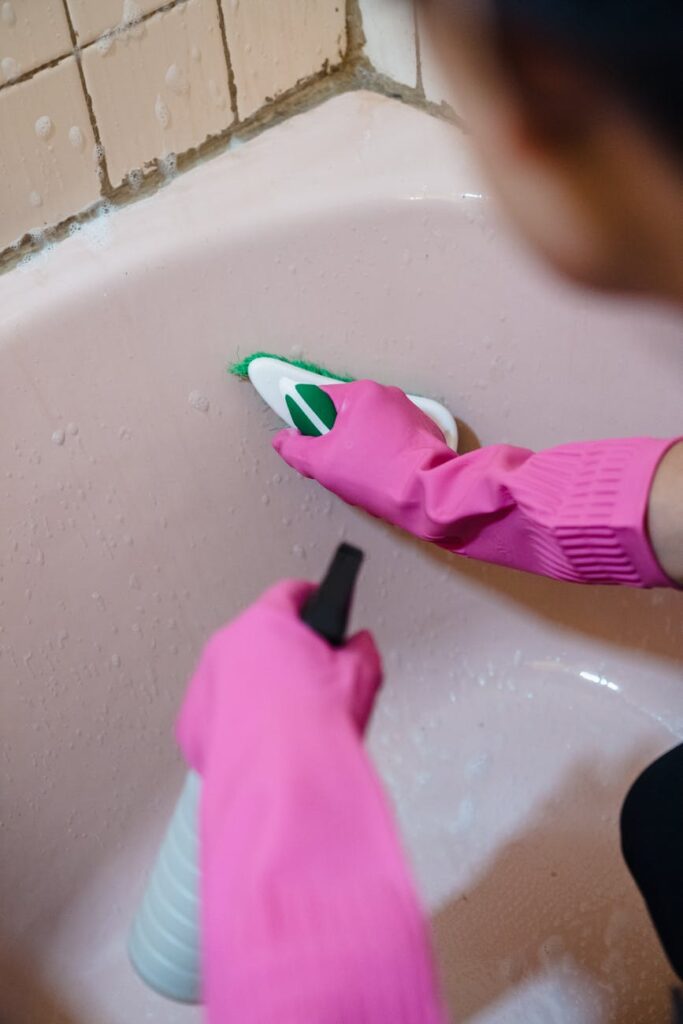
Step 5: Scrub the Mold
Using a soft cloth or sponge, scrub the affected areas. For stubborn spots, a scrub brush may be necessary. Rinse the sponge frequently to avoid spreading mildew.
Step 6: Rinse and Dry
After scrubbing, rinse the area with clean water to remove any cleaning solution and mildew residue. Dry the area thoroughly to prevent future growth.
Step 7: Dispose of Contaminated Items
If you find mildew on dishcloths or sponges, wash them in hot water or replace them. Contaminated items can spread mildew back into your clean kitchen.
Best Cleaning Methods
Different cleaning methods can be effective depending on the severity of the mildew. Here are some options:
1. White Vinegar
White vinegar is a natural disinfectant and mildew killer. It can be sprayed directly onto affected surfaces and left to work for a few hours before rinsing.
2. Hydrogen Peroxide
Hydrogen peroxide is a powerful mold remover. Apply it to the affected area and let it sit for at least 10 minutes before scrubbing.
3. Baking Soda Paste
For stubborn mildew, create a paste with baking soda and water. Apply it to the area, scrub gently, and rinse.
4. Commercial Mold Cleaners
If natural methods fail, consider using commercial mold cleaners. Always follow the instructions on the label and ensure proper ventilation.
Common Mistakes to Avoid
When dealing with mildew, it’s easy to make mistakes that hinder your cleaning efforts. Here are some common pitfalls to avoid:
Prevention Tips
Preventing mildew from returning is just as important as cleaning it. Here are some effective prevention strategies:
Frequently Asked Questions
1. How can I tell if I have mildew or mold?
Mildew appears as a flat, powdery growth, usually gray or white, while mold can be fuzzy and comes in a variety of colors. Both have a musty odor.
2. Can I use bleach to remove mildew?
While bleach can kill mildew, it may not penetrate porous surfaces effectively. It’s best used on non-porous surfaces and should be diluted properly.
3. How often should I clean my kitchen to prevent mildew?
A bi-weekly cleaning routine is recommended, but high-humidity areas should be checked and cleaned more frequently.
4. What are the safety precautions when using cleaning agents?
Always wear gloves and ensure proper ventilation when using cleaning agents. Avoid mixing different cleaners, as this can create harmful fumes.
5. Can mildew cause health issues?
While not all mildew is harmful, prolonged exposure can lead to respiratory issues or allergic reactions in sensitive individuals.
6. What can I do if mildew keeps returning?
If mildew persists, consider consulting a professional to assess underlying moisture issues or structural problems.
By following this guide, you can effectively tackle mildew in your kitchen and keep it at bay for a cleaner, healthier home. Stay proactive with your cleaning routine and make necessary adjustments to prevent future growth.