
Laundry Mildew Removal Bathroom Guide Part 1
Introduction
Mildew in the bathroom is a common issue that can lead to unpleasant odors and unsightly stains. This guide focuses on effective strategies for removing mildew from your bathroom and preventing its return. By addressing the root causes and implementing proper maintenance, you can keep your bathroom fresh and clean.
What Causes Bathroom Mildew?
Mildew thrives in warm, damp environments, making bathrooms an ideal breeding ground. Common causes of bathroom mildew include:
- High humidity levels: Showers and baths create steam, increasing moisture in the air.
- Poor ventilation: Lack of airflow traps humidity, allowing mildew to flourish.
- Leaky pipes: Water leaks contribute to moisture accumulation.
- Infrequent cleaning: Regular cleaning prevents mildew buildup.
- Towels and bath mats remain damp: Items left wet provide perfect conditions for mildew.
- Bathroom surfaces are not cleaned regularly: Dust and soap scum can provide nutrients for mildew growth.
- Temperature fluctuations: Warmer temperatures can accelerate mildew growth.
- Rubber gloves
- Scrub brush or sponge
- Bucket
- Spray bottles
- Cleaning agents (vinegar, baking soda, bleach, or commercial mildew removers)
- Old towels or rags
- Clear surfaces: Remove all items from counters, shelves, and the shower area.
- Ventilate: Open windows and turn on exhaust fans to improve airflow.
- Vinegar Solution: Fill a spray bottle with undiluted white vinegar. Spray directly onto the affected areas and let it sit for at least 30 minutes.
- Baking Soda Paste: For stubborn areas, mix baking soda with water to form a paste. Apply this to the mildew spots and allow it to sit for 15-20 minutes.
- Rinse the surfaces with warm water to remove any residue.
- Dry thoroughly with a towel or allow to air dry. Ensure that no moisture remains.
Understanding these causes is the first step in effective mildew removal.
Why This Problem Happens
Mildew is a type of fungus that spreads quickly under the right conditions. When moisture accumulates in a bathroom due to high humidity or poor ventilation, mildew spores settle and begin to grow. This problem exacerbates when:
Identifying these factors can help you tackle the issue more effectively.
How to Fix Bathroom Mildew (Step-by-Step)
Step 1: Gather Your Supplies
Before you start, gather the necessary cleaning supplies:
Step 2: Prepare the Area
Step 3: Apply Cleaning Solution
Step 4: Scrub the Surfaces
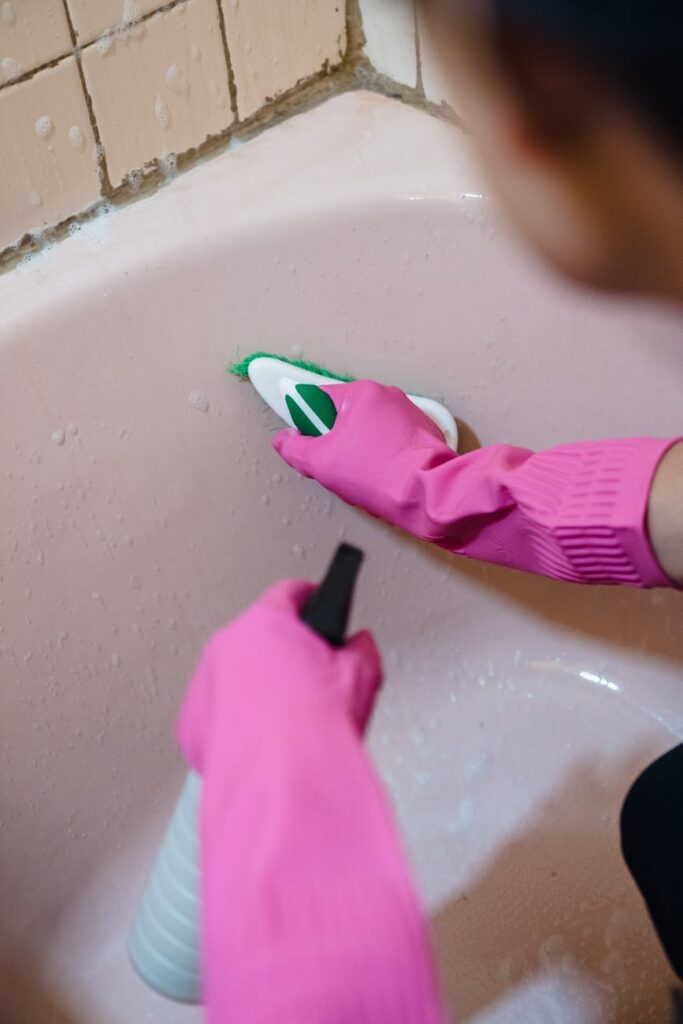
Using a scrub brush or sponge, scrub the affected areas in circular motions. Pay extra attention to corners, grout lines, and behind fixtures where mildew tends to hide.
Step 5: Rinse and Dry
Step 6: Reorganize and Maintain
Once everything is clean and dry, replace items on the counters and shelves. Consider placing towels and bath mats in a dryer after use to keep them dry.
Best Cleaning Methods
1. Vinegar
Vinegar is a natural, non-toxic cleaner that effectively kills mildew. Its acidity breaks down the spores, making it easier to scrub away.
2. Baking Soda
Baking soda not only removes mildew but also helps absorb odors. It’s an excellent option for those sensitive to harsh chemicals.
3. Bleach
While effective, bleach should be used with caution. It can discolor surfaces and release harmful fumes. If you choose this method, ensure proper ventilation and wear protective gear.
4. Commercial Mildew Removers
These products are specifically designed to combat mildew and can be effective for severe infestations. Always follow label instructions for safe use.
Common Mistakes to Avoid
1. Ignoring ventilation: Always ensure proper airflow in the bathroom to prevent moisture buildup.
2. Neglecting regular cleaning: Make a habit of cleaning your bathroom weekly to keep mildew at bay.
3. Using too much water: Excessive water during cleaning can contribute to mildew growth. Use damp cloths instead of soaking surfaces.
4. Not wearing protective gear: When using strong chemicals, gloves and masks are essential to protect your health.
5. Overlooking hidden areas: Don’t forget to check behind toilets, under sinks, and in corners where mildew can hide.
Prevention Tips
1. Install an Exhaust Fan: This helps reduce moisture by improving ventilation during and after showers.
2. Use a Squeegee: After showering, use a squeegee on glass doors and tiles to remove excess water.
3. Keep Towels Dry: Hang towels to dry properly after use, and wash them regularly.
4. Maintain Low Humidity: Use a dehumidifier if your bathroom is consistently moist.
5. Seal Grout Lines: Apply grout sealer to prevent moisture from penetrating and creating a breeding ground for mildew.
Frequently Asked Questions
1. How often should I clean my bathroom to prevent mildew?
Aim for weekly cleanings to keep mildew at bay. Pay extra attention to high-moisture areas.
2. Can I use vinegar and baking soda together?
Yes, but be cautious. Mixing them creates carbon dioxide and can reduce their effectiveness. Use them separately for best results.
3. How do I remove mildew from shower curtains?
Wash fabric curtains in hot water with detergent and white vinegar. For plastic curtains, scrub with a vinegar solution and rinse thoroughly.
4. Is bleach safe for all surfaces?
No, bleach can damage certain materials like fabrics, wood, and some tiles. Always test on a small area first.
5. What should I do if mildew keeps returning?
Check for hidden leaks, improve ventilation, and consider using a dehumidifier to maintain lower humidity levels.
6. Can I prevent mildew without harsh chemicals?
Absolutely! Vinegar, baking soda, and regular cleaning are effective natural methods for preventing mildew without harsh chemicals.
By following this guide, you can tackle mildew in your bathroom effectively and keep your space clean and healthy. Stay proactive with maintenance, and you’ll enjoy a fresher bathroom environment.