
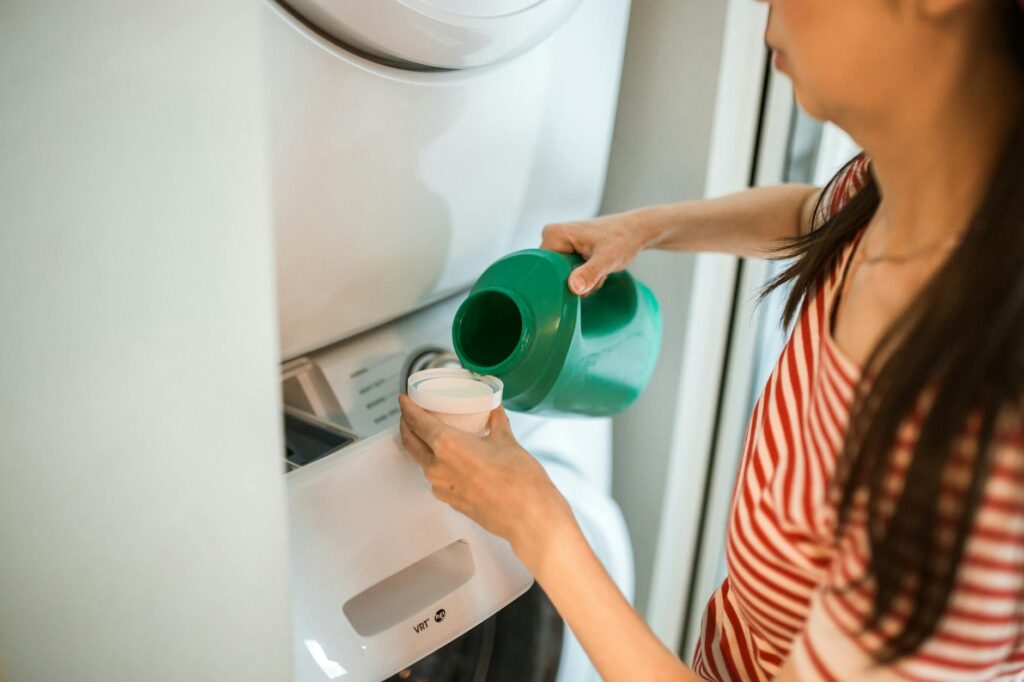
Laundry Detergent Stains Odours Guide Part 2
Introduction
Laundry detergent odours can be a frustrating issue for many homeowners. Even after washing, clothes can sometimes carry an unpleasant scent, undermining the freshness we expect from our laundry. This guide aims to help you understand what causes these odours, why they occur, and how to effectively eliminate them.
What Causes Odours?
Odours in laundry can arise from various sources, including:
- Residual Detergent: If too much detergent is used, it can build up in the fabric and create a musty smell.
- Bacteria and Mold: Damp clothes left in the washing machine can encourage bacterial growth, leading to unpleasant smells.
- Improper Rinsing: Insufficient rinsing can leave detergent residues that not only smell but can also irritate the skin.
- Old or Contaminated Detergent: Expired or improperly stored detergent can lose its effectiveness and develop an odour itself.
- Washing Machine Issues: A dirty washing machine can harbor mildew and bacteria, which may transfer to your laundry.
- Check if the smell is coming from the clothes, the washing machine, or the detergent itself.
- Run the affected garments through an extra rinse cycle to remove any detergent residue.
- Mix one cup of white vinegar with your laundry during the rinse cycle. Vinegar acts as a natural deodorizer and helps break down detergent residue.
- Add half a cup of baking soda to your laundry. This can neutralize odours and enhance cleaning power.
- Ensure clothes are dried completely before storing them. Use a dryer or hang them outside in fresh air.
- Run an empty cycle with hot water and a cup of vinegar. This helps to eliminate mildew and bacteria buildup.
- For heavily soiled or odorous items, washing in hot water can help dissolve detergent more effectively.
- Use enzyme-based laundry detergents that target specific stains and odours, breaking them down at a molecular level.
- For whites and colorfast fabrics, oxygen bleach can help remove stubborn stains and odours without damaging the fabric.
- Adding a few drops of essential oils like lavender or tea tree oil to your wash can provide a pleasant scent while also offering antibacterial properties.
- Use the Right Amount of Detergent: Measure carefully according to the load size.
- Wash Regularly: Regular laundry prevents a buildup of dirt and odours.
- Air Dry When Possible: Whenever you can, hang clothes outside to dry, allowing fresh air to circulate.
- Keep the Washing Machine Dry: Leave the washing machine door open after use to help it dry out.
- Use Fabric Softener Wisely: While fabric softeners can add a pleasant scent, avoid overusing them as they can contribute to build-up.
Why This Problem Happens
Understanding the root cause of odours can help in preventing them. Some common reasons include:
1. Overloading the Washer: When the washing machine is overloaded, it can prevent proper cleaning and rinsing.
2. Cold Water Washing: While cold water is energy-efficient, it may not effectively dissolve all types of detergent or remove odours.
3. Leaving Clothes Damp: Leaving wet clothes in the washing machine for too long can create a breeding ground for bacteria.
4. Improper Storage: Storing laundry detergent in humid areas can lead to clumping and odours.
How to Fix Odours (Step-by-Step)
Here’s a practical guide to eliminating odours from your laundry:
Step 1: Identify the Source
Step 2: Rinse Clothes Thoroughly
Step 3: Use a Vinegar Solution
Step 4: Wash with Baking Soda
Step 5: Dry Clothes Properly
Step 6: Clean Your Washing Machine
Best Cleaning Methods
Here are some effective methods to tackle laundry detergent odours:
1. Hot Water Wash
2. Enzyme Cleaners
3. Oxygen Bleach
4. Essential Oils
Common Mistakes to Avoid
To prevent laundry odour issues, avoid these common mistakes:
1. Overusing Detergent: Follow the manufacturer’s guidelines for the correct amount of detergent.
2. Ignoring Machine Maintenance: Regularly clean your washing machine to remove residues that can lead to smells.
3. Leaving Wet Clothes: Always remove clothes promptly after the wash cycle to prevent mildew.
4. Not Storing Detergent Properly: Keep laundry detergent in a cool, dry place away from humidity.
5. Using Expired Detergent: Check the expiration date and discard any old or clumpy detergents.
Prevention Tips
Here are some practical tips to keep laundry odours at bay:
Frequently Asked Questions
1. Why does my laundry smell worse after washing?
This can happen due to excess detergent, bacteria growth, or not rinsing thoroughly.
2. Can I use vinegar and baking soda together?
Yes, but avoid mixing them directly in the wash. Instead, use vinegar in the rinse cycle and baking soda in the wash.
3. How often should I clean my washing machine?
Aim to clean your washing machine at least once a month, especially if you wash a lot of heavily soiled items.
4. Is it safe to wash clothes in hot water?
Check the care labels on your garments. Most cottons and linens can handle hot water, but delicate fabrics should be washed in cold or warm water.
5. How can I tell if my detergent is expired?
If your detergent has clumps, a strange smell, or has been stored improperly for a long time, it may be expired.
6. What should I do if the smell persists?
If odours persist after trying these methods, consider consulting a professional cleaner for a deeper clean or checking for issues with your washing machine.
By following these practical steps and tips, you can effectively manage laundry detergent odours and enjoy fresh, clean clothes every time.