
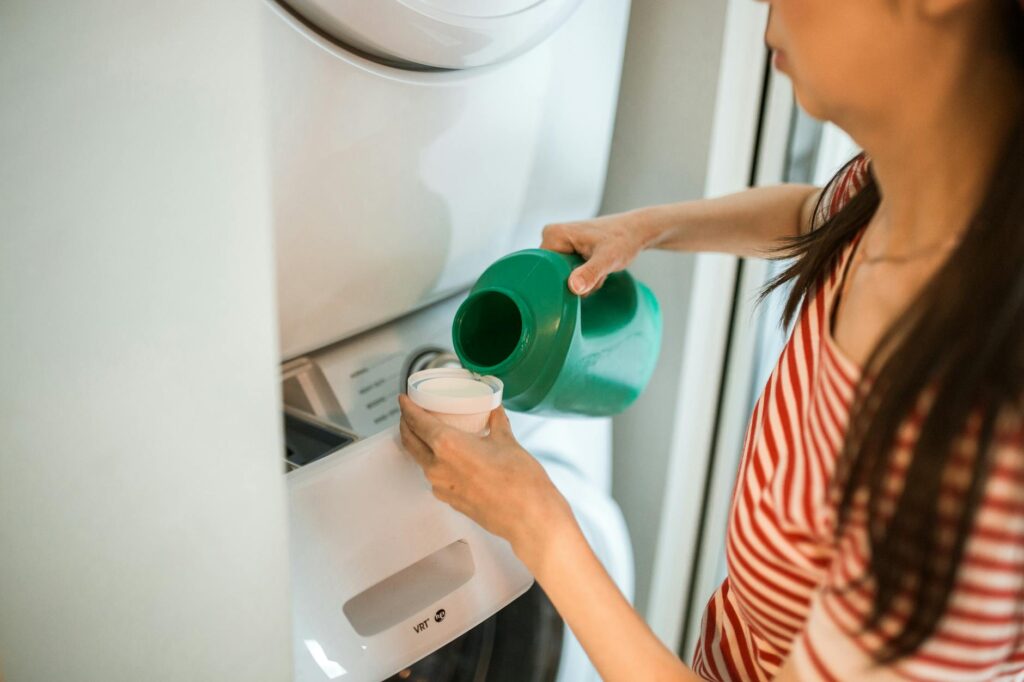
Laundry Detergent Stains Bathroom Guide Part 1
Introduction
Laundry detergent stains can be an eyesore in your bathroom, affecting both the aesthetics and cleanliness of the space. Whether they’ve splashed onto your countertops, tub, or flooring, these stains can be tricky to remove. This guide will equip you with practical solutions to tackle laundry detergent stains effectively, ensuring your bathroom remains spotless.
What Causes Bathroom Stains?
Laundry detergent stains in the bathroom typically occur when detergent residues come into contact with surfaces. This can happen in several ways:
1. Overuse of Detergent: Using too much detergent during laundry can lead to excess suds that may drip or splash onto surfaces when transferring clothes.
2. Spills During Transfer: Moving clothes from the washer to the dryer can result in accidental spills, especially if the detergent is not securely closed.
3. Water and Detergent Mixture: If detergent is mixed with water in a cleaning solution and not rinsed thoroughly, it can leave behind stains.
Why This Problem Happens
Understanding why laundry detergent stains occur helps in preventing them. Here are some common reasons:
- Chemical Composition: Many laundry detergents contain brighteners and surfactants that can leave a residue when not rinsed off properly.
- Surface Material: Certain materials, like porous tiles or unfinished wood, are more prone to absorbing stains.
- Hard Water: Mineral deposits in hard water can interact with detergents, leading to more noticeable stains.
- Warm water
- Soft cloths or sponges
- Mild dish soap
- White vinegar
- Baking soda
- Spray bottle
- Old toothbrush (for scrubbing)
How to Fix Bathroom Stains (Step-by-Step)
Step 1: Gather Your Supplies
You’ll need:
Step 2: Identify the Surface
Determine what surface the stain is on (tile, tub, sink, etc.). This will help you choose the appropriate cleaning method.
Step 3: Create a Cleaning Solution
For most surfaces, mix one part vinegar with one part water in a spray bottle. For stubborn stains, create a paste using baking soda and water.
Step 4: Apply the Solution
Spray the vinegar solution onto the stained area and let it sit for 5–10 minutes. For the baking soda paste, apply it directly onto the stain.
Step 5: Scrub the Stain
Using a soft cloth or sponge, gently scrub the stained area. For tough stains, an old toothbrush can help get into crevices.
Step 6: Rinse Thoroughly
After scrubbing, rinse the area with warm water to remove any remaining cleaning solution and detergent residue.
Step 7: Dry the Surface
Use a clean towel to dry the area completely. This prevents new stains from forming.
Best Cleaning Methods
Vinegar and Baking Soda
This combination is effective for breaking down detergent stains. The acidity of vinegar helps dissolve residues, while baking soda acts as a gentle abrasive.
Dish Soap Solution
Mix a few drops of mild dish soap with warm water. This solution can lift detergent stains without damaging most surfaces.
Commercial Cleaners
If home remedies don’t work, consider using a commercial stain remover that is safe for your specific bathroom surface. Always follow the manufacturer’s instructions.
Common Mistakes to Avoid
1. Using Too Much Cleaner: More is not always better. Excessive cleaner can leave behind residues that may cause more stains.
2. Not Rinsing Properly: Failing to rinse off cleaning solutions can lead to further staining.
3. Scrubbing Too Hard: Aggressive scrubbing can damage surfaces, especially delicate tiles or finishes.
4. Ignoring Maintenance: Regular cleaning can prevent the buildup of detergent residue, making stains easier to manage.
Prevention Tips
1. Measure Detergent: Use the recommended amount of detergent to minimize spills and residues.
2. Close Detergent Containers: Ensure that detergent bottles are tightly sealed to avoid accidental spills.
3. Wipe Spills Immediately: Address accidents right away to prevent stains from setting.
4. Regular Cleaning: Incorporate routine cleaning of your bathroom surfaces to avoid buildup.
Frequently Asked Questions
1. Can I use bleach to remove detergent stains?
Bleach can be effective for some stains, but it may discolor certain surfaces. Always test in an inconspicuous area first.
2. How can I tell if the stain is from detergent?
If the stain feels slippery or has a shiny appearance, it’s likely from detergent. Other stains usually have different textures.
3. Are there specific detergents that cause more stains?
Some liquid detergents with brighteners are more prone to leaving residues. Check the label for surfactants and brightening agents.
4. How often should I clean my bathroom to prevent stains?
Cleaning once a week is ideal, but high-traffic areas may require more frequent attention.
5. What should I do if the stain is still visible after cleaning?
If stains persist, consider using a stronger commercial cleaner or consulting a professional cleaning service for guidance.
6. Can laundry detergent stains cause any damage?
While they don’t typically cause structural damage, the residue can lead to long-term discoloration or deterioration of certain surfaces.
By following these guidelines, you can effectively manage and remove laundry detergent stains in your bathroom, keeping it clean and welcoming. In Part 2 of this guide, we will explore additional cleaning techniques and maintenance tips. Stay tuned!