
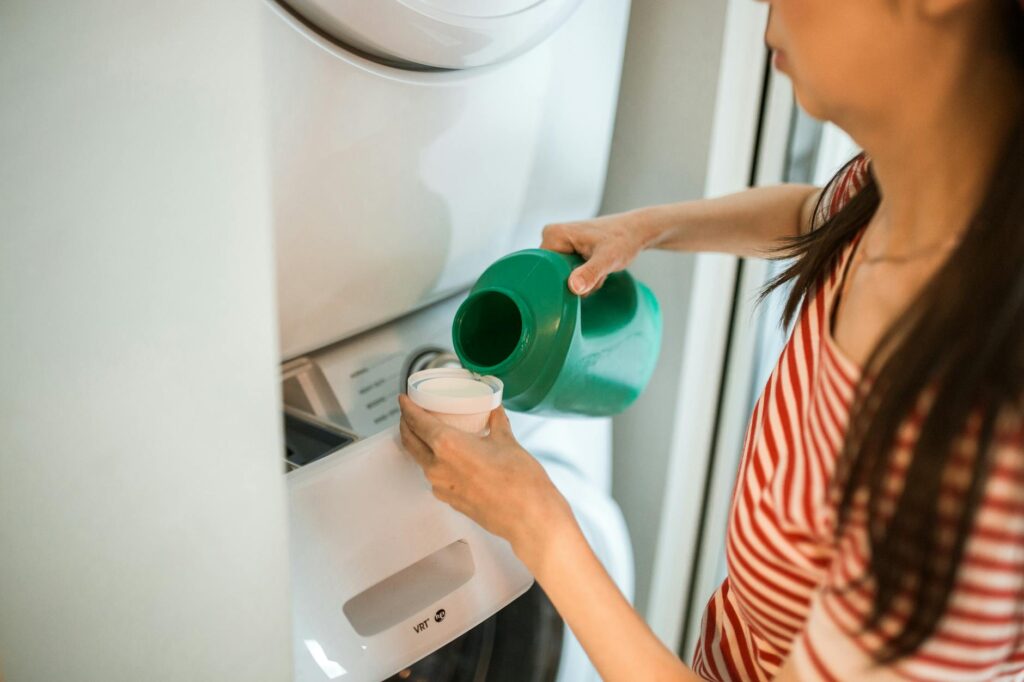
Laundry Detergent Stains Appliances Guide Part 1
Introduction
Laundry detergent stains can be a nuisance, especially when they affect your appliances. From washing machines to dryers, these stains can not only ruin the look of your appliances but also impact their performance. In this guide, we’ll cover what causes these stains, why they happen, and how to fix them. We’ll also share the best cleaning methods, common mistakes to avoid, and tips to prevent future stains.
What Causes Appliances?
Laundry detergent stains on appliances are primarily caused by residue build-up. This can occur in several ways:
1. Overuse of Detergent: Using too much detergent can lead to excess suds, which may not rinse away completely.
2. Hard Water: Minerals in hard water can react with detergent, leaving behind a sticky residue.
3. Mold and Mildew: Damp environments can promote mold growth, which can mix with detergent residue.
4. Spills: Accidental spills during laundry can also lead to visible stains.
5. Old Detergent: Using expired or old detergent can result in ineffective cleaning and subsequent stains.
Understanding these causes is the first step in addressing the problem effectively.
Why This Problem Happens
Laundry detergent stains occur when residues build up over time. These residues can cling to the surfaces of your appliances, becoming particularly noticeable on stainless steel and other shiny finishes. Over time, this build-up can be exacerbated by environmental factors, such as humidity and temperature variations, which can lead to mold and mildew growth.
Additionally, the type of detergent used plays a significant role. Some detergents contain additives that may leave behind sticky residues when not rinsed thoroughly. Knowing the underlying reasons helps in taking proactive measures.
How to Fix Appliances (Step-by-Step)
To effectively remove laundry detergent stains from your appliances, follow these steps:
Step 1: Gather Your Supplies
You will need:
- White vinegar
- Baking soda
- Microfiber cloths
- Soft-bristle brush
- Warm water
- A spray bottle
Step 2: Prepare a Cleaning Solution
Mix equal parts of white vinegar and warm water in a spray bottle. This solution will help break down the detergent residue.
Step 3: Spray and Let Sit
Spray the affected areas of your appliance with the vinegar solution. Allow it to sit for about 5-10 minutes. This will help loosen the stains.
Step 4: Scrub Gently
Using a soft-bristle brush or a microfiber cloth, gently scrub the stained areas. Avoid using abrasive pads, as they can scratch the surface.
Step 5: Rinse
Dampen a clean cloth with warm water and wipe down the areas you cleaned. Make sure to remove any remaining cleaning solution.
Step 6: Dry the Surface
Use a dry microfiber cloth to wipe off excess moisture and buff the surface. This will help prevent future stains.
Step 7: Inspect
Check for any remaining stains. If necessary, repeat the cleaning process until the stains are completely gone.
Best Cleaning Methods
While the vinegar solution is effective, there are other methods you can employ:
Baking Soda Paste
1. Mix baking soda with a small amount of water to create a paste.
2. Apply it to the stained areas and let it sit for 15 minutes.
3. Scrub gently and rinse with water.
Commercial Cleaners
For stubborn stains, consider using a commercial stainless steel cleaner. Follow the manufacturer’s instructions for the best results.
Steam Cleaning
If your appliance is safe for steam cleaning, this method can be effective in removing residues without chemicals.
Common Mistakes to Avoid
Avoid these common pitfalls when cleaning your appliances:
1. Using Harsh Chemicals: Avoid bleach or ammonia-based cleaners, as they can damage surfaces.
2. Neglecting Regular Maintenance: Regular cleaning prevents build-up, so don’t wait until stains are visible.
3. Not Testing Products: Always test any cleaning product on a small, inconspicuous area first.
4. Ignoring User Manuals: Check your appliance’s manual for specific cleaning recommendations.
5. Using Excessive Water: Too much water can lead to mold growth if it seeps into the appliance’s interior.
Prevention Tips
To minimize the risk of laundry detergent stains, consider these preventive measures:
1. Use the Right Amount of Detergent: Follow the manufacturer’s guidelines for detergent use. Less is often more.
2. Switch to High-Efficiency Detergent: If you have a high-efficiency washer, use HE detergent to reduce residue.
3. Check Water Hardness: If you have hard water, consider installing a water softener to reduce mineral build-up.
4. Keep Appliances Dry: Wipe down the surfaces of your appliances after each use to prevent moisture build-up.
5. Regular Cleaning Schedule: Establish a routine cleaning schedule to keep appliances in good condition.
Frequently Asked Questions
1. Can I use bleach to clean laundry detergent stains?
No, bleach can damage the surfaces of your appliances and is not recommended for cleaning.
2. How often should I clean my appliances?
Aim to clean your appliances every month to prevent build-up and maintain their appearance.
3. What type of cloth is best for cleaning?
Microfiber cloths are ideal as they are soft and effective at trapping dust and residues.
4. Can I use vinegar on all appliance surfaces?
Always check the manufacturer’s guidelines. While vinegar is generally safe, some finishes may react negatively.
5. What if the stains don’t come off?
For stubborn stains, consider using a commercial cleaner specifically designed for your appliance type.
6. Is it necessary to unplug the appliance before cleaning?
While not always necessary, unplugging the appliance can be a good safety precaution, especially if you are using water.
Cleaning laundry detergent stains from appliances doesn’t have to be a daunting task. With the right approach and regular maintenance, you can keep your appliances looking their best. Stay tuned for Part 2, where we’ll dive deeper into specific appliance types and their unique cleaning needs.