
Laundry Detergent Smell Appliances Guide Part 2
Introduction
Laundry appliances like washers and dryers can sometimes retain a lingering smell of laundry detergent. This can be frustrating, especially when you expect fresh, clean clothes. In this guide, we will explore the causes of this problem, how to fix it, and tips for prevention. Let’s get started.
What Causes Appliances?
The smell of laundry detergent in your appliances can arise from several sources:
1. Residual Detergent: Excess detergent can build up in the machine, leading to a strong scent.
2. Mold and Mildew: Moist environments can lead to mold growth, which can produce unpleasant odors.
3. Dirty Filters: Lint and debris in filters can trap smells and reduce airflow.
4. Improper Ventilation: Poor airflow in the laundry area can intensify odors.
5. Water Stagnation: Water left in hoses or drums can lead to musty smells.
Understanding these causes can help you tackle the problem effectively.
Why This Problem Happens
Laundry detergents are formulated with strong fragrances to leave clothes smelling fresh. However, when these products are not rinsed out properly, or when they accumulate in the machine, the smell can become overpowering. Additionally, moisture can create a breeding ground for bacteria and mold, which can lead to unpleasant odors.
How to Fix Appliances (Step-by-Step)
Step 1: Empty the Machine
Start by removing all clothing and items from your washer and dryer. This allows you to thoroughly clean every part of the appliance.
Step 2: Clean the Drum
- Washer: Use a mixture of water and vinegar (1 cup of vinegar per cycle) and run a hot cycle. This helps to break down detergent residue and eliminate odors.
- Dryer: Wipe down the drum with a cloth dampened with a mixture of vinegar and water. This can help remove any detergent buildup.
- Washer: Locate the lint filter and clean it according to the manufacturer’s instructions. This may involve rinsing it with warm water.
- Dryer: Empty the lint trap after every use. Regularly clean it with a brush to remove any stuck lint.
Step 3: Check and Clean Filters
Step 4: Inspect Hoses
Check the hoses for any blockages or kinks. Disconnect the hoses and clean them out. If they appear damaged, consider replacing them.
Step 5: Clean the Seal and Gasket
For front-loading washers, the rubber seal can trap moisture and debris. Wipe it down with a cloth soaked in vinegar or a mild detergent. Make sure to clean the crevices where mold can grow.
Step 6: Rinse Cycle (Optional)
After cleaning, run an additional rinse cycle without detergent to ensure all cleaning products are washed away.
Best Cleaning Methods
1. Vinegar and Baking Soda: This combination is effective for breaking down detergent buildup. Use one cup of each in a hot wash cycle.
2. Bleach: Use bleach sparingly, as it can be harsh on some components. For stubborn smells, dilute bleach in water and run a cycle.
3. Commercial Cleaners: There are specialized washing machine cleaners available that can help remove odors and residues. Follow the manufacturer’s instructions.
4. Essential Oils: Add a few drops of essential oils like lavender or tea tree oil to your wash for a pleasant scent and antimicrobial properties.
Common Mistakes to Avoid
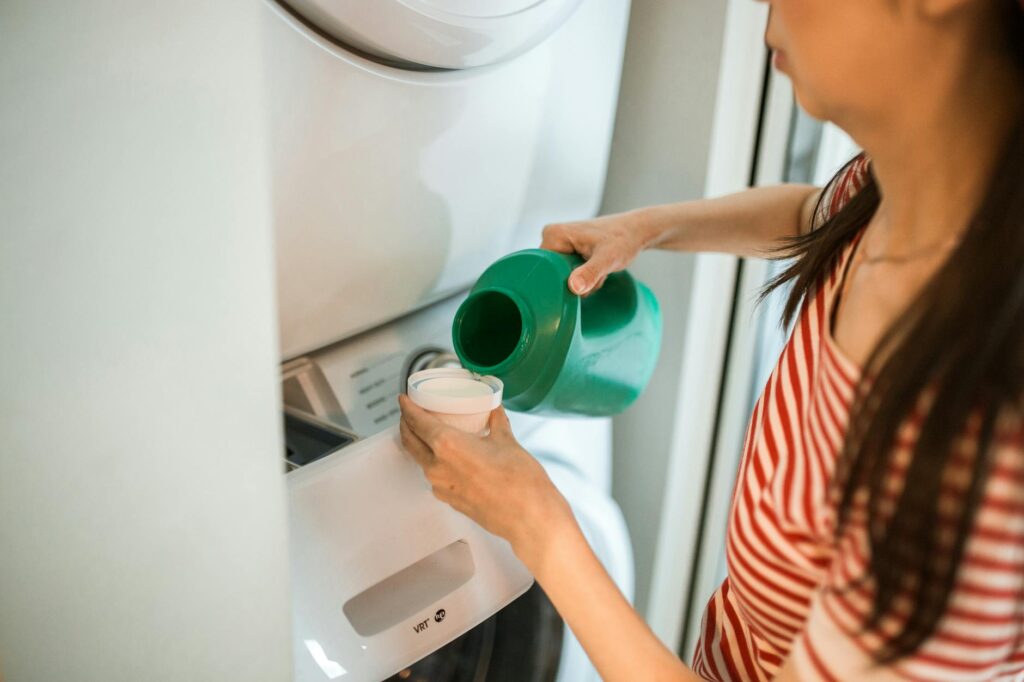
1. Using Too Much Detergent: Follow the recommended amounts on the detergent packaging. Excess can lead to buildup and odors.
2. Neglecting Maintenance: Regularly clean your appliances and their components. Ignoring maintenance can exacerbate odor issues.
3. Closing the Doors: Always leave the washer and dryer doors open after use to allow airflow and prevent moisture buildup.
4. Ignoring the Filter: A clogged filter can trap odors. Clean it regularly to maintain optimal performance.
5. Overloading the Machine: Overloading can prevent proper rinsing, leaving detergent residues that contribute to smells.
Prevention Tips
1. Use the Right Amount of Detergent: Measure your detergent carefully. Using the right amount will help prevent buildup.
2. Regular Cleaning: Schedule a monthly cleaning routine for your appliances to keep them odor-free.
3. Keep the Area Dry: Ensure the laundry area is well-ventilated and dry. Use a dehumidifier if necessary.
4. Leave Doors Open: After each use, leave the washer and dryer doors open to allow fresh air in.
5. Use Fabric Softener Sparingly: While it smells great, too much fabric softener can also lead to buildup.
Frequently Asked Questions
1. How often should I clean my washing machine?
Aim to clean your washing machine at least once a month to prevent odors and buildup.
2. Can I use vinegar and baking soda together?
Yes, using vinegar and baking soda together can help eliminate odors. Just be cautious, as the reaction can create bubbling.
3. What can I do if the smell persists?
If the smell persists after cleaning, consider calling a professional to inspect for hidden mold or mechanical issues.
4. Is it safe to use bleach in my washing machine?
Yes, but use it sparingly and ensure it’s properly diluted. Always check the manufacturer’s guidelines before using bleach.
5. How can I tell if my dryer vent is clogged?
Signs of a clogged vent include longer drying times, a burning smell, or excessive heat in the laundry room.
6. What type of detergent is best to avoid smells?
Choose a high-efficiency (HE) detergent designed for your machine. These are formulated to rinse out more effectively and reduce odors.
By following these steps and tips, you’ll be better equipped to manage and prevent the smell of laundry detergent in your appliances. Regular maintenance is key to enjoying fresh-smelling laundry.