
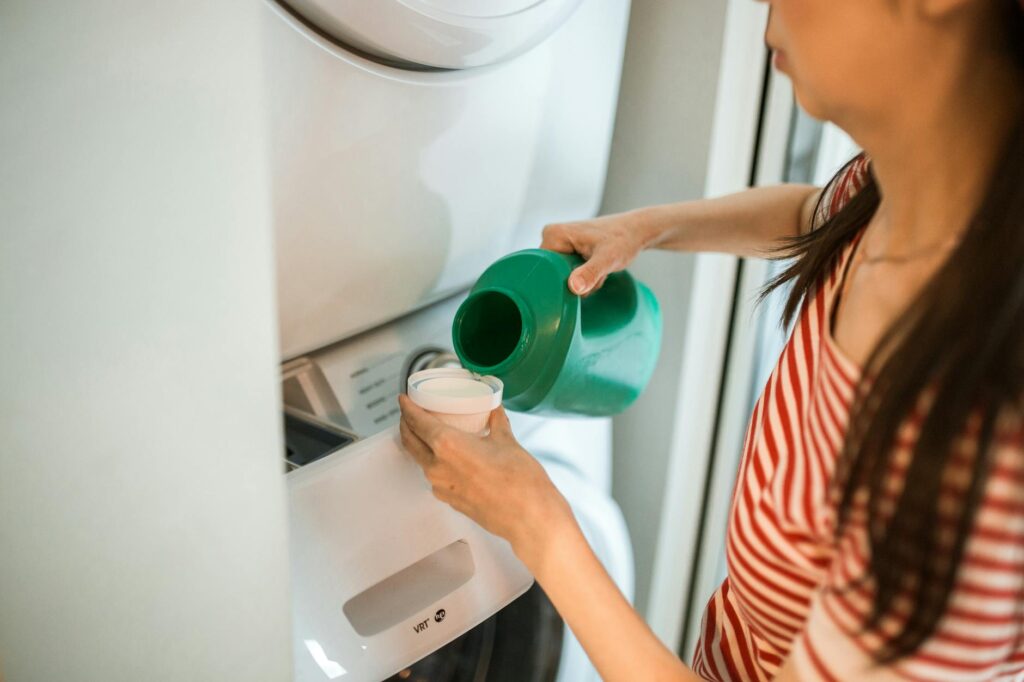
Laundry Detergent Buildup Cleaning Guide Part 1
Introduction
Laundry detergent buildup is a common issue that can affect the cleanliness of your clothes and the efficiency of your washing machine. Over time, detergent can accumulate in the drum, hoses, and even the detergent dispenser, leading to musty odors and less effective washes. This guide provides practical solutions for tackling this problem head-on.
What Causes Cleaning?
Cleaning issues often stem from two primary factors: the type and amount of detergent used, and the washing machine’s maintenance. Overusing detergent, especially in high-efficiency machines, can lead to residue buildup. Additionally, using the wrong type of detergent for your machine or failing to clean your washing machine regularly can exacerbate the problem.
Why This Problem Happens
1. Overuse of Detergent: Many people mistakenly believe that using more detergent will result in cleaner clothes. In reality, excess detergent can create suds that don’t rinse away completely, leading to buildup.
2. Hard Water: If you live in an area with hard water, minerals can combine with detergent and create residue that sticks to your machine and clothes.
3. Infrequent Cleaning: Not cleaning your washing machine regularly allows detergent, fabric softener, and dirt to accumulate. A lack of maintenance can lead to clogs and odors.
4. Incorrect Detergent Type: Using regular detergent in a high-efficiency machine can also contribute to buildup, as these machines require specially formulated detergents that produce fewer suds.
How to Fix Cleaning (Step-by-Step)
Step 1: Gather Your Supplies
- White vinegar
- Baking soda
- A soft cloth or sponge
- A toothbrush (for scrubbing)
- A bucket or bowl
- Vinegar and Baking Soda: This combination is excellent for breaking down detergent buildup and neutralizing odors. The acidity of vinegar and the abrasiveness of baking soda work together effectively.
- Commercial Washing Machine Cleaners: If natural methods don’t yield results, consider using a commercial washing machine cleaner. Follow the instructions on the label.
- Regular Maintenance: Incorporate a monthly cleaning cycle using vinegar or a commercial cleaner to prevent buildup from returning.
Step 2: Empty the Washing Machine
Remove any clothes from the machine to ensure you have full access for cleaning.
Step 3: Clean the Detergent Dispenser
1. Remove the detergent dispenser tray from the machine.
2. Soak it in hot water mixed with a cup of white vinegar for about 30 minutes.
3. Use a toothbrush to scrub away any stubborn residue.
4. Rinse thoroughly and dry before reinserting.
Step 4: Run a Cleaning Cycle
1. Set your washing machine to the hottest cycle available.
2. Add two cups of white vinegar directly into the drum.
3. Start the cycle and let it run completely. This will help dissolve any detergent buildup inside the drum.
Step 5: Use Baking Soda
1. After the vinegar cycle, sprinkle a cup of baking soda into the drum.
2. Run a second hot cycle. This will help neutralize odors and further break down any remaining residue.
Step 6: Wipe Down the Drum
Once the cycles are complete, use a soft cloth to wipe down the inside of the drum. Pay special attention to any areas with visible buildup.
Step 7: Clean the Seals
Inspect the rubber seals around the door for any buildup. Use a damp cloth and a bit of vinegar to wipe them clean.
Best Cleaning Methods
Common Mistakes to Avoid
1. Using Too Much Detergent: Always measure your detergent according to the manufacturer’s guidelines. Less is often more.
2. Ignoring the Detergent Dispenser: Many homeowners overlook the detergent dispenser, assuming it’s clean. Regular cleaning is essential.
3. Neglecting Maintenance: Failing to clean your washing machine regularly can lead to larger problems down the line.
4. Using Regular Detergent in HE Machines: Always use high-efficiency detergent in machines designed for it to prevent excessive suds and buildup.
5. Not Checking Hoses: Ensure the hoses are not clogged with buildup or debris. A blocked hose can lead to drainage issues and contribute to buildup.
Prevention Tips
1. Use the Right Amount of Detergent: Follow the recommended amount based on your load size and soil level.
2. Choose the Correct Detergent: For high-efficiency machines, always opt for HE detergents.
3. Leave the Door Open: After washing, leave the door open to allow moisture to escape. This helps prevent mold and mildew.
4. Run Regular Cleaning Cycles: Set a schedule to clean your washing machine monthly. Use vinegar or a commercial cleaner as needed.
5. Check Water Quality: If you have hard water, consider using a water softener to minimize mineral buildup.
Frequently Asked Questions
1. How often should I clean my washing machine?
Aim to clean your washing machine once a month to prevent buildup and odors.
2. Is vinegar safe for my washing machine?
Yes, vinegar is a natural cleaner that effectively breaks down detergent buildup and is safe for most washing machines.
3. Can I use bleach to clean my washing machine?
Yes, but use it sparingly and never mix it with vinegar. Bleach can disinfect but may not be as effective for removing buildup.
4. What should I do if the odor persists after cleaning?
If odors persist, check the drain hose for clogs, and consider running additional cleaning cycles with vinegar or a commercial cleaner.
5. Does using fabric softener contribute to buildup?
Yes, fabric softeners can leave residue in the washing machine. Use them sparingly and clean the dispenser regularly.
6. Can I use homemade cleaners instead of commercial ones?
Yes, homemade solutions like vinegar and baking soda are effective and eco-friendly alternatives to commercial cleaners.
By following this guide, you can effectively tackle laundry detergent buildup and keep your washing machine running smoothly. Stay tuned for Part 2, where we will delve deeper into advanced cleaning techniques and maintenance tips.