
Laundry Detergent Buildup Bathroom Guide Part 2
Introduction
Laundry detergent buildup in your bathroom can create unsightly stains, unpleasant odors, and even impact the efficiency of your plumbing. While this issue may seem minor, it can lead to significant cleaning headaches if left unaddressed. In this guide, we’ll explore the causes, solutions, and preventive measures to keep your bathroom spotless and free from detergent residue.
What Causes Bathroom Buildup?
Laundry detergent buildup in the bathroom typically arises from two main sources:
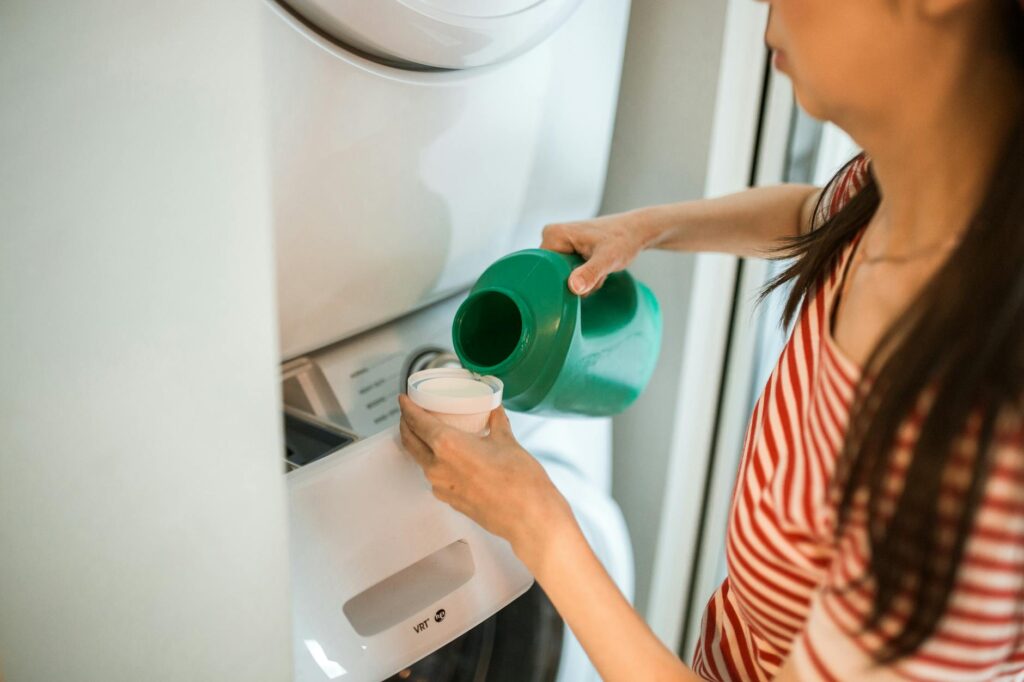
1. Overuse of Detergents: Using too much laundry detergent when washing towels or clothing can lead to excess residue. When these items are dried and stored in the bathroom, the detergent can transfer to surfaces.
2. Water Quality: Hard water contains high levels of minerals like calcium and magnesium, which can react with detergents, leading to a sticky residue on bathroom surfaces.
Why This Problem Happens
Understanding why laundry detergent buildup occurs is essential for effective cleaning:
- Chemical Reactions: Detergents are designed to lift dirt and grime. However, when mixed with hard water, they can form a sticky film that clings to surfaces.
- Humidity: Bathrooms are typically humid environments. This excess moisture can exacerbate the problem, making it easier for detergent residue to adhere to tiles, fixtures, and other surfaces.
- Poor Ventilation: Inadequate airflow can prevent moisture from evaporating, leading to increased buildup and potential mold growth.
- White vinegar
- Baking soda
- Non-abrasive sponge or cloth
- Spray bottle
- Water
- Bucket
- Using Abrasive Cleaners: Avoid harsh scrubbers or cleaning agents that can scratch surfaces. Stick to non-abrasive sponges and mild cleaners.
- Not Rinsing Thoroughly: Failing to rinse surfaces properly can leave behind residues from cleaning products, leading to more buildup.
- Ignoring Ventilation: Not addressing humidity and ventilation issues can lead to recurring buildup. Ensure your bathroom has proper airflow.
- Neglecting Regular Maintenance: Only cleaning when buildup is visible can lead to larger issues. Regular cleaning can prevent buildup from forming in the first place.
- Use the Right Amount of Detergent: Always follow the manufacturer’s instructions for detergent use. Consider using less detergent for smaller loads.
- Install a Water Softener: If you live in an area with hard water, a water softener can significantly reduce mineral buildup.
- Improve Ventilation: Use exhaust fans and open windows to reduce humidity levels in your bathroom.
- Regular Cleaning Routine: Incorporate a cleaning schedule to address potential buildup before it becomes a problem. Cleaning once a week can keep surfaces looking fresh.
How to Fix Bathroom (Step-by-Step)
Cleaning laundry detergent buildup is straightforward when you follow these steps:
Step 1: Gather Supplies
You will need:
Step 2: Prepare a Cleaning Solution
Mix equal parts of white vinegar and water in a spray bottle. For tougher buildup, add a tablespoon of baking soda to the solution, which will help break down residue.
Step 3: Apply the Solution
Spray the affected areas generously with your cleaning solution. Focus on tiles, grout lines, and any other surfaces that show signs of buildup.
Step 4: Let It Sit
Allow the solution to sit for at least 10-15 minutes. This waiting period lets the vinegar and baking soda break down the detergent residue.
Step 5: Scrub
Using a non-abrasive sponge or cloth, scrub the surfaces in circular motions. Pay extra attention to corners and crevices where buildup tends to accumulate.
Step 6: Rinse Thoroughly
Using a bucket of warm water, rinse the cleaned areas to remove any remaining cleaning solution and loosened residue. Ensure no vinegar or baking soda remains.
Step 7: Dry Surfaces
Wipe down all surfaces with a clean, dry cloth to remove moisture and prevent future buildup.
Best Cleaning Methods
Here are some of the most effective cleaning methods for dealing with detergent buildup in the bathroom:
Vinegar and Baking Soda
As mentioned, this duo is powerful against detergent buildup. The acidity of vinegar helps dissolve residues, while baking soda acts as a gentle abrasive.
Lemon Juice
The natural acidity of lemon juice can effectively cut through soap scum and detergent buildup. Use it similarly to vinegar for a fresh scent.
Commercial Cleaners
If natural solutions don’t work, consider using a commercial bathroom cleaner specifically designed to tackle soap scum and detergent residues. Always follow the manufacturer’s instructions.
Steam Cleaning
For persistent buildup, a steam cleaner can be an excellent investment. The heat from the steam loosens tough residues without harsh chemicals.
Common Mistakes to Avoid
When cleaning laundry detergent buildup, avoid these common pitfalls:
Prevention Tips
Preventing laundry detergent buildup is easier than dealing with it after it occurs. Here are some practical tips:
Frequently Asked Questions
1. Can I use bleach to clean detergent buildup?
While bleach can disinfect, it’s not the best choice for detergent buildup, as it may not dissolve the residue effectively and can cause surface damage.
2. How often should I clean my bathroom to prevent buildup?
A weekly cleaning routine is ideal for preventing buildup. Regular maintenance helps keep surfaces clean and reduces the likelihood of detergent residue.
3. What if the buildup is stubborn and won’t come off?
For stubborn buildup, try soaking the affected area in a vinegar solution for 30 minutes before scrubbing or consider using a commercial cleaner designed for tough stains.
4. Is there a way to check if my water is hard?
You can purchase a water hardness test kit from a hardware store or contact your local water supplier for information on water hardness in your area.
5. Can I use the same cleaning method for all bathroom surfaces?
While vinegar and baking soda are generally safe for most surfaces, always test a small area first, especially on delicate materials like natural stone.
6. How can I tell if my detergent is causing buildup?
If you notice a sticky residue on bathroom surfaces or a musty odor, it may indicate detergent buildup. Keeping track of how much detergent you use can help identify the issue.
By following these guidelines, you can effectively manage and prevent laundry detergent buildup in your bathroom. A clean, fresh bathroom is just a few steps away!