
Laundry Detergent Buildup Bathroom Guide Part 1
Introduction
Laundry detergent buildup in the bathroom can be a frustrating problem. It not only affects the appearance of your space but can also lead to unpleasant odors and even mold growth. This guide will provide you with practical solutions to tackle detergent buildup effectively, ensuring your bathroom remains clean and fresh.
What Causes Bathroom Detergent Buildup?
Laundry detergent buildup occurs when soap residue accumulates in various areas of your bathroom. Common locations include the shower, tub, sink, and even on towels and bath mats. The main causes of this buildup are:
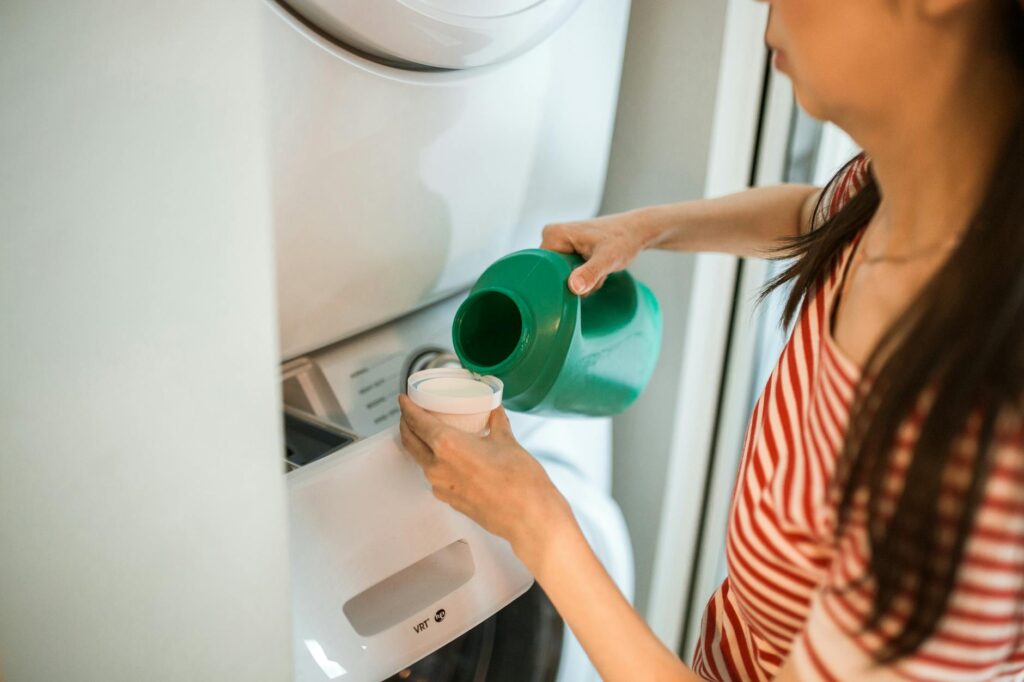
1. Excessive Use of Laundry Detergent: Using more detergent than necessary can leave behind residues that transfer to clothing and subsequently to bathroom items.
2. Hard Water: Minerals in hard water can interact with detergent, preventing it from rinsing away completely.
3. Poor Ventilation: A lack of airflow can promote moisture retention, which contributes to mold and soap scum.
4. Infrequent Cleaning: Regular cleaning helps prevent the accumulation of soap scum and detergent residues.
Why This Problem Happens
The bathroom is often a humid environment, making it a prime location for detergent buildup. When laundry detergent is used excessively, it can leave a sticky residue that clings to surfaces. This residue can also trap dirt and grime, creating an unappealing appearance.
Additionally, if your bathroom isn’t properly ventilated, humidity levels can rise, causing detergent and soap scum to cling to surfaces rather than wash away. Over time, this buildup can become more challenging to remove, leading to a cycle of cleaning that feels never-ending.
How to Fix Bathroom (Step-by-Step)
Step 1: Gather Your Supplies
Before you begin cleaning, gather the following supplies:
- White vinegar
- Baking soda
- Dish soap
- Scrub brushes or sponges
- Microfiber cloths
- Spray bottles
- Rubber gloves (optional)
Step 2: Prepare a Cleaning Solution
Create an effective cleaning solution by mixing equal parts of white vinegar and water in a spray bottle. For tougher stains, add a tablespoon of dish soap to the mixture. This solution helps break down detergent residues.
Step 3: Spray Affected Areas
Spray the cleaning solution generously on all affected areas, including the shower walls, tub, sink, and any surfaces that show signs of buildup. Allow the solution to sit for at least 10-15 minutes to break down the residue.
Step 4: Scrub the Surfaces
Using a scrub brush or sponge, scrub the surfaces thoroughly. For stubborn areas, sprinkle baking soda directly onto the surface before scrubbing. The combination of vinegar and baking soda will create a fizzing action that can help lift the buildup.
Step 5: Rinse Thoroughly
After scrubbing, rinse all areas with warm water. Ensure that no cleaning solution or residue is left behind, as this can create a slippery surface.
Step 6: Dry the Areas
Wipe down the surfaces with a microfiber cloth to eliminate any remaining moisture. This step is crucial in preventing future buildup.
Best Cleaning Methods
1. Vinegar and Baking Soda: This natural combination is effective against detergent buildup. Vinegar cuts through grime, while baking soda provides gentle abrasiveness for scrubbing.
2. Commercial Cleaners: If natural solutions aren’t cutting it, consider using commercial bathroom cleaners designed to combat soap scum and detergent buildup. Ensure they are safe for the specific surfaces in your bathroom.
3. Steam Cleaning: A steam cleaner can effectively sanitize and lift grime from surfaces without harsh chemicals. This method is also great for areas that are hard to reach.
Common Mistakes to Avoid
1. Using Too Much Detergent: Always follow the manufacturer’s instructions on the detergent packaging. Using more than recommended can lead to excess buildup.
2. Neglecting Cleaning: Skipping regular bathroom cleanings allows buildup to accumulate, making it more difficult to remove later.
3. Ignoring Hard Water Issues: If you live in a hard water area, consider installing a water softener or using a descaler to prevent mineral buildup.
4. Not Ventilating: Always ensure your bathroom is well-ventilated to reduce humidity. Use exhaust fans, open windows, or leave the door ajar when showering.
Prevention Tips
1. Use the Right Amount of Detergent: Measure your detergent carefully to avoid excess. For most loads, the recommended amount is sufficient.
2. Switch to Liquid Detergent: If you notice buildup with powder detergents, consider switching to liquid options, which often dissolve better.
3. Regular Cleaning Schedule: Set a cleaning schedule that includes wiping down surfaces weekly to prevent buildup.
4. Keep Towels Dry: Hang towels properly to ensure they dry completely, reducing the chance of detergent residues and odors.
5. Invest in a Dehumidifier: If your bathroom is prone to humidity, a dehumidifier can help maintain a drier environment.
Frequently Asked Questions
1. What signs indicate laundry detergent buildup in my bathroom?
Look for sticky residues, a dull appearance on surfaces, or a musty smell. If towels or bath mats feel stiff or have an odor, they may also be affected.
2. How often should I clean my bathroom to prevent buildup?
Aim to clean high-use areas like the shower and sink weekly. A thorough deep clean every month will help keep detergent buildup at bay.
3. Can I use bleach to remove detergent buildup?
While bleach can disinfect, it may not effectively remove detergent residues. It’s best used as a last resort and should not be mixed with other cleaning agents.
4. How can I tell if my water is hard?
Common indicators of hard water include mineral spots on glassware, white crust on faucets, and difficulty lathering soap or detergent.
5. Will vinegar damage my bathroom fixtures?
Vinegar is generally safe for most bathroom surfaces, but avoid using it on natural stone, as it can cause etching. Always test a small area first.
6. Can I prevent detergent buildup with fabric softeners?
While fabric softeners can make laundry feel softer, they can also contribute to buildup in the bathroom. Use them sparingly to avoid adding to the problem.
By following this guide, you can effectively manage and prevent laundry detergent buildup in your bathroom, keeping your space clean and welcoming.