
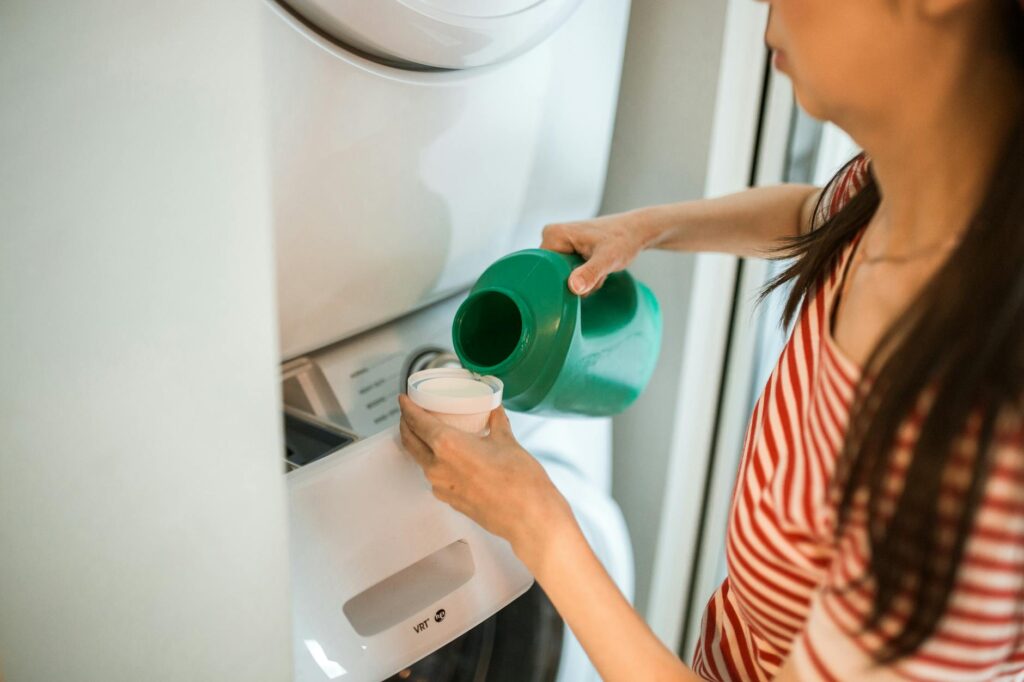
Laundry Detergent Buildup Appliances Guide Part 2
Introduction
Laundry detergent buildup in appliances can be a frustrating issue for homeowners. Over time, residues can accumulate in your washing machine, leading to unpleasant odors, inefficient cleaning, and even appliance damage. In this guide, we’ll explore the causes of this buildup, how to fix it, and preventive measures to keep your laundry appliances functioning optimally.
What Causes Appliances?
Laundry detergent buildup primarily occurs in washing machines, particularly front-loading models. Here are the main culprits:
- Overuse of Detergent: Using more detergent than necessary can lead to excess soap residue that doesn’t wash away completely.
- Type of Detergent: Some detergents, especially those that are not high-efficiency (HE) certified, can leave more residue.
- Water Hardness: Hard water can cause minerals to combine with detergent, creating a sludge that sticks to your appliance.
- Poor Maintenance: Neglecting to clean your washer regularly can lead to buildup of lint, mold, and detergent residues.
- White vinegar
- Baking soda
- A soft cloth or sponge
- A toothbrush or a small scrub brush
- A bucket
Why This Problem Happens
Laundry detergent buildup occurs due to a combination of factors:
1. Chemical Reactions: Detergents contain surfactants that should rinse away, but if used excessively, they can bond with minerals in hard water and create a sticky film.
2. Moist Environments: Washing machines are often damp, making them a breeding ground for mold and mildew, which can thrive on detergent residue.
3. Infrequent Use: If you don’t use your washing machine regularly, stagnant water and leftover detergent can contribute to buildup.
4. Improper Rinsing: If your washing machine’s rinse cycle isn’t effective, it can leave behind detergent residues.
How to Fix Appliances (Step-by-Step)
Step 1: Gather Your Supplies
You’ll need:
Step 2: Empty the Washer
Remove all clothes and items from the washing machine to give you full access to the drum and detergent compartments.
Step 3: Clean the Detergent Dispenser
1. Remove the Dispenser: If your machine allows, take out the detergent dispenser.
2. Soak in Vinegar: Place it in a bucket with equal parts vinegar and hot water for about 30 minutes.
3. Scrub: After soaking, use a toothbrush to scrub away any buildup. Rinse thoroughly and set aside to dry.
Step 4: Clean the Drum
1. Add Vinegar: Pour two cups of white vinegar directly into the drum.
2. Run a Cycle: Set your washing machine to the hottest setting and run a complete cycle.
3. Baking Soda Boost: When the cycle is halfway through, add one cup of baking soda to the drum. Let it finish the cycle.
Step 5: Wipe Seals and Gaskets
Use a cloth or sponge dampened with vinegar to wipe down the rubber seals and gaskets around the door. This is where mold and mildew often accumulate.
Step 6: Rinse and Dry
After the cycle is complete, wipe the drum with a clean cloth to remove any remaining vinegar or baking soda. Leave the door open for a few hours to allow moisture to escape.
Best Cleaning Methods
Use Vinegar and Baking Soda
Vinegar and baking soda are natural cleaners that help break down detergent residues. They are safe for your washing machine and effective in eliminating odors.
Regular Deep Cleaning
Schedule a deep clean of your washing machine every 1-3 months, depending on usage. This helps prevent buildup before it becomes a problem.
Use High-Efficiency Detergent
Switch to a high-efficiency (HE) detergent if you’re not already using one. These are formulated to produce less foam and leave less residue.
Common Mistakes to Avoid
1. Overloading the Machine: This can prevent thorough rinsing and lead to detergent buildup.
2. Ignoring the Maintenance Schedule: Skipping regular cleaning can exacerbate buildup problems.
3. Not Using the Right Detergent: Using non-HE detergents in HE machines can lead to excessive suds and residue.
4. Closing the Door After Use: Always leave the door open after washing to allow air circulation and prevent mold growth.
Prevention Tips
1. Measure Detergent Carefully: Follow the manufacturer’s instructions for the correct amount of detergent.
2. Use the Right Water Temperature: Hot water helps dissolve detergent better, especially in hard water areas.
3. Regular Maintenance: Incorporate cleaning your washing machine into your regular household cleaning schedule.
4. Keep the Machine Dry: Wipe down the drum and door after each use to minimize moisture.
Frequently Asked Questions
1. How often should I clean my washing machine?
Aim to clean your washing machine every 1-3 months based on usage.
2. Can I use bleach to clean my washing machine?
Yes, but use it sparingly as it can damage some components. Opt for vinegar and baking soda for a safer alternative.
3. What are the signs of detergent buildup?
Signs include musty odors, clothes feeling unclean, and visible residue in the drum or dispenser.
4. Is it necessary to clean the detergent dispenser?
Yes, buildup can cause clogs and prevent proper dispensing of detergent.
5. Can I use vinegar and baking soda together?
Yes, they are effective when used in sequence but should not be mixed together in a container as they will neutralize each other.
6. What should I do if my washing machine smells bad?
Run a cleaning cycle with vinegar and baking soda, and ensure you clean the seals and gaskets to eliminate odors.
By following these steps and tips, you can effectively manage and prevent laundry detergent buildup in your appliances, ensuring they remain in top condition for years to come. Happy washing!