
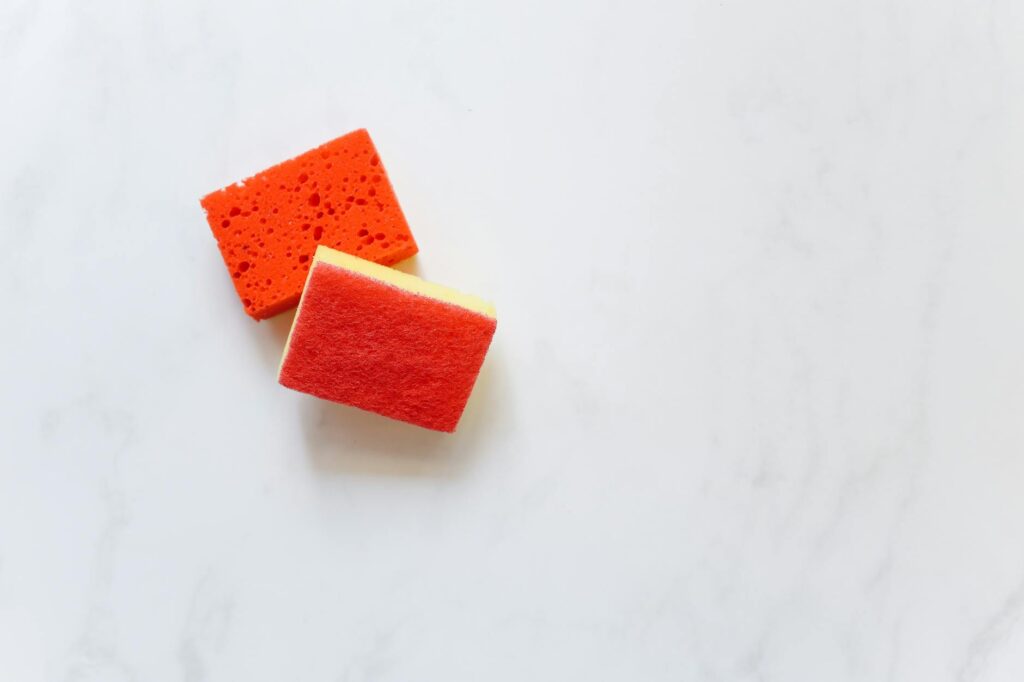
Kitchen Sponge Stains Stains Guide Part 2
Introduction
Kitchen sponges are essential tools for cleaning, but they can quickly become stained and harbor bacteria if not cared for properly. Stains not only make your sponge look unappealing, but they can also reduce its effectiveness. In this guide, we’ll explore what causes these stains, why they occur, how to fix them, and how to prevent them in the future.
What Causes Stains?
Stains on kitchen sponges typically come from a variety of sources:
1. Food Residue: Leftover food particles, especially those rich in oils or pigments, can cling to sponges.
2. Beverage Spills: Drinks like coffee, tea, and juices can leave dark stains that are tough to remove.
3. Cleaning Products: Some cleaning agents can cause discoloration when they interact with sponge materials.
4. Mold and Mildew: Sponges that are damp for prolonged periods can develop mold or mildew stains.
5. Hard Water Deposits: Minerals in hard water can leave behind stains that build up over time.
Why This Problem Happens
Understanding the reasons behind sponge stains can help you tackle the issue more effectively. Here are some key factors:
- Humidity: Sponges thrive in moist environments, making them susceptible to stains from mold and mildew.
- Infrequent Cleaning: Neglecting to clean your sponge regularly allows stains to set in.
- Improper Storage: Storing sponges in closed spaces can trap moisture and promote staining.
- Action: Rinse the sponge under hot running water to remove any loose food particles or debris.
- Solution: Use a mixture of equal parts vinegar and water or a few drops of dish soap in warm water.
- Action: Submerge the sponge in the solution for about 5-10 minutes.
- Action: After soaking, take a soft brush or your fingers and gently scrub the stained areas to lift the stains.
- Action: Rinse the sponge again under hot water to remove any cleaning solution and loosened stains.
- Action: Squeeze out excess water and place the sponge in a well-ventilated area to dry completely.
- Ingredients: White vinegar.
- Instructions: Soak the sponge in a bowl of vinegar for about 30 minutes. Rinse well afterward.
- Ingredients: Baking soda and water.
- Instructions: Create a paste with baking soda and water. Apply it to the stained areas, let it sit for 15 minutes, then scrub and rinse.
- Instructions: Dampen the sponge and place it in the microwave (make sure it’s not metal) for 2 minutes. This can help kill bacteria and reduce stains.
- Ingredients: Fresh lemon juice.
- Instructions: Soak the sponge in lemon juice for about 15 minutes. Rinse thoroughly afterward.
How to Fix Stains (Step-by-Step)
Dealing with sponge stains is straightforward if you follow these steps:
Step 1: Rinse Thoroughly
Step 2: Soak in a Cleaning Solution
Step 3: Scrub
Step 4: Rinse Again
Step 5: Dry Completely
Best Cleaning Methods
Here are some effective cleaning methods to remove stains from kitchen sponges:
Method 1: Vinegar Soak
Method 2: Baking Soda Paste
Method 3: Microwave Disinfection
Method 4: Lemon Juice
Common Mistakes to Avoid
When dealing with sponge stains, it’s essential to avoid these common pitfalls:
1. Ignoring Regular Cleaning: Sponges should be cleaned regularly to prevent stains from setting in.
2. Using Harsh Chemicals: Strong chemicals can deteriorate the sponge and may not effectively remove stains.
3. Not Drying Properly: Failing to dry the sponge can lead to mold growth and further staining.
4. Using a Dirty Sponge: A sponge that’s already dirty won’t effectively clean stains and will only transfer grime.
Prevention Tips
Preventing stains on your kitchen sponges is easier than removing them. Here are some helpful tips:
1. Rinse After Use: Always rinse your sponge thoroughly after each use to remove food particles.
2. Store in a Dry Place: Keep sponges in a well-ventilated area to allow them to dry completely.
3. Rotate Sponges: Use multiple sponges and rotate them regularly to give each one time to dry.
4. Clean Regularly: Incorporate sponge cleaning into your routine—once a week is ideal.
5. Use Disposable Options: Consider using disposable sponges for particularly messy jobs.
Frequently Asked Questions
1. How often should I replace my kitchen sponge?
It’s advisable to replace your kitchen sponge every 2 to 4 weeks, depending on usage.
2. Can I wash my sponge in the dishwasher?
Yes, many sponges are dishwasher safe. Place them on the top rack for cleaning.
3. Why does my sponge smell bad?
A bad smell usually indicates the presence of bacteria or mold. Regular cleaning and drying can help prevent this.
4. Are there specific sponges that resist stains better?
Yes, some sponges are designed with antimicrobial properties that help resist stains and odors.
5. Can I use bleach to clean my sponge?
While bleach can sanitize sponges, it may not be suitable for all sponge materials and can cause discoloration.
6. What’s the best way to store my sponge?
Store your sponge in a dry, open area or a sponge holder that allows for airflow to prevent moisture buildup.
By following these practical tips and methods, you can effectively manage kitchen sponge stains and keep your cleaning supplies in top shape. A clean sponge not only looks better but also performs better, ensuring your kitchen stays hygienic and welcoming.