
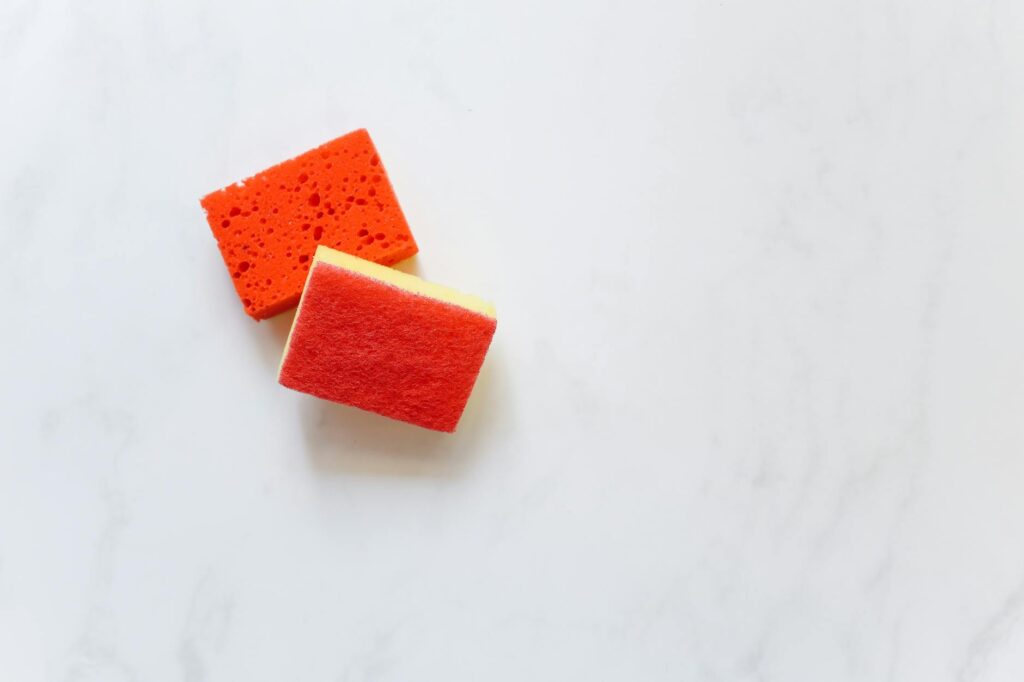
Kitchen Sponge Stains Mould & Damp Guide Part 2
Introduction
Mould and damp issues in kitchen sponges can turn a seemingly innocent cleaning tool into a breeding ground for bacteria and foul odors. Understanding what causes these stains and how to effectively deal with them is essential for maintaining a clean and healthy kitchen. In this guide, we will explore the causes of mould and damp, how to fix these issues, the best cleaning methods, common mistakes to avoid, and tips to prevent them from happening again.
What Causes Mould & Damp?
Mould thrives in moist environments, making kitchen sponges a prime target. The combination of food particles, moisture, and warmth creates the perfect conditions for mould growth. Here are the primary factors contributing to mould and damp in kitchen sponges:
- Moisture: Sponges retain water, especially if left damp after use.
- Food Residue: Leftover food particles provide nutrients for mould.
- Poor Air Circulation: Storing sponges in closed containers or wet areas prevents them from drying out.
- Temperature: A warm kitchen can accelerate mould growth.
- Neglecting Cleaning: Many people forget to regularly clean their sponges.
- Improper Storage: Storing sponges in wet areas or closed containers traps moisture.
- Overusing Sponges: Using the same sponge for too long without proper care allows for bacteria and mould to accumulate.
- Using the Wrong Sponge: Some sponges are more prone to mould than others, especially those made from organic materials.
- Bleach Solution: Mix one tablespoon of bleach with one cup of water. Soak the sponge in this solution for five minutes, then rinse thoroughly.
- Vinegar: Soak the sponge in white vinegar for at least 30 minutes. Rinse afterward.
- Microwave Method: Wet the sponge and place it in the microwave for two minutes. Ensure it’s damp to avoid fires.
- Dishwasher: Place the sponge in the top rack of your dishwasher during a hot cycle.
- Bleach: As mentioned, bleach is an effective mould killer.
- Baking Soda Paste: Mix baking soda with a bit of water to create a paste. Apply it to the sponge, let it sit for 15 minutes, and then rinse.
- Hydrogen Peroxide: Soak the sponge in a solution of hydrogen peroxide and water to disinfect.
- Using a Sponge Too Long: Replace sponges every 2-4 weeks or sooner if they show signs of wear.
- Neglecting to Clean: Don’t forget to clean your sponge regularly; make it part of your kitchen routine.
- Storing Wet Sponges: Never store sponges in a closed container; always allow them to dry out.
- Using the Wrong Cleaning Products: Avoid fabric softeners or other harsh chemicals that can degrade sponge materials.
- Dry After Use: Always wring out sponges thoroughly and place them in a well-ventilated area after each use.
- Rotate Sponges: Use multiple sponges and rotate them to allow each one time to dry.
- Use Microfiber Cloths: Consider using microfiber cloths, which are less prone to mould and easier to clean.
- Regular Replacement: Set a reminder to replace sponges regularly, keeping your kitchen healthy.
Why This Problem Happens
Despite our best efforts to keep the kitchen clean, we may inadvertently create an environment conducive to mould and damp. Here are some common reasons why this happens:
How to Fix Mould & Damp (Step-by-Step)
If you discover mould on your kitchen sponge, don’t panic. Here’s a step-by-step guide to tackle the issue effectively:
Step 1: Assess the Damage
Check your sponge for visible mould or a musty smell. If the sponge is heavily contaminated, it may be best to discard it.
Step 2: Rinse Thoroughly
If the sponge is salvageable, rinse it under hot water to remove any loose debris and mould spores.
Step 3: Disinfect the Sponge
There are multiple methods to disinfect your sponge. Choose one of the following:
Step 4: Dry Completely
After cleaning, squeeze out excess water and let the sponge dry in an open area with good air circulation. Avoid covering it or placing it in a damp environment.
Step 5: Regular Maintenance
To prevent mould from returning, clean your sponge weekly using one of the methods above and always ensure it dries completely after each use.
Best Cleaning Methods
To effectively clean and disinfect kitchen sponges, consider the following methods:
Common Mistakes to Avoid
Avoid these common pitfalls to ensure your sponges remain clean and free from mould:
Prevention Tips
Preventing mould and damp in kitchen sponges requires a proactive approach. Here are some tips:
Frequently Asked Questions
1. How often should I replace my kitchen sponge?
It’s best to replace your kitchen sponge every 2-4 weeks or sooner if it shows signs of wear or has developed a smell.
2. Can I clean my sponge in the washing machine?
Yes, you can clean your sponge in the washing machine, but it’s more effective to use a dishwasher, as the high heat helps disinfect better.
3. Is it safe to use bleach on my sponge?
Yes, using a bleach solution is an effective way to kill mould and bacteria. Just ensure to rinse thoroughly afterward to remove any remaining bleach.
4. What should I do if my sponge smells bad?
If your sponge has a bad smell, it’s a sign that mould or bacteria are present. Clean it using one of the methods described above or consider replacing it if the smell persists.
5. Can I use vinegar alone to clean a sponge?
Yes, soaking a sponge in vinegar is an effective method to kill mould and bacteria. It’s a natural alternative to bleach.
6. Are there sponges that are less prone to mould?
Yes, synthetic sponges tend to be less prone to mould compared to natural sponges. Look for sponges made of polyester or nylon for better resistance.
By following these practical tips and strategies, you can effectively manage and prevent mould and damp issues in your kitchen sponges. Keeping your cleaning tools in top condition not only enhances your kitchen hygiene but also ensures a healthier environment for you and your family.