
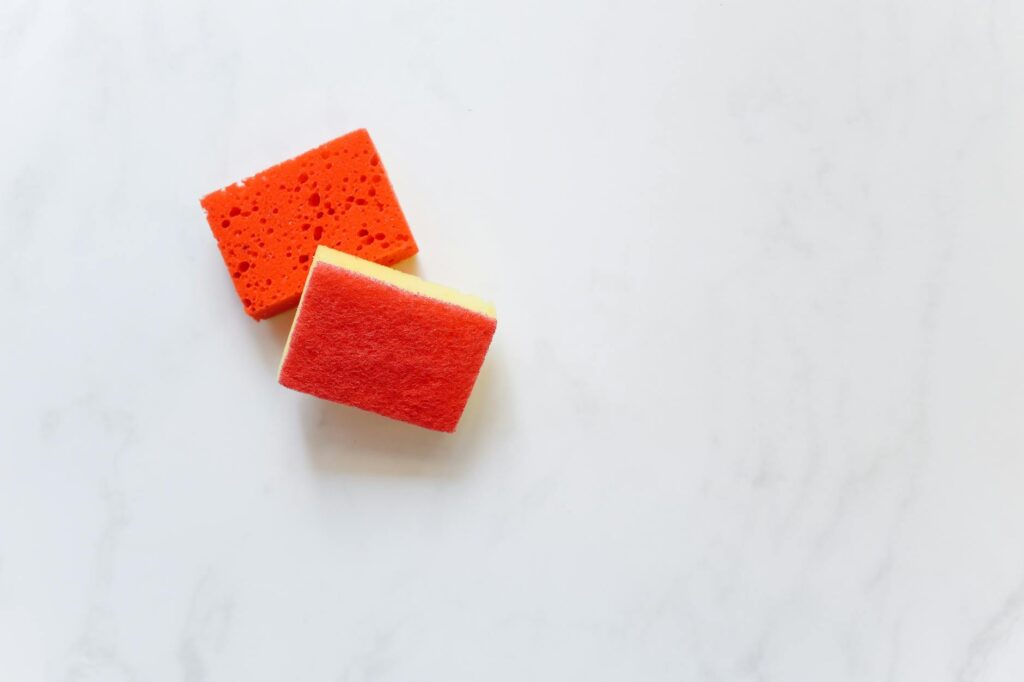
Kitchen Sponge Stains Laundry Guide Part 2
Introduction
Kitchen sponges are essential cleaning tools, but they can quickly become a source of stains and odors if not maintained properly. In this article, we’ll explore the causes of stains in kitchen sponges, why they occur, and most importantly, how to effectively remove these stains. With practical tips and straightforward methods, you can keep your sponges clean and extend their lifespan.
What Causes Laundry?
Kitchen sponge stains often occur due to food debris, grease, and bacteria buildup. When sponges are used to wipe surfaces or absorb spills, they can trap particles that lead to discoloration and unpleasant odors. Additionally, if sponges are not washed or replaced regularly, they become breeding grounds for germs and mold, exacerbating the problem.
Why This Problem Happens
Understanding why kitchen sponges become stained is key to preventing and treating the issue. Here are some common reasons:
1. Food Residue: When sponges are used to clean up spills or wipe down counters, tiny bits of food can linger in the fibers.
2. Grease and Oil: Cooking oil and greasy substances can cling to sponges, making them sticky and prone to staining.
3. Mold and Mildew: Sponges that remain damp for extended periods can develop mold, which not only stains but also poses a health risk.
4. Improper Drying: If sponges are not dried out after use, moisture can cause discoloration and bad odors.
5. Chemical Reactions: Certain cleaning products can react with the materials of the sponge, leading to staining.
How to Fix Laundry (Step-by-Step)
Removing stains from kitchen sponges is straightforward if you follow these steps:
Step 1: Rinse Thoroughly
Start by rinsing the sponge under warm water to remove any loose debris. This initial rinse helps dislodge food particles and prepares the sponge for deeper cleaning.
Step 2: Soak in Vinegar Solution
Create a cleaning solution using equal parts white vinegar and water. Submerge the sponge in this mixture and let it soak for about 5-10 minutes. The acidity of vinegar helps break down grease and bacteria.
Step 3: Scrub
After soaking, take the sponge out and scrub it gently against itself or a textured surface. This will help lift any remaining stains. Pay special attention to stained areas.
Step 4: Rinse Again
Thoroughly rinse the sponge under warm running water to remove any remaining vinegar and loosened debris.
Step 5: Dry Completely
Press out excess water and leave the sponge in a well-ventilated area to dry completely. Avoid sealing it in a container or leaving it in a damp spot.
Best Cleaning Methods
There are several effective methods for cleaning kitchen sponge stains. Here are some of the most reliable:
1. Bleach Solution
- Use: Mix one part bleach to nine parts water.
- Method: Soak the sponge for a few minutes, then rinse thoroughly. Note: Use caution with bleach, and ensure the area is well-ventilated.
- Use: Combine baking soda with a small amount of water to form a paste.
- Method: Apply the paste to stained areas, let it sit for 10 minutes, then scrub and rinse.
- Use: Dampen the sponge and place it in the microwave for 1-2 minutes.
- Method: This method kills bacteria and helps remove odors. Be careful when removing it, as it will be hot.
- Use: Mix a few drops of dish soap in hot water.
- Method: Soak the sponge for 10 minutes, then scrub and rinse.
- Rinse After Use: Always give your sponge a good rinse after using it to remove food particles.
- Dry Properly: After cleaning, wring out the sponge and place it in a dry, ventilated area.
- Use Two Sponges: Designate one sponge for washing dishes and another for general cleaning to minimize cross-contamination.
- Regular Replacement: Make it a habit to replace your sponges every 2-4 weeks, depending on usage.
- Deep Clean Weekly: Incorporate a deep cleaning routine into your weekly schedule to ensure your sponges stay fresh.
2. Baking Soda Paste
3. Microwave Method
4. Dish Soap and Hot Water
Common Mistakes to Avoid
To effectively manage kitchen sponge stains, avoid these common pitfalls:
1. Neglecting Regular Cleaning: Failing to clean sponges regularly can lead to stubborn stains and odors.
2. Using Fabric Softener: This can leave a residue that attracts dirt and grease.
3. Storing Wet Sponges: Leaving sponges damp in a closed area promotes mold growth.
4. Overusing Sponges: Using the same sponge for too long can lead to both staining and bacterial buildup. Replace sponges every few weeks or when they start to smell.
5. Ignoring Stains: Allowing stains to set makes them harder to remove later. Clean stains as soon as you notice them.
Prevention Tips
Preventing kitchen sponge stains is easier than dealing with them after they occur. Here are some effective strategies:
Frequently Asked Questions
1. How often should I clean my kitchen sponge?
Clean your sponge at least once a week, or more frequently if it shows signs of staining or odor.
2. Can I use a sponge on all surfaces?
No, avoid using sponges on delicate surfaces like non-stick cookware or polished wood, as they can scratch or damage them.
3. Is it safe to microwave a sponge?
Yes, microwaving a damp sponge for 1-2 minutes can kill bacteria, but be cautious when removing it as it will be very hot.
4. What should I do if my sponge smells bad?
Soak it in a vinegar solution or use baking soda to help eliminate odors. If the smell persists, consider replacing the sponge.
5. Can I wash sponges in the dishwasher?
Yes, many sponges are dishwasher-safe. Place them on the top rack and run a full cycle to help sanitize them.
6. Are there any sponges that resist staining?
Some sponges are designed with antibacterial properties or are made from materials less prone to staining, like silicone. Consider these options for better performance.
By actively addressing kitchen sponge stains and employing these practical cleaning methods, you can maintain a sanitary kitchen environment while prolonging the life of your sponges. Make these practices a regular part of your cleaning routine, and enjoy a fresher, cleaner sponge every day!