
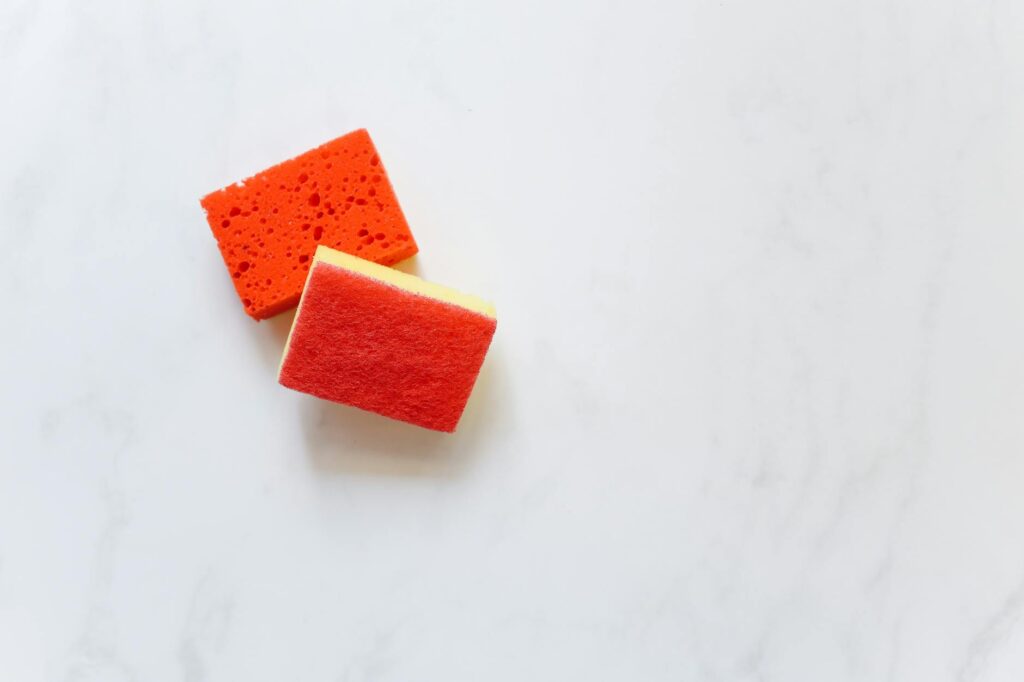
Kitchen Sponge Stains Laundry Guide Part 1
Introduction
Kitchen sponges are essential tools in our daily cleaning routines, but they can quickly become sources of stains and odors. When these sponges come into contact with food particles, grease, and grime, they can transfer those stains to your laundry. This guide will help you understand the causes of laundry stains from kitchen sponges and provide actionable steps to fix and prevent them.
What Causes Laundry Stains?
Stains from kitchen sponges often occur due to:
1. Food Residue: Sponges used for cleaning dishes can harbor food particles that may not be fully rinsed out.
2. Grease and Oil: Cooking oils and greasy substances can cling to sponges, leading to transfer stains.
3. Color Transfer: Dyes from foods, such as tomato sauce or curry, can leach into the sponge and then onto your clothes.
4. Mold and Mildew: If sponges are left damp, they can develop mold, which may leave dark stains on fabrics.
Understanding these causes is the first step in effectively addressing the problem.
Why This Problem Happens
The issue arises mainly because sponges absorb a wide range of substances during their cleaning tasks. When laundered, they can release these substances back onto your clothes, leading to unsightly stains. The porous nature of sponges makes them excellent at trapping dirt, but it also allows them to become a source of stains if not properly maintained.
How to Fix Laundry Stains (Step-by-Step)
If you discover stains on your clothes caused by kitchen sponges, follow these steps to effectively remove them:
Step 1: Identify the Stain
Before treating the stain, identify its nature. Is it grease, food dye, or something else? This will help determine the right cleaning method.
Step 2: Act Quickly
The sooner you treat a stain, the easier it will be to remove. If possible, treat the stain immediately after washing.
Step 3: Rinse the Stain
Rinse the stained area under cold running water to remove any excess residue. This helps prevent the stain from setting.
Step 4: Pretreat the Stain
Apply a stain remover directly to the affected area. If you don’t have a commercial stain remover, you can make a paste with baking soda and water. Let it sit for at least 15 minutes.
Step 5: Wash Normally
After the stain has been treated, wash the item in the hottest water safe for the fabric. Check the care label for guidance.
Step 6: Inspect Before Drying
Before putting the item in the dryer, ensure the stain is completely gone. Heat can set the stain, making it nearly impossible to remove.
Step 7: Repeat if Necessary
If the stain persists, repeat the pretreatment and washing steps until the stain is removed.
Best Cleaning Methods
Different stains may require specific approaches. Here are some effective methods:
For Grease Stains
- Dish Soap: Apply a few drops of dish soap directly onto the grease stain and gently rub it in. Rinse and wash as usual.
- Vinegar and Water: Mix equal parts vinegar and water. Soak the stained item for 30 minutes before washing.
- Baking Soda and Vinegar: Sprinkle baking soda over the stain, then spray with vinegar. Let it fizz and sit for 15 minutes before rinsing and washing.
- OxiClean: Use a product like OxiClean or any oxygen bleach. Follow the instructions on the packaging for the best results.
For Food Dye Stains
For Mold and Mildew Stains
For General Stains
Common Mistakes to Avoid
1. Ignoring Stains: The longer you wait to treat a stain, the harder it will be to remove.
2. Using Hot Water on Certain Fabrics: Always check care labels. Hot water can set stains on some materials.
3. Overloading the Washer: Too many items can prevent proper cleaning. Wash stained items separately when possible.
4. Not Checking for Residue: Always inspect items before drying to ensure stains are gone.
5. Using Too Much Detergent: Excess detergent can leave residues that may attract more dirt.
Prevention Tips
Preventing kitchen sponge stains from transferring to your laundry is easier than you think:
1. Rinse Sponges Thoroughly: After each use, rinse your sponge under hot water to remove food particles and grease.
2. Use Separate Sponges: Designate specific sponges for different tasks (i.e., one for dishes, one for countertops).
3. Regularly Sanitize Sponges: Soak sponges in a mixture of vinegar and water or microwave them for one minute to kill bacteria and remove odors.
4. Store Properly: Allow sponges to dry completely between uses to prevent mold and mildew growth.
5. Replace Regularly: Swap out sponges every few weeks to maintain cleanliness and minimize stain transfer risks.
Frequently Asked Questions
1. Can I wash stained clothes with other items?
It’s best to wash stained items separately to avoid spreading the stain to other fabrics.
2. How often should I replace my kitchen sponge?
Replace your kitchen sponge every two to four weeks, depending on usage.
3. Will bleach remove all types of stains?
While bleach is effective for some stains, it can damage certain fabrics and is not suitable for all materials. Always check care labels.
4. How can I prevent odors in my sponge?
Regularly sanitize your sponge and allow it to dry completely after use to minimize odors.
5. Is it safe to microwave my sponge?
Yes, microwaving a damp sponge for one minute can help kill bacteria and reduce odors. Ensure it’s wet to prevent fire hazards.
6. What if the stain doesn’t come out after multiple attempts?
If the stain remains stubborn, consider consulting a professional cleaner, especially for delicate fabrics.
By understanding the causes of kitchen sponge stains and following these practical steps, you can effectively manage and prevent laundry mishaps in your home. Stay vigilant, and your laundry will remain clean and fresh!