
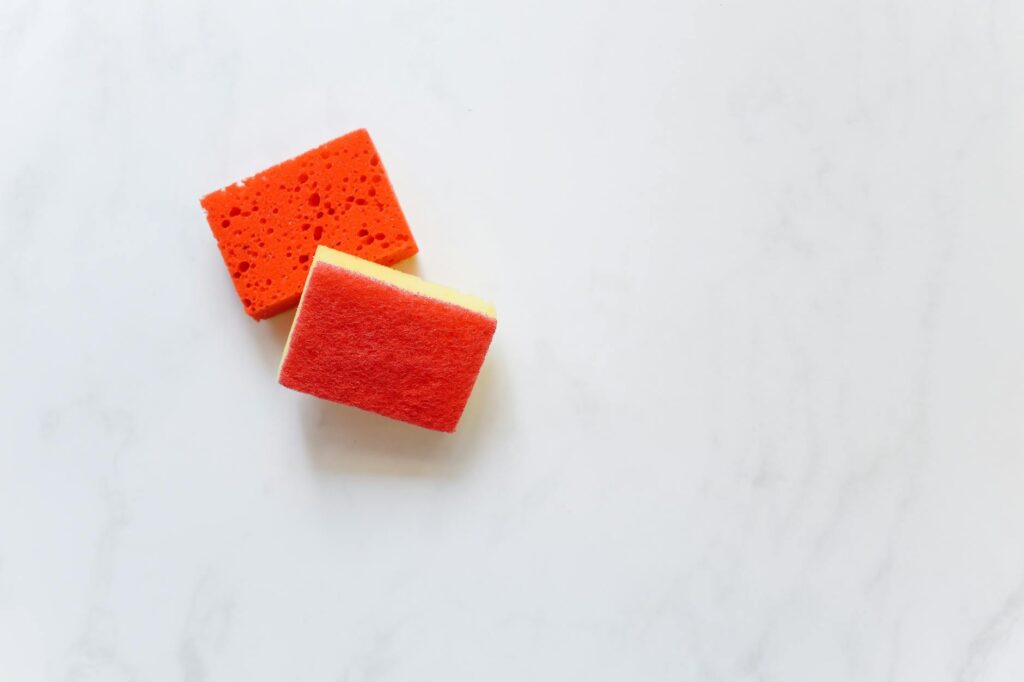
Kitchen Sponge Stains Kitchen Guide Part 2
Introduction
Kitchen sponges are indispensable tools in our daily cleaning routines, but they can quickly become stained and harbor bacteria if not properly maintained. This guide will walk you through understanding the causes of kitchen sponge stains, how to effectively clean and maintain your sponges, and tips for preventing future stains.
What Causes Kitchen Sponge Stains?
Kitchen sponge stains are often the result of food particles, grease, and soap scum building up over time. These residues create an environment where bacteria can thrive, leading to unpleasant odors and discoloration. Common sources of these stains include:
- Food debris: Leftover bits of food can become trapped in the sponge fibers.
- Grease: Cooking oils and fats cling to sponges, causing dark stains.
- Soap residue: Over time, the soap used to clean dishes can leave behind a film that attracts dirt.
- Hard water: Minerals in hard water can leave unsightly spots and discoloration.
- Frequent use: Sponges are used daily, leading to quick accumulation of dirt and grime.
- Improper drying: If sponges remain damp, they can develop mildew and odors, which can lead to staining.
- Neglect: Failing to clean sponges regularly allows stains to set in, making them harder to remove.
- Neglecting to clean regularly: Clean your sponges at least once a week to prevent buildup.
- Using a dry sponge: Always ensure your sponge is damp before using it in the microwave.
- Not replacing old sponges: Replace sponges every 1-2 weeks, or sooner if they show signs of wear and tear.
- Using bleach excessively: While bleach is effective, overuse can weaken the sponge material.
- Rinse immediately after use: Rinse sponges after each use to remove food particles and grease.
- Store properly: Keep sponges in a well-ventilated area to allow them to dry completely.
- Use multiple sponges: Designate different sponges for different tasks (e.g., one for dishes, another for countertops) to minimize cross-contamination.
- Consider alternatives: Explore alternative cleaning tools like microfiber cloths, which can be easier to maintain and less prone to staining.
Why This Problem Happens
Sponges are porous and absorbent, making them excellent for cleaning but also prone to staining. The following factors contribute to the problem:
How to Fix Kitchen Sponge Stains (Step-by-Step)
Cleaning stained sponges is essential for maintaining hygiene in your kitchen. Here’s how to restore your sponge:
Step 1: Rinse the Sponge
Start by rinsing the sponge under hot water. This helps to remove any loose food particles or debris.
Step 2: Soak in Vinegar Solution
Create a solution using equal parts white vinegar and water. Submerge the sponge in this mixture for about 5-10 minutes. Vinegar acts as a natural disinfectant and helps break down stains.
Step 3: Scrub the Sponge
After soaking, use a soft-bristled brush or your fingers to gently scrub the sponge. Pay special attention to any stained areas.
Step 4: Rinse Again
Thoroughly rinse the sponge under hot water to remove any remaining vinegar and dirt.
Step 5: Dry the Sponge
To prevent future stains and odors, squeeze out excess water and allow the sponge to air dry completely. You can place it in a well-ventilated area or near a sunny window.
Step 6: Sanitize (Optional)
For added sanitation, you can microwave the damp sponge on high for 1-2 minutes (ensure it’s wet to avoid fire hazards). This method kills bacteria effectively.
Best Cleaning Methods
Different cleaning methods can be more effective depending on the type of stain. Here are some of the best options:
1. Baking Soda Paste
Mix baking soda with a little water to form a paste. Apply it to stained areas and scrub gently. Baking soda is a natural abrasive and deodorizer.
2. Bleach Solution
For tough stains, mix one tablespoon of bleach in a quart of water. Soak the sponge for a few minutes, then rinse thoroughly. Use this method sparingly, as bleach can degrade sponges over time.
3. Dish Soap and Hot Water
A mixture of dish soap and hot water can help remove grease stains. Soak the sponge in this solution for about 10 minutes, then scrub and rinse.
4. Hydrogen Peroxide
Hydrogen peroxide can be used for disinfecting and stain removal. Apply it directly to the stained area, let it sit for a few minutes, then rinse.
Common Mistakes to Avoid
Avoid these pitfalls to keep your sponges clean and stain-free:
Prevention Tips
Taking proactive steps can significantly reduce staining and extend the life of your sponges:
Frequently Asked Questions
1. How often should I replace my kitchen sponge?
You should replace your kitchen sponge every 1-2 weeks, depending on usage. If it smells bad or shows significant wear, it’s time for a replacement.
2. Can I wash my sponge in the dishwasher?
Yes, you can place sponges on the top rack of your dishwasher for a thorough clean. This method is effective at sanitizing them.
3. Are there sponges that resist staining better?
Yes, look for sponges labeled as “antimicrobial” or “stain-resistant” to minimize staining and odors.
4. Can I use vinegar and baking soda together for cleaning?
While vinegar and baking soda can be effective separately, do not mix them together directly as they will neutralize each other’s cleaning properties. Use one after the other.
5. What should I do if my sponge still smells after cleaning?
If your sponge continues to smell after cleaning, consider soaking it in a mixture of water and baking soda overnight. If the smell persists, it may be time to replace it.
6. Is it safe to use bleach on sponges?
Bleach can be effective for sanitizing but should be used sparingly, as it can degrade the sponge material over time. Always rinse thoroughly afterward.
By following these guidelines, you can effectively manage kitchen sponge stains and maintain a clean, hygienic kitchen environment. Regular care and preventative measures will keep your sponges in top shape and prolong their lifespan.