
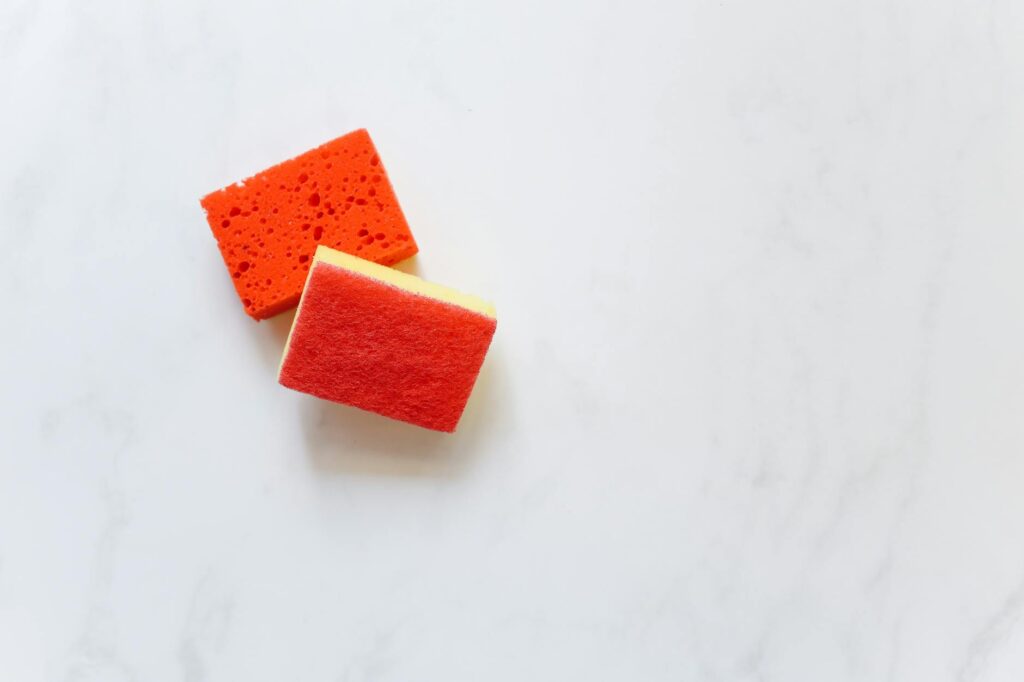
Kitchen Sponge Stains Kitchen Guide Part 1
Introduction
Kitchen sponges are essential tools for cleaning, but they can quickly become stained, smelly, and less effective if not maintained properly. Stains on kitchen sponges can harbor bacteria, making them not just unsightly but also potentially harmful. This guide will help you understand the causes of sponge stains, how to effectively clean them, and ways to prevent future issues.
What Causes Kitchen Sponge Stains?
Kitchen sponges can develop stains from several common sources:
1. Food Residue: Bits of food left on the sponge can lead to discoloration and stains.
2. Grease and Oil: Cooking oils and grease can seep into the sponge fibers, creating persistent stains.
3. Bacterial Growth: Sponges are moist environments that can promote the growth of bacteria, leading to yellow or greenish stains.
4. Hard Water: Minerals in hard water can leave deposits on sponges, causing them to look dull or stained.
Why This Problem Happens
Understanding why kitchen sponges become stained is crucial for effective cleaning. The porous nature of sponges makes them excellent for soaking up spills, but this also allows them to trap food particles and moisture. When sponges are not cleaned or dried properly, they can become breeding grounds for bacteria and fungi, which not only cause stains but also unpleasant odors. Additionally, prolonged exposure to food and grease can lead to discoloration that is difficult to remove.
How to Fix Kitchen Sponge Stains (Step-by-Step)
If you’ve noticed stains on your kitchen sponge, follow these simple steps to bring it back to life:
Step 1: Rinse Thoroughly
Start by rinsing your sponge under warm running water to remove any loose debris or food particles.
Step 2: Soak in Vinegar Solution
- Mix equal parts of water and white vinegar in a bowl.
- Submerge the sponge in the solution for about 5-10 minutes.
- Vinegar is a natural disinfectant and can help lift stains.
- After soaking, sprinkle baking soda directly onto the sponge.
- Use a brush or your hands to scrub the sponge gently.
- Baking soda acts as a mild abrasive to remove stubborn stains.
Step 3: Scrub with Baking Soda
Step 4: Rinse Again
Rinse the sponge thoroughly under warm water to wash away the vinegar and baking soda residues.
Step 5: Microwave (Optional)
For further disinfection, place the damp sponge in the microwave on high for 1-2 minutes. Ensure that the sponge is wet to prevent it from catching fire.
Step 6: Air Dry
Finally, place the sponge in a well-ventilated area to air dry completely. Avoid placing it in a closed space where moisture can accumulate.
Best Cleaning Methods
Here are some of the most effective cleaning methods to tackle sponge stains:
1. Vinegar Soak: As mentioned, a vinegar soak can effectively lift stains and disinfect your sponge.
2. Baking Soda Scrub: This method is excellent for scrubbing away tough stains without damaging the sponge.
3. Bleach Solution: If your sponge is heavily stained and the above methods don’t work, consider using a diluted bleach solution (1 tablespoon of bleach in 1 quart of water). Soak the sponge for 5 minutes, then rinse thoroughly.
4. Dish Soap and Hot Water: A simple combination of dish soap and hot water can also help break down grease and grime.
Common Mistakes to Avoid
While cleaning sponges, avoid these common pitfalls:
1. Using Too Much Pressure: Scrubbing too hard can damage the sponge material and reduce its lifespan.
2. Neglecting to Rinse: Failing to rinse out cleaning agents can lead to residue buildup and make the sponge less effective.
3. Overusing Sponges: If your sponge is heavily stained or smells bad after cleaning, it may be time to replace it rather than trying to revive it.
4. Storing Wet Sponges: Always ensure your sponge is dried out between uses to prevent bacterial growth.
Prevention Tips
To keep your kitchen sponge stain-free and prolong its life, consider these prevention strategies:
1. Rinse After Use: Always rinse your sponge thoroughly after each use to remove food particles.
2. Dry Properly: Store your sponge in a well-ventilated area to ensure it dries completely.
3. Rotate Sponges: Use multiple sponges and rotate them regularly to give each one time to dry out.
4. Use a Sponge Holder: Consider using a sponge holder that allows airflow around the sponge to help it dry more efficiently.
5. Change Sponges Regularly: Replace your sponge every 2-4 weeks, especially if you notice persistent stains or odors.
Frequently Asked Questions
1. How often should I replace my kitchen sponge?
It’s recommended to replace your kitchen sponge every 2-4 weeks, depending on usage.
2. Can I use the microwave to disinfect any sponge?
Yes, but ensure that the sponge is damp and microwave-safe. Avoid using metal or sponges with metallic fibers.
3. What is the best way to prevent sponge odors?
Make sure to rinse and dry your sponge thoroughly after each use. Consider using a sponge holder for better airflow.
4. Are there any sponges that resist staining better than others?
Yes, some sponges are designed with antimicrobial properties that help resist staining and odors. Look for brands that specify this feature.
5. Can I use bleach to clean my sponge?
Yes, a diluted bleach solution can be effective for heavy stains but be sure to rinse thoroughly afterward.
6. Why do some sponges turn yellow?
Yellowing can occur due to grease buildup or bacterial growth. Regular cleaning and proper drying can help prevent this.
By following the steps outlined in this guide, you can effectively manage kitchen sponge stains and maintain a clean and hygienic kitchen environment. Keep your sponges fresh, and they’ll serve you well in your cooking and cleaning tasks!