
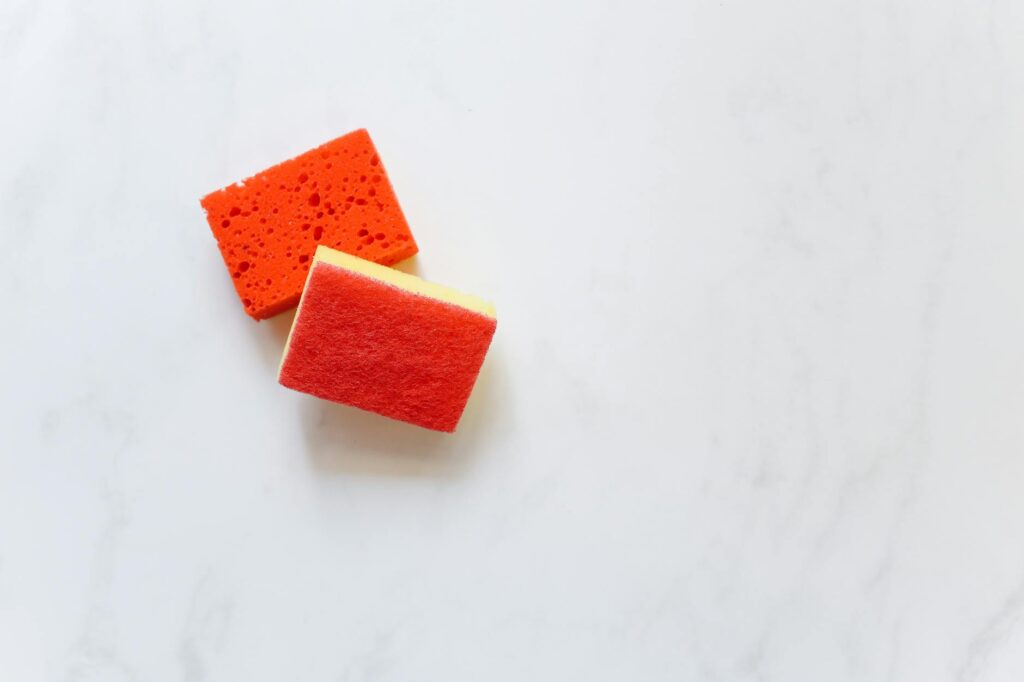
Kitchen Sponge Stains Cleaning Guide Part 2
Introduction
Kitchen sponges are essential tools in our daily cleaning routines. However, they can quickly become stained and harbor bacteria if not maintained properly. In this guide, we’ll explore the causes of sponge stains, how to effectively clean them, and methods to prevent future staining.
What Causes Cleaning?
Kitchen sponges can develop stains from various sources, primarily food residues, grease, and moisture. Common culprits include:
- Food Particles: Leftover food can cling to the sponge, leading to discoloration.
- Grease: Oils from cooking can penetrate the sponge material.
- Bacteria: Bacteria thrive in moist environments, leading to unsightly stains and odors.
- Not Cleaning Regularly: Make it a habit to clean your sponge weekly.
- Ignoring Drying: Always dry your sponge completely to prevent mold and bacteria growth.
- Using Old Sponges: Replace sponges every 2-4 weeks or sooner if they are heavily stained or worn out.
- Cross-Contamination: Use separate sponges for dishes and surfaces to minimize staining and bacterial transfer.
Understanding these causes is the first step in tackling the problem effectively.
Why This Problem Happens
Stains occur when sponges are not cleaned or dried properly. The porous nature of sponges makes them a magnet for dirt and grime. When combined with moisture, these elements become breeding grounds for bacteria, resulting in stains and unpleasant smells.
Additionally, using the same sponge for multiple tasks—like wiping counters and scrubbing dishes—can lead to cross-contamination, making stains more likely.
How to Fix Cleaning (Step-by-Step)
Cleaning stained sponges is straightforward. Follow these steps to restore your sponge to its original condition.
Step 1: Rinse Thoroughly
Start by rinsing the sponge under warm water to remove any loose food particles or debris.
Step 2: Soak in Vinegar Solution
Mix equal parts of white vinegar and water in a bowl. Submerge the sponge in the solution and let it soak for about 5 to 10 minutes. Vinegar is a natural disinfectant and helps break down grease.
Step 3: Scrub the Stains
After soaking, use a soft brush or your hands to gently scrub the sponge, focusing on stained areas. If necessary, apply a bit of baking soda to enhance cleaning power.
Step 4: Rinse Again
Rinse the sponge thoroughly under warm water to remove any remaining vinegar and baking soda.
Step 5: Dry Completely
To prevent future stains, it’s crucial to dry the sponge completely. Wring it out and place it in a well-ventilated area or microwave it for 30 seconds (without metal parts) to kill remaining bacteria and aid drying.
Best Cleaning Methods
Different cleaning methods can be employed depending on the severity of the stains. Here are some effective options:
1. Bleach Solution
For tougher stains, a diluted bleach solution can be effective. Mix one tablespoon of bleach with one quart of water. Soak the sponge for 5 minutes, then rinse thoroughly. Note: This method is not suitable for colored sponges.
2. Dish Soap and Hot Water
A classic option involves soaking the sponge in hot water mixed with dish soap. This method can effectively lift grease and stains.
3. Baking Soda Paste
Make a paste using baking soda and water. Apply it to the stained areas, let it sit for 10 minutes, and then scrub and rinse.
4. Lemon Juice
The acidity in lemon juice can help break down stains. Soak the sponge in a mix of lemon juice and water, then rinse thoroughly.
Common Mistakes to Avoid
To maintain the life and cleanliness of your sponge, avoid these common mistakes:
Prevention Tips
Taking preventive measures can help maintain the cleanliness of your kitchen sponge:
1. Use Two Sponges: Designate one for dishes and another for surfaces.
2. Store Properly: Keep sponges in a well-ventilated area to promote drying.
3. Rinse After Use: Always rinse your sponge thoroughly after each use to remove food particles.
4. Rotate Sponges: Have multiple sponges on hand and rotate them regularly.
5. Microwave Weekly: Sanitize your sponge weekly by microwaving it for 30 seconds (ensure it’s damp and contains no metal).
6. Use a Sponge Holder: Consider using a sponge holder that allows for drainage and airflow.
Frequently Asked Questions
1. How often should I replace my kitchen sponge?
You should replace your kitchen sponge every 2-4 weeks, or sooner if it shows signs of wear or heavy staining.
2. Can I put my sponge in the dishwasher?
Yes, you can place sponges on the top rack of your dishwasher for cleaning. Ensure they are dishwasher-safe and allow them to dry completely afterward.
3. Are there specific sponges that resist stains better?
Yes, some sponges are made with antimicrobial properties or are designed to be more stain-resistant. Look for these features when purchasing new sponges.
4. Is it safe to clean sponges with bleach?
Yes, but use it cautiously. Dilute bleach before soaking your sponge, and ensure you rinse it thoroughly afterward. Avoid using bleach on colored sponges.
5. What’s the best way to dry my sponge after washing?
Wring the sponge out well and place it in a well-ventilated area. You can also microwave it for 30 seconds to help with sanitizing and drying.
6. Can I use vinegar to clean all types of sponges?
Vinegar is safe for most sponges, but check the manufacturer’s instructions first. Avoid using vinegar on sponges that are sensitive to acidic solutions.
By following this guide, you can effectively tackle kitchen sponge stains, prolong the life of your sponges, and maintain a cleaner kitchen. Regular maintenance and smart cleaning methods will keep your sponges fresh and stain-free, contributing to a healthier home environment.