
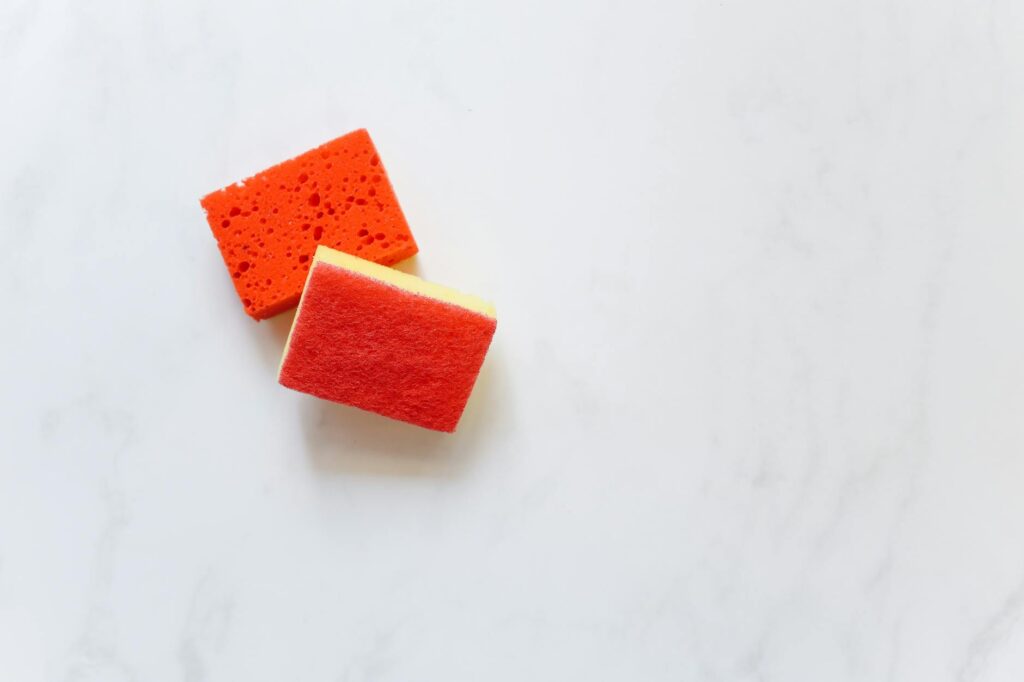
Kitchen Sponge Stains Cleaning Guide Part 1
Introduction
Kitchen sponges are essential tools in maintaining cleanliness in our kitchens. However, they can easily become stained, dingy, and even smelly if not properly cared for. In this guide, we’ll delve into the causes of kitchen sponge stains, effective cleaning methods, common mistakes to avoid, and tips to prevent stains from recurring. Let’s get your sponges looking and smelling fresh!
What Causes Stains?
Stains on kitchen sponges typically arise from food residue, grease, and bacteria buildup. Here are the main culprits:
1. Food Particles: Leftover food can cling to sponges, leading to discoloration.
2. Grease: Cooking oils can penetrate the sponge, making it look greasy and stained.
3. Bacteria: Sponges are breeding grounds for bacteria, which can create unpleasant odors and stains.
4. Coloring Agents: Foods like tomatoes, turmeric, and beets can leave behind stubborn stains.
Why This Problem Happens
Kitchen sponges are often damp and warm, creating an ideal environment for bacteria to thrive. When combined with food particles and grease, these conditions lead to stains and foul smells. Moreover, many people neglect to clean their sponges regularly, allowing stains to set in and bacteria to multiply.
How to Fix Stains (Step-by-Step)
Step 1: Assess the Sponge
First, check the condition of your sponge. If it’s excessively worn or has a foul odor, it may be time to replace it. If it’s still usable, proceed with the cleaning steps below.
Step 2: Rinse Thoroughly
Rinse your sponge under hot running water to remove any loose debris. Be sure to squeeze out excess water.
Step 3: Choose a Cleaning Method
Depending on the type of stains and the sponge material, you can choose one of the following cleaning methods:
- Bleach Solution: Mix one tablespoon of bleach with one quart of water. Soak the sponge for 5 minutes, then rinse thoroughly.
- Vinegar Solution: Fill a bowl with equal parts vinegar and water. Soak the sponge for 30 minutes, then rinse.
- Baking Soda Paste: Mix baking soda with a little water to create a paste. Apply this to the stained areas and scrub gently.
Step 4: Dry the Sponge
After cleaning, it’s essential to dry the sponge completely. Squeeze out excess water and place it in a well-ventilated area to air dry.
Step 5: Sanitize Regularly
To prevent future stains, sanitize your sponge weekly using your preferred cleaning solution.
Best Cleaning Methods
1. Microwave Method
Microwaving a damp sponge for 1-2 minutes can kill bacteria and help eliminate odors. Ensure the sponge is wet to prevent fire hazards. Be cautious when removing it, as it will be hot.
2. Dishwasher Method
Place your sponge in the top rack of your dishwasher during a regular wash cycle. The heat and detergent will help sanitize and clean it.
3. Salt and Lemon
Sprinkle coarse salt on the sponge, then rub it with half a lemon. This natural method can help lift stains and eliminate odors.
Common Mistakes to Avoid
1. Not Cleaning Regularly: Failing to clean sponges regularly allows stains and bacteria to accumulate.
2. Using Old Sponges: Holding onto sponges that are worn out or heavily stained can pose health risks.
3. Ignoring Odors: If your sponge smells bad, it’s a sign that it needs immediate cleaning or replacement.
4. Overusing Cleaning Solutions: Using too much bleach or other chemicals can damage the sponge and may not effectively eliminate stains.
Prevention Tips
1. Rinse After Use: Always rinse your sponge after each use to remove food particles and grease.
2. Store Properly: Keep your sponge in a dry, well-ventilated area to discourage bacteria growth.
3. Rotate Sponges: Use multiple sponges and rotate them to allow for regular cleaning and drying.
4. Use Disposable Options: Consider using disposable sponges for particularly messy tasks to minimize staining.
Frequently Asked Questions
1. How often should I replace my kitchen sponge?
It’s advisable to replace your kitchen sponge every 2-4 weeks, depending on usage and condition.
2. Can I wash my sponge in the washing machine?
Yes, you can wash your sponge in the washing machine on a gentle cycle, but be sure to let it air dry afterward.
3. What’s the best way to sanitize my sponge?
Microwaving or using a bleach solution are effective methods for sanitizing your sponge.
4. Are there sponges that resist staining?
Yes, some sponges are designed to resist staining and odors. Look for products labeled as “antibacterial” or “odor-resistant.”
5. Can I use vinegar and baking soda together?
While both are effective cleaning agents, avoid mixing them directly as they neutralize each other. Use them separately for best results.
6. What should I do if my sponge becomes too smelly?
If your sponge develops a strong odor, try soaking it in vinegar or a bleach solution. If the smell persists, it’s best to replace it.
By following these guidelines, you can keep your kitchen sponges clean, fresh, and effective for all your cleaning needs. Stay tuned for Part 2 of this guide for more in-depth cleaning tips and techniques!