
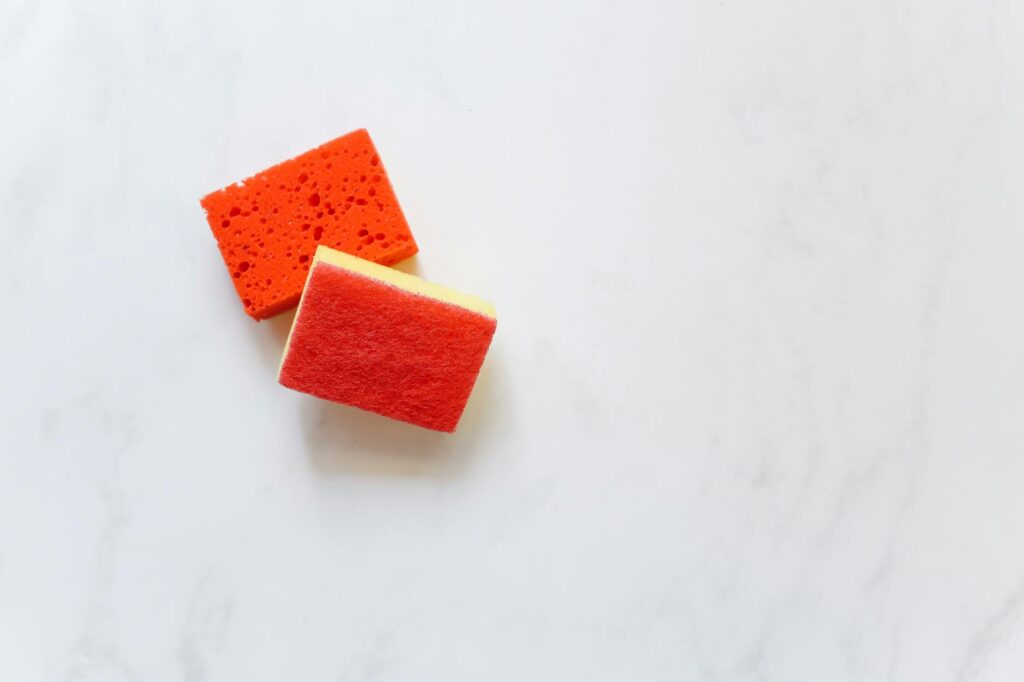
Kitchen Sponge Smell Stains Guide Part 1
Introduction
Kitchen sponges are essential tools for cleaning, but they often become a breeding ground for unpleasant odors and stains. Understanding how to tackle these issues can extend the lifespan of your sponge and keep your kitchen smelling fresh. This guide will cover everything you need to know about kitchen sponge smell stains, from their causes to effective remedies.
What Causes Stains?
Kitchen sponge smell stains primarily result from food particles, grease, and bacteria accumulation. Here are some common culprits:
- Food Residue: Leftover food particles can cling to the sponge, leading to both discoloration and odors.
- Bacteria Growth: Sponges are moist environments; this moisture combined with food debris creates an ideal setting for bacteria, which contributes to bad smells.
- Oils and Grease: Cooking oils can penetrate the sponge material, leading to sticky stains that are hard to remove.
- Mold and Mildew: If sponges are not dried properly, they can develop mold, which not only stains but also creates a foul smell.
- Frequent Use: Sponges are used daily for various tasks, making them prone to wear and tear.
- Moisture Retention: Sponges are designed to absorb liquid, but this moisture can also lead to bacterial growth if they are not properly dried.
- Inconsistent Cleaning Habits: Many people clean their sponges infrequently or inadequately, allowing stains and odors to build up over time.
- Mix equal parts of white vinegar and water.
- Soak for 5-10 minutes.
- Rinse and dry.
- Combine baking soda with a bit of water to form a paste.
- Apply the paste to stained areas.
- Scrub and rinse thoroughly.
- Mix one tablespoon of bleach with a quart of water.
- Soak the sponge for 5 minutes. (Use gloves!)
- Rinse thoroughly and dry.
- Wet the sponge and place it in the microwave for 2 minutes.
- Be cautious as it can be very hot. Allow it to cool before handling.
- Place the sponge on the top rack of your dishwasher during a cleaning cycle for a thorough clean.
Why This Problem Happens
The kitchen is often a busy place, and sponges can easily become neglected. Here’s why kitchen sponge smells and stains are common:
How to Fix Stains (Step-by-Step)
Removing stains and odors from your kitchen sponge can be straightforward. Follow these steps:
Step 1: Inspect Your Sponge
Check for visible stains or a pungent smell. If the sponge is heavily stained or has a strong odor, it might be time to replace it.
Step 2: Rinse Thoroughly
Rinse the sponge under hot water to remove any surface debris and food particles.
Step 3: Choose a Cleaning Method
Select one of the cleaning methods outlined in the next section based on what materials you have on hand and the severity of the stains.
Step 4: Soak the Sponge
Soak the sponge in your chosen cleaning solution for about 5-10 minutes. This helps to break down stains and kill bacteria.
Step 5: Scrub Gently
After soaking, use a clean brush to gently scrub the sponge, focusing on any stained areas.
Step 6: Rinse Again
Rinse the sponge thoroughly under hot water to remove any cleaning solution and loosened debris.
Step 7: Dry
Squeeze out excess water and place the sponge in a well-ventilated area to dry completely. Avoid leaving it in a closed container or on a wet surface.
Best Cleaning Methods
Here are some effective methods for cleaning kitchen sponges:
1. Vinegar and Water
2. Baking Soda Paste
3. Bleach Solution
4. Microwave Method
5. Dishwasher
Common Mistakes to Avoid
Avoid these pitfalls to maintain a cleaner, fresher sponge:
1. Neglecting Regular Cleaning: Don’t wait for stains and smells to worsen; clean your sponge regularly.
2. Using Too Much Cleaning Solution: Excessive soap or cleaning products can cause residue buildup.
3. Not Drying Properly: Always allow your sponge to dry completely to prevent mold and mildew.
4. Forgetting to Replace: Sponges have a limited lifespan. Replace them every 3-4 weeks, or sooner if they show signs of wear.
Prevention Tips
Follow these tips to prevent stains and odors in your kitchen sponge:
1. Use Separate Sponges: Keep different sponges for dishes and surfaces to minimize cross-contamination.
2. Rinse After Use: Always rinse the sponge thoroughly after each use to remove food particles.
3. Store in a Dry Place: Ensure your sponge is stored in a well-ventilated area to prevent moisture buildup.
4. Rotate Sponges: Have multiple sponges and rotate them regularly to give each one a chance to dry out completely.
5. Use a Sponge Holder: Invest in a holder that allows the sponge to drain and dry effectively.
Frequently Asked Questions
1. How often should I replace my kitchen sponge?
You should replace your kitchen sponge every 3-4 weeks, or sooner if it shows signs of wear or odor.
2. Can I wash my sponge in the washing machine?
Yes, you can wash your sponge in the washing machine, but ensure it is placed in a mesh bag to prevent it from disintegrating.
3. Is it safe to use bleach on sponges?
Yes, using a diluted bleach solution is effective for disinfecting sponges, but always rinse thoroughly afterward.
4. How can I tell if my sponge is too old to use?
If your sponge is discolored, has a strong odor, or is falling apart, it’s time to replace it.
5. What is the best way to store my sponge?
Store your sponge in a holder that allows for drainage and airflow, avoiding closed containers.
6. Can I use essential oils to freshen my sponge?
Yes, adding a few drops of essential oils like tea tree or lavender to your cleaning solution can help freshen your sponge while providing antibacterial properties.
By following these guidelines, you can effectively tackle kitchen sponge smell stains and maintain a cleaner, more pleasant kitchen environment. Stay tuned for Part 2, where we’ll delve deeper into advanced cleaning techniques and tips!