
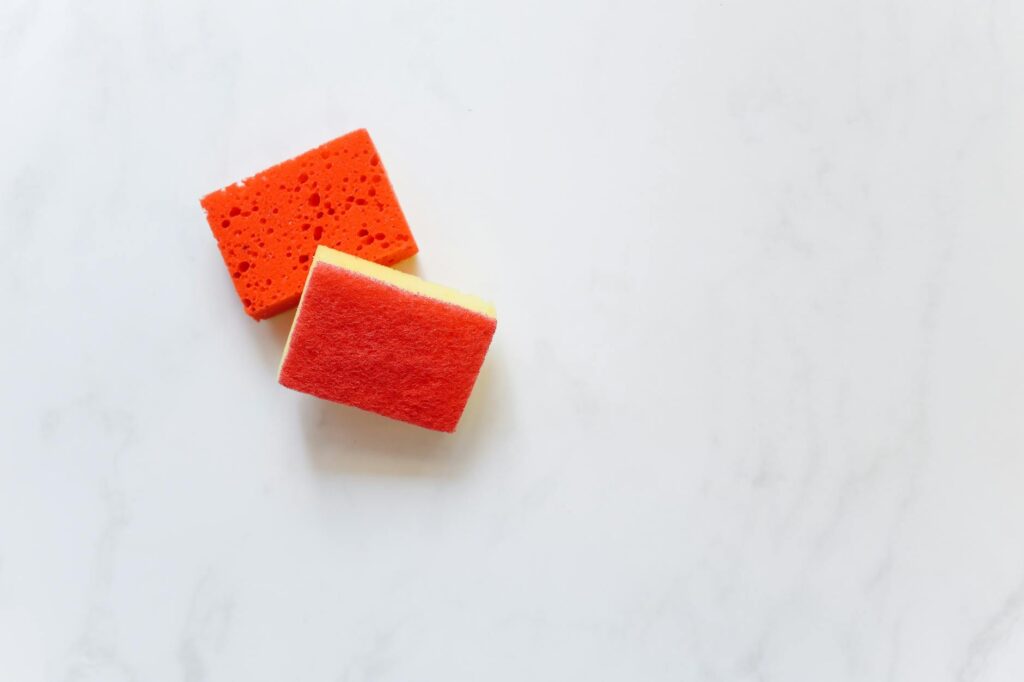
Kitchen Sponge Smell Odours Guide Part 2
Introduction
A smelly kitchen sponge is more than just an unpleasant odor; it’s a sign of bacteria buildup that can affect the cleanliness of your kitchen. In this guide, we’ll explore the causes of kitchen sponge odors, why they develop, and practical steps you can take to eliminate these smells effectively. We’ll also cover the best cleaning methods, common mistakes to avoid, and tips for preventing odors from returning.
What Causes Odours?
Kitchen sponges often harbor bacteria, mold, and food particles, which contribute to unpleasant smells. The damp environment of a sponge makes it an ideal breeding ground for these microorganisms. Here are the primary culprits:
- Bacteria: Sponges can accumulate bacteria from food residue, especially if not rinsed thoroughly.
- Moisture: A wet sponge retains moisture, fostering an environment for mold and mildew.
- Food particles: Small bits of food can get trapped in the sponge, leading to decomposition and odor.
- Improper storage: Storing a sponge in a closed container can trap moisture and exacerbate odor issues.
- Frequent Use: Regularly cleaning dishes can lead to quicker bacteria buildup.
- Inadequate Drying: If a sponge is left wet, it becomes a breeding ground for bacteria and mold.
- Type of Sponge: Some sponges are more porous and retain moisture longer, increasing the chances of odor.
- Neglect: Many homeowners forget to clean or replace their sponges, allowing odors to develop over time.
- Fill a bowl with equal parts white vinegar and water.
- Submerge the sponge in the solution for 5-10 minutes. Vinegar is a natural deodorizer and will help kill bacteria.
- After soaking, wring out the sponge and place it in the microwave.
- Heat on high for 1-2 minutes. Ensure the sponge is damp to prevent fire hazards. This method kills bacteria effectively.
- If odors persist, sprinkle baking soda on the sponge and scrub it gently.
- Rinse thoroughly afterward. Baking soda is a natural deodorizer and can absorb lingering smells.
- Dishwasher: Place the sponge on the top rack of your dishwasher during a regular cycle. The heat and detergent will help sanitize the sponge.
- Bleach Solution: For a deep clean, mix one tablespoon of bleach with one quart of water. Soak the sponge for 5 minutes, then rinse thoroughly. Use this method sparingly, as excessive bleach can degrade the sponge material.
- Hydrogen Peroxide: Soaking the sponge in a mixture of hydrogen peroxide and water can also kill bacteria. Use a ratio of 1:1 and soak for 5-10 minutes.
- Ignoring Regular Cleaning: Failing to clean your sponge regularly allows bacteria to thrive.
- Storing Wet Sponges: Always let your sponge dry out between uses. Never store it in a sealed container.
- Using Damaged Sponges: If a sponge becomes frayed or excessively worn, replace it. Old sponges are less effective at cleaning and can harbor more bacteria.
- Overlooking Cleaning Tools: Don’t just focus on the sponge; clean other kitchen tools like dishcloths and scrub brushes, which can also harbor bacteria.
- Squeeze and Rinse: After each use, thoroughly rinse out your sponge and squeeze out excess water.
- Rotate Sponges: Keep multiple sponges on hand and rotate them regularly to allow for drying time.
- Use a Sponge Holder: Invest in a sponge holder that allows air circulation and drainage.
- Replace Regularly: Change your kitchen sponge every 2-4 weeks, or sooner if it starts to smell.
- Use Disposable Options: Consider using disposable cleaning pads for particularly tough jobs to minimize odor buildup.
Why This Problem Happens
Understanding why your sponge smells is crucial for effective cleaning. The factors that contribute to odors include:
How to Fix Odours (Step-by-Step)
If your sponge has developed a smell, follow these simple steps to eliminate the odor:
1. Rinse Thoroughly: Begin by rinsing the sponge under hot water. This helps remove food particles and excess bacteria.
2. Soak in Vinegar:
3. Microwave Method:
4. Baking Soda Treatment:
5. Air Dry: After cleaning, place your sponge in a well-ventilated area to dry completely. Avoid sealing it in a container.
Best Cleaning Methods
To keep your kitchen sponge odor-free, consider these effective cleaning methods:
Common Mistakes to Avoid
Avoid these common pitfalls when dealing with kitchen sponge odors:
Prevention Tips
To prevent kitchen sponge odors from developing in the first place, consider these proactive measures:
Frequently Asked Questions
1. How often should I replace my kitchen sponge?
It’s best to replace your kitchen sponge every 2-4 weeks, depending on usage and condition.
2. Can I use a smelly sponge for cleaning?
Using a smelly sponge is not recommended, as it can transfer bacteria to your dishes and surfaces.
3. What’s the best way to dry a sponge?
Air drying is the best method. Place the sponge in a well-ventilated area, preferably upright, to allow moisture to escape.
4. Is it safe to microwave my sponge to clean it?
Yes, microwaving a damp sponge for 1-2 minutes can effectively kill bacteria, but ensure it’s damp to prevent fire hazards.
5. Can I use bleach to clean my sponge?
Yes, a bleach solution can be effective, but use it sparingly as it can degrade the sponge material over time.
6. What are the signs that I need to replace my sponge?
If your sponge is frayed, discolored, or has a persistent odor even after cleaning, it’s time to replace it.
With this guide, you should have all the tools you need to combat kitchen sponge odors effectively. Regular maintenance and proper cleaning methods will keep your kitchen sponges fresh and your kitchen clean.