
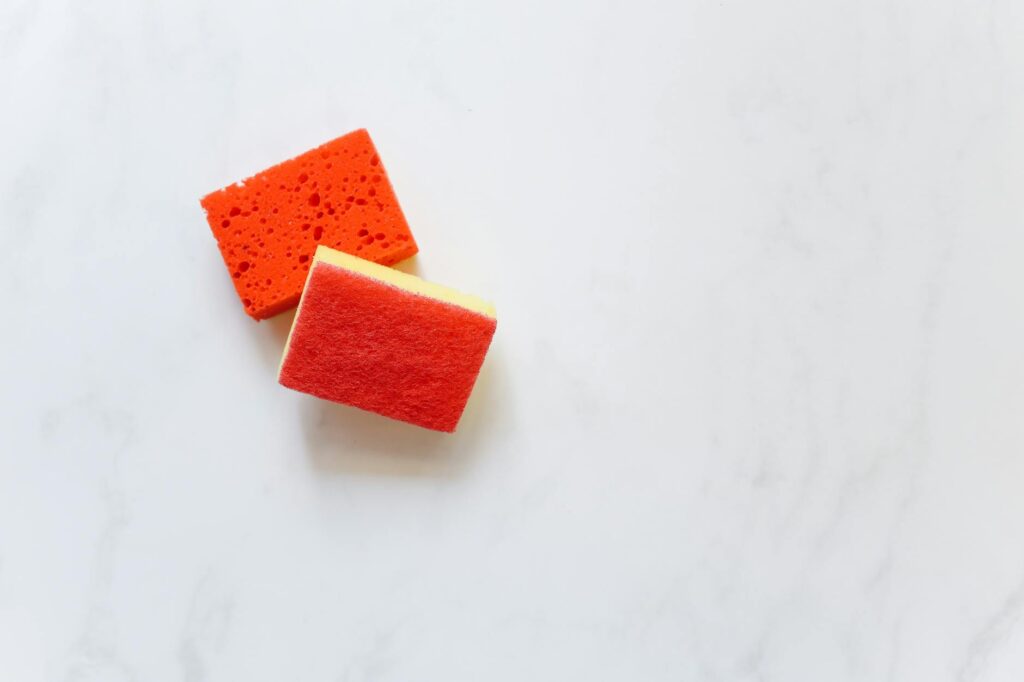
Kitchen Sponge Smell Odours Guide Part 1
Introduction
Kitchen sponges are essential for maintaining cleanliness in your home. However, they can quickly develop unpleasant odours if not properly cared for. These smells not only make your kitchen uninviting but can also indicate the presence of bacteria. This guide will help you understand the causes of sponge odours, how to fix them, and how to prevent them in the future.
What Causes Odours?
Kitchen sponge odours primarily come from the accumulation of food particles, moisture, and bacteria. Here are the main culprits:
1. Bacteria Growth: Sponges are a breeding ground for bacteria due to their porous structure and the moisture they retain.
2. Food Residue: Tiny bits of food can get trapped in the sponge fibers, leading to decay and foul smells.
3. Mold and Mildew: If sponges are not dried properly, mold and mildew can form, contributing to unpleasant odours.
4. Chemical Reactions: Some sponges contain synthetic materials that can emit odours over time, especially when exposed to moisture.
Why This Problem Happens
The kitchen sponge is often in a damp environment, making it an ideal location for bacteria and mold to thrive. Here’s why this problem occurs:
- Lack of Cleaning: Many homeowners neglect to clean their sponges regularly, allowing bacteria to multiply.
- Improper Drying: Leaving sponges in wet areas, such as the sink, prevents them from drying out and encourages odour development.
- Frequent Use: The more you use a sponge, the more food particles and bacteria it collects, increasing the likelihood of unpleasant smells.
- Vinegar Solution: Mix equal parts of white vinegar and water. Soak the sponge for 5–10 minutes.
- Bleach Solution: Mix one tablespoon of bleach in a quart of water. Soak for 5 minutes (avoid if you are sensitive to bleach).
- Baking Soda Paste: Mix baking soda with a little water to form a paste. Rub it on the sponge and let it sit for 10 minutes.
How to Fix Odours (Step-by-Step)
If your sponge has developed an unpleasant odour, follow these steps to eliminate the smell:
Step 1: Inspect the Sponge
Check for visible signs of wear and tear. If your sponge is frayed, it’s time to replace it.
Step 2: Rinse Thoroughly
Rinse the sponge under hot water to remove any food particles. Make sure to squeeze it to get rid of excess moisture.
Step 3: Soak in a Cleaning Solution
Create a cleaning solution using one of the following options:
Step 4: Rinse Again
After soaking, rinse the sponge thoroughly under hot water to remove any cleaning solution.
Step 5: Dry Properly
Place the sponge in a well-ventilated area to dry completely. Avoid leaving it in the sink or a closed container.
Best Cleaning Methods
Here are the most effective cleaning methods to keep your sponge fresh:
1. Microwave Method: Wet the sponge and place it in the microwave for 1–2 minutes. This kills most bacteria but ensure the sponge is microwave-safe.
2. Dishwasher Method: Place the sponge on the top rack of your dishwasher during a hot cycle. The heat and detergent will help eliminate odours and bacteria.
3. Vinegar and Water Soak: Regularly soaking your sponge in a vinegar solution can help keep it odour-free.
4. Baking Soda Scrub: Use baking soda as a gentle abrasive to scrub away food particles and odours.
Common Mistakes to Avoid
To maintain a fresh sponge, avoid these common mistakes:
1. Neglecting to Clean: Don’t forget to clean your sponge regularly. A weekly routine can make a significant difference.
2. Using Old Sponges: Replace your sponge every 2–4 weeks. An old sponge holds more bacteria and odours.
3. Storing in Damp Areas: Avoid keeping your sponge in wet areas where it cannot dry out properly.
4. Ignoring Visible Wear: If your sponge is discolored or falling apart, it’s time for a replacement.
Prevention Tips
Preventing odours from developing in the first place is the best approach. Here are some practical tips:
1. Wring Out After Use: Always wring out your sponge after each use to reduce moisture.
2. Rotate Sponges: Use multiple sponges and rotate them to allow each one to dry thoroughly.
3. Store in a Dry Place: Keep your sponge in a dry, open space rather than a closed container or damp sink.
4. Use a Sponge Holder: Invest in a holder that allows for air circulation to keep your sponge dry.
5. Regularly Replace: Set a schedule to replace your sponges every few weeks.
Frequently Asked Questions
1. How often should I replace my kitchen sponge?
It’s best to replace your kitchen sponge every 2–4 weeks, depending on its condition and usage.
2. Can I use the microwave to clean my sponge?
Yes, microwaving a wet sponge for 1–2 minutes can kill most bacteria and help eliminate odours.
3. Is it safe to use bleach on my sponge?
Yes, but use it sparingly. A diluted bleach solution is effective, but rinse thoroughly afterward to avoid any residual chemical.
4. What should I do if my sponge is still smelly after washing?
If the smell persists, it’s likely time to replace the sponge. Some odours can be stubborn and indicate that the sponge has reached the end of its life.
5. Can I wash my sponge in the dishwasher?
Yes, placing your sponge in the dishwasher during a hot cycle can effectively clean it.
6. What’s the best way to store my sponge?
Store your sponge in a well-ventilated area to allow it to dry completely after use. Avoid storing it in damp spaces.
By understanding what causes kitchen sponge smells and how to tackle them effectively, you can keep your kitchen fresh and hygienic. Follow these steps and tips for a cleaner, more pleasant cooking environment.