
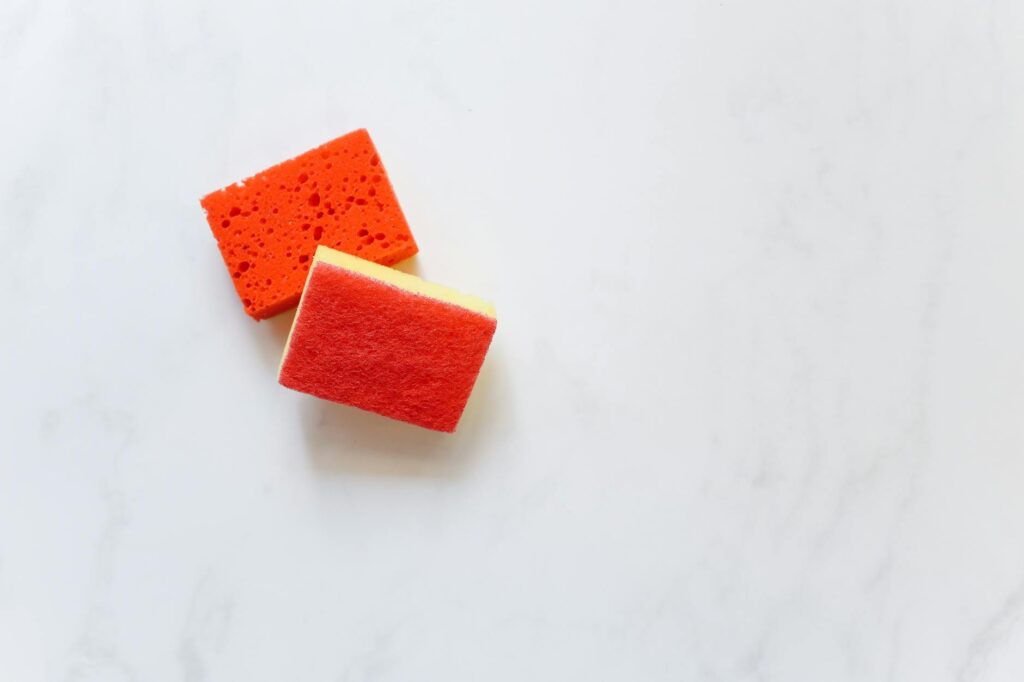
Kitchen Sponge Smell Mould & Damp Guide Part 1
Introduction
Kitchen sponges are essential tools for cleaning, but they can also become a breeding ground for mould and mildew if not properly maintained. A smelly sponge is not just unpleasant; it can also lead to unsanitary conditions in your kitchen. This guide will provide you with practical steps to understand, fix, and prevent mould and damp in your kitchen sponges.
What Causes Mould & Damp?
Mould and dampness thrive in warm, moist environments, making kitchen sponges an ideal habitat. The primary causes include:
1. Moisture Retention: Sponges absorb water, and if they are not allowed to dry completely, they create a perfect environment for mould.
2. Food Particles: Leftover food particles trapped in the sponge can promote bacterial growth, leading to unpleasant smells.
3. Poor Air Circulation: Storing sponges in closed containers or damp areas restricts airflow, preventing them from drying out.
Why This Problem Happens
Mould and damp in kitchen sponges are common because of everyday kitchen habits. Here are some reasons why this problem occurs:
- Frequent Use: Sponges are often used multiple times a day, making them consistently wet.
- Inadequate Cleaning: Many homeowners do not clean their sponges thoroughly, allowing bacteria and mould to thrive.
- Improper Storage: Storing sponges in a dark, confined space exacerbates moisture retention.
- Vinegar Soak: As mentioned, soaking the sponge in a vinegar solution is an effective way to eliminate odours and bacteria.
- Bleach Solution: For stubborn mould, a diluted bleach solution (1 tablespoon of bleach in 1 quart of water) can be used. Soak for 5 minutes, then rinse thoroughly.
- Dishwasher: Placing sponges in the dishwasher during a hot cycle can also help disinfect them.
- Ignoring the Smell: Don’t wait until a sponge smells bad to take action. Regular maintenance is key.
- Storing Wet Sponges: Avoid leaving sponges in the sink or closed containers. Always store them in a dry, open area.
- Using Old Sponges: Replace sponges every 2-4 weeks, especially if they become discolored or start to fall apart.
- Rinse Immediately: After using a sponge, rinse it thoroughly to remove food particles and soap residue.
- Rotate Sponges: Use multiple sponges and rotate them regularly to allow each one to dry completely.
- Use a Sponge Holder: Invest in a sponge holder that allows for airflow, helping the sponge to dry faster.
- Regular Cleaning: Incorporate sponge cleaning into your weekly cleaning routine to keep them fresh.
How to Fix Mould & Damp (Step-by-Step)
If you discover that your sponge has developed a smell, follow these steps to fix the problem:
Step 1: Inspect the Sponge
Check for visible signs of mould or mildew. If the sponge is discolored or has a slimy texture, it’s best to discard it.
Step 2: Wash the Sponge
For sponges that are still usable, wash them in hot, soapy water. Use a dish soap that has antibacterial properties for better results.
Step 3: Disinfect
After washing, disinfect the sponge. You can do this by soaking it in a solution of one part vinegar to two parts water for about 10 minutes. Alternatively, you can microwave the damp sponge for 1-2 minutes. Ensure it’s wet to avoid fire hazards.
Step 4: Rinse Thoroughly
After disinfecting, rinse the sponge thoroughly under hot running water to remove any leftover solutions.
Step 5: Dry Properly
Ensure the sponge is completely dry before storing it. Squeeze out excess water and place it in a well-ventilated area.
Best Cleaning Methods
To keep your kitchen sponges clean and free from mould, consider these effective cleaning methods:
Common Mistakes to Avoid
Avoid these common pitfalls to ensure your kitchen sponges stay fresh:
Prevention Tips
Preventing mould and damp in your kitchen sponges is easier than you might think. Here are some tips to help:
Frequently Asked Questions
1. How often should I replace my kitchen sponge?
It’s best to replace your kitchen sponge every 2-4 weeks, depending on usage.
2. Can I use a smelly sponge after cleaning it?
If you’ve cleaned and disinfected the sponge thoroughly, it should be safe to use. However, if the smell persists, it’s best to replace it.
3. Is it safe to use bleach on my sponge?
Yes, but ensure you rinse the sponge thoroughly after using a bleach solution to avoid any harmful residues.
4. How can I tell if my sponge is too old to use?
Look for signs such as discoloration, a foul smell, or a slimy texture. If any of these are present, it’s time to replace the sponge.
5. Can I wash my sponge in the washing machine?
Yes, but ensure it’s a standard sponge without any metal parts. Use a hot cycle and a small amount of detergent.
6. What’s the best way to store my sponge?
Store your sponge in a dry, well-ventilated area, preferably in an upright position to allow for airflow.
By following the guidelines in this article, you can effectively manage mould and damp in your kitchen sponges, ensuring a cleaner and more hygienic kitchen environment.