
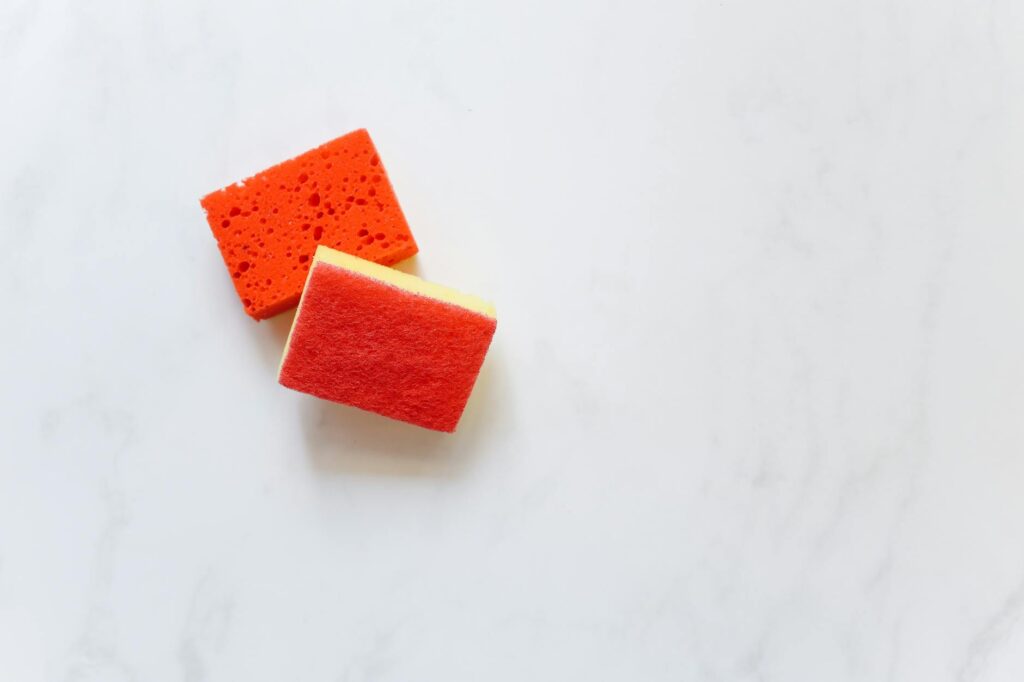
Kitchen Sponge Smell Laundry Guide Part 2
Introduction
Kitchen sponges are essential tools in our daily cleaning routines, but they can also harbor unpleasant odors. If you’ve ever noticed a funky smell coming from your sponge, you’re not alone. This article will delve deeper into the causes of that smell, how to fix it effectively, and how to prevent it from returning.
What Causes Laundry?
The smell in kitchen sponges is often due to a buildup of bacteria, mold, and food particles. When sponges absorb moisture and food residue, they become an ideal breeding ground for these unwanted guests.
Why This Problem Happens
Sponges are designed to soak up liquids, but this also means they can trap moisture. When not cleaned or dried properly, the damp environment encourages bacterial growth. Common causes include:
- Food Residue: Leftover food particles can contribute to odor.
- Moisture: A wet sponge is a magnet for bacteria and mold.
- Improper Drying: Storing sponges in a closed container or without proper drying leads to lingering smells.
- Low-Quality Sponges: Some sponges are less resistant to odors than others.
- A microwave-safe bowl
- Water
- Dish soap
- Baking soda
- White vinegar
- Air Dry: Place the sponge in a well-ventilated area to dry completely. Avoid keeping it in a closed container.
- Not Cleaning Regularly: Don’t wait for the smell to develop. Clean your sponge at least once a week.
- Ignoring Drying: Always ensure your sponge is dry before storing it. A wet sponge is a breeding ground for bacteria.
- Storing in Closed Containers: Avoid storing sponges in closed areas where air cannot circulate.
- Using Too Much Soap: Excess soap can cling to the sponge, causing odors. Rinse thoroughly.
How to Fix Laundry (Step-by-Step)
If your sponge has developed an unpleasant odor, here’s a step-by-step guide to freshen it up:
Step 1: Gather Your Supplies
Step 2: Microwave Method
1. Prepare the Sponge: Wet your sponge thoroughly.
2. Microwave: Place the damp sponge in a microwave-safe bowl. Heat on high for 1-2 minutes. This will kill most bacteria and help eliminate odors.
3. Cool Down: Let it cool before removing it, as it will be hot.
Step 3: Soak and Wash
1. Dish Soap Solution: Mix warm water with a few drops of dish soap in a bowl.
2. Soak: Submerge the sponge in the soapy water for about 5-10 minutes.
3. Rinse: Rinse thoroughly under running water to remove soap and any residual odors.
Step 4: Baking Soda Treatment
1. Make a Paste: Combine baking soda with a little water to form a paste.
2. Scrub: Apply the paste to the sponge and scrub gently. This will help neutralize odors.
3. Rinse Again: Rinse the sponge thoroughly to remove any baking soda residue.
Step 5: Vinegar Rinse
1. Vinegar Solution: Mix equal parts water and white vinegar in a bowl.
2. Soak: Place the sponge in the solution for about 5-10 minutes.
3. Final Rinse: Rinse thoroughly with water to remove the vinegar smell.
Step 6: Drying
Best Cleaning Methods
Different methods work for different types of sponges. Here are some of the most effective cleaning methods:
1. Microwave Cleaning: As mentioned earlier, this is one of the quickest ways to kill bacteria and odors.
2. Dishwasher Method: Place the sponge in the top rack of your dishwasher during a hot cycle. The heat and detergent will clean it effectively.
3. Vinegar Soak: A simple soak in vinegar can help eliminate odors and disinfect the sponge.
4. Bleach Solution: For stubborn odors, mix a solution of one part bleach to ten parts water. Soak the sponge for a few minutes, then rinse thoroughly.
Common Mistakes to Avoid
Avoid these pitfalls to keep your kitchen sponge smelling fresh:
Prevention Tips
To keep your kitchen sponge smelling fresh and clean, follow these tips:
1. Rotate Sponges: Use multiple sponges and rotate them regularly to give each one time to dry.
2. Store Properly: Keep your sponge in an open container or hang it to air dry.
3. Use a Sponge Holder: Invest in a sponge holder that allows for drainage and airflow.
4. Regular Maintenance: Establish a routine for cleaning and disinfecting your sponge weekly.
Frequently Asked Questions
1. How often should I clean my kitchen sponge?
It’s best to clean your sponge at least once a week to prevent odors and bacterial growth.
2. Can I use a sponge in the microwave?
Yes, as long as it’s damp. Microwaving a dry sponge can cause it to catch fire.
3. What’s the best way to store my sponge?
Store your sponge in a well-ventilated area, preferably hanging or in an open container to allow it to dry completely.
4. Is it safe to use bleach on my sponge?
Yes, but it’s crucial to rinse it thoroughly afterward to remove any bleach residue.
5. Why does my sponge still smell after cleaning?
If your sponge continues to smell, it may be time to replace it, as lingering bacteria may be trapped within it.
6. Can I wash sponges in the dishwasher?
Yes, placing your sponge in the dishwasher during a hot cycle can effectively clean and disinfect it.
Conclusion
Keeping your kitchen sponge clean and odor-free doesn’t have to be a chore. By understanding what causes those unpleasant smells and following the steps outlined in this guide, you can maintain a fresh sponge that effectively tackles your cleaning tasks. Regular maintenance and proper storage will go a long way in preventing future odors. With these practical tips, you can enjoy a cleaner kitchen and a more pleasant cooking experience.