
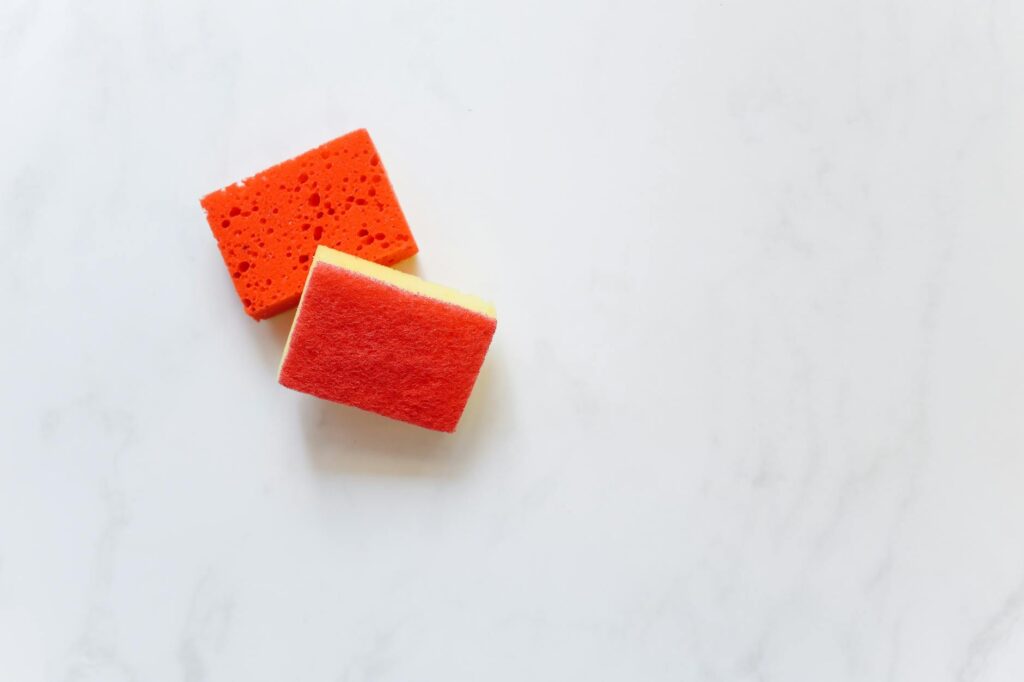
Kitchen Sponge Smell: Kitchen Guide Part 2
Introduction
A smelly kitchen sponge can turn your cooking space from inviting to off-putting in no time. Sponges are essential tools for cleaning, but if they’re not cared for properly, they can harbor bacteria and odors. In this guide, we’ll explore the causes of kitchen sponge smells, how to tackle them effectively, and preventive measures to keep your sponges fresh.
What Causes Kitchen Sponge Smell?
Kitchen sponges absorb moisture and food particles, making them an ideal breeding ground for bacteria. These microorganisms multiply quickly in damp environments, leading to unpleasant odors. Common causes of sponge smells include:
- Food Residue: Leftover bits of food can cling to sponges, providing a feast for bacteria.
- Moisture: Sponges retain moisture, which encourages microbial growth.
- Improper Cleaning: Failing to clean or sanitize your sponge regularly can exacerbate the problem.
- Bacterial Growth: The combination of warmth, moisture, and organic material creates an ideal environment for bacteria like E. coli and Salmonella.
- Mold and Mildew: If sponges are not dried properly, they can develop mold and mildew, which adds to the stench.
- Old Age: Sponges have a lifespan. Over time, they can break down and start to emit odors, even if they are clean.
- Dishwasher: Place your sponge on the top rack of your dishwasher during a regular wash cycle. The heat and detergent help sanitize it.
- Bleach Solution: For deep cleaning, soak the sponge in a mixture of 1 tablespoon of bleach and 1 quart of water for about 5 minutes. Rinse thoroughly afterward.
- Baking Soda: Create a paste of baking soda and water. Scrub the sponge with this mixture, then rinse well. Baking soda neutralizes odors effectively.
- Neglecting Regular Cleaning: Skipping routine cleaning allows bacteria to thrive.
- Using Sponges for Too Long: Sponges should be replaced every 2-4 weeks, depending on usage.
- Storing in a Closed Container: Storing sponges in a damp, closed space prevents drying and promotes odor.
- Using the Wrong Cleaning Products: Avoid harsh chemicals that can break down the sponge material.
- Dry After Each Use: Squeeze out excess water and place the sponge in a well-ventilated area to dry.
- Use Multiple Sponges: Rotate between several sponges to allow each one to dry out completely.
- Choose the Right Sponge: Opt for antimicrobial sponges that resist odor and bacteria.
- Store Properly: Keep sponges in a dish rack or container that allows airflow, rather than in a closed drawer or cupboard.
Why This Problem Happens
Understanding why your sponge smells can help you avoid the issue in the future. Here are a few key reasons:
How to Fix Kitchen Sponge Smell (Step-by-Step)
Fixing a smelly sponge requires immediate action. Follow these steps for a fresh sponge:
Step 1: Inspect the Sponge
Check for any visible signs of mold or wear. If it looks worn out or heavily stained, it might be time to replace it.
Step 2: Rinse Thoroughly
Rinse the sponge under hot water to remove any food particles. This initial rinse helps eliminate surface odors.
Step 3: Soak in Vinegar Solution
Mix one part white vinegar with one part water in a bowl. Soak the sponge for about 5-10 minutes. Vinegar acts as a natural disinfectant and deodorizer.
Step 4: Microwave for Sterilization
Place the damp sponge in the microwave on high for 1-2 minutes. This method kills most bacteria and eliminates odors. Ensure the sponge is wet to prevent fire hazards.
Step 5: Rinse and Dry
After microwaving, allow the sponge to cool before rinsing it thoroughly under hot water again. Squeeze out excess water and place it in a well-ventilated area to dry completely.
Step 6: Evaluate for Replacement
If the smell persists after these steps, consider replacing your sponge. A fresh sponge will be more effective in cleaning and less likely to harbor odors.
Best Cleaning Methods
To maintain a fresh-smelling sponge, consider these cleaning methods:
Common Mistakes to Avoid
Avoid these pitfalls to keep your sponges fresh:
Prevention Tips
Keeping your sponges smelling fresh requires consistent care. Here are some simple prevention tips:
Frequently Asked Questions
1. How often should I replace my kitchen sponge?
Replace your kitchen sponge every 2-4 weeks, depending on usage and cleanliness.
2. Can I use my sponge to clean other surfaces?
While sponges are versatile, avoid using the same sponge for different surfaces, especially if one is used for raw meat. This prevents cross-contamination.
3. Is it safe to microwave my sponge?
Yes, as long as the sponge is damp. Dry sponges can catch fire in the microwave, so always ensure it’s wet.
4. Why does my sponge smell even after cleaning?
If your sponge continues to smell after cleaning, it may be time to replace it. Old sponges can retain odors even after thorough cleaning.
5. Can I use vinegar instead of bleach to clean my sponge?
Yes, vinegar is a natural alternative to bleach and effectively disinfects and deodorizes sponges.
6. What type of sponge is best for preventing odors?
Antimicrobial sponges are designed to resist odors and bacterial growth, making them a good choice for your kitchen.
By following these guidelines, you can keep your kitchen sponges smelling fresh and your kitchen clean. Regular maintenance and proper care will ensure a healthier cooking environment.