
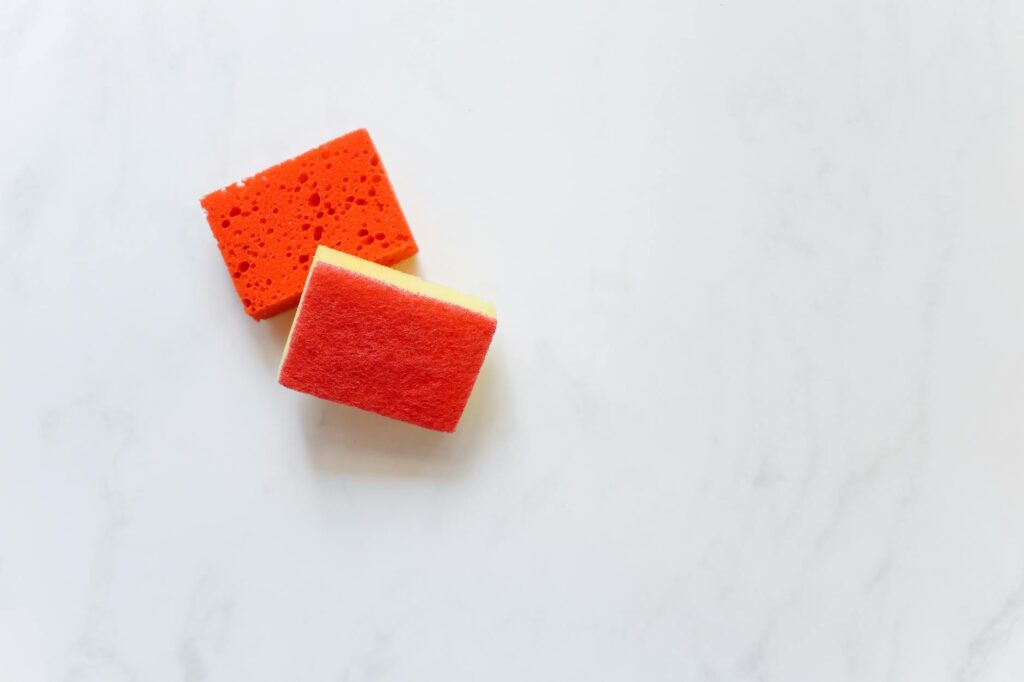
Kitchen Sponge Smell Cleaning Guide Part 2
Introduction
If you’re like most people, your kitchen sponge is an essential cleaning tool. However, there’s nothing more off-putting than reaching for a sponge only to be greeted by an unpleasant smell. This article will provide you with a comprehensive guide on how to tackle kitchen sponge odors effectively and prevent them from returning.
What Causes Cleaning?
Kitchen sponges are a breeding ground for bacteria. The combination of moisture, food particles, and warmth creates the perfect environment for germs to thrive. When these bacteria break down, they release odorous compounds that can make your sponge smell terrible. Understanding the causes is the first step to finding a solution.
Why This Problem Happens
There are several reasons why your kitchen sponge may develop a foul smell:
1. Bacteria Growth: Sponges are often damp and can trap food particles, leading to bacterial growth.
2. Improper Storage: Storing sponges in closed or damp areas can exacerbate the problem.
3. Overuse: Using the same sponge for multiple tasks without proper cleaning can lead to odor buildup.
Recognizing these factors can help you take steps to mitigate the issue.
How to Fix Cleaning (Step-by-Step)
Here’s a straightforward, step-by-step guide to eliminate kitchen sponge smell:
Step 1: Rinse Thoroughly
- Action: After using your sponge, rinse it under hot water to remove any food particles and debris.
- Option 1: Microwave Method
- Instructions: Wet the sponge and place it in the microwave for 1-2 minutes. Ensure it’s damp to avoid fire hazards.
- Option 2: Vinegar and Baking Soda
- Instructions: Sprinkle baking soda on the sponge, then spray with vinegar. Let it fizz for a few minutes before rinsing.
- Action: Squeeze out excess water and place the sponge in a well-ventilated area to dry completely. Avoid enclosed spaces.
- Action: Consider replacing your sponge every 2-4 weeks, depending on usage.
- How to Use: Soak the sponge in a mixture of equal parts vinegar and water for about 30 minutes. Rinse thoroughly afterward.
- How to Use: Create a paste with baking soda and water. Scrub the sponge with this paste and rinse well.
- How to Use: Mix 1 tablespoon of bleach in 1 quart of water. Soak the sponge for 5 minutes, then rinse thoroughly. This method is effective but should be used sparingly due to the harshness of bleach.
- How to Use: Place the sponge on the top rack of your dishwasher during a hot wash cycle. This will help disinfect and eliminate odors.
Step 2: Disinfect
Step 3: Dry Properly
Step 4: Replace Regularly
Best Cleaning Methods
To keep your kitchen sponges smelling fresh, here are some effective cleaning methods:
1. Vinegar Soak
2. Baking Soda Scrub
3. Bleach Solution (Use with Caution)
4. Dishwasher Method
Common Mistakes to Avoid
When dealing with kitchen sponge odors, be mindful of these common mistakes:
1. Ignoring Regular Cleaning: Relying solely on rinsing the sponge is not enough to prevent odor.
2. Using the Same Sponge for Everything: Avoid using one sponge for multiple surfaces or tasks.
3. Storing in Enclosed Spaces: Keep sponges in an open area to allow for air circulation.
4. Neglecting Replacement: Failing to replace sponges regularly can lead to persistent odors.
Prevention Tips
Taking proactive steps can help prevent your kitchen sponge from smelling:
1. Rinse After Each Use: Always rinse your sponge after using it to remove food particles.
2. Use Multiple Sponges: Assign different sponges for different tasks (e.g., dishes vs. counters).
3. Store in a Dry Area: Allow sponges to dry completely by storing them in a well-ventilated area.
4. Regularly Disinfect: Make cleaning your sponge a part of your regular kitchen cleaning routine.
5. Consider Alternatives: Explore options like silicone sponges or scrubbers that are less prone to odor.
Frequently Asked Questions
1. How often should I replace my kitchen sponge?
It’s best to replace your sponge every 2-4 weeks, depending on usage and signs of wear.
2. Can I use the same sponge for dishes and countertops?
It’s advisable to use separate sponges for dishes and countertops to avoid cross-contamination.
3. What’s the best way to dry my sponge?
After rinsing, squeeze out excess water and store it in a well-ventilated area, preferably upright.
4. Is it safe to microwave my sponge?
Yes, as long as it is damp. Microwaving helps kill bacteria and eliminate odors.
5. Can I use bleach to clean my sponge?
Yes, but use it sparingly. Mix 1 tablespoon of bleach in 1 quart of water and soak for a short time, then rinse thoroughly.
6. What if my sponge still smells after cleaning?
If odors persist, it may be time to replace the sponge. A strong smell often indicates that bacteria have penetrated too deeply into the material.
By following these steps, methods, and tips, you can effectively manage and prevent unpleasant kitchen sponge odors. Keeping your sponges clean will not only improve your kitchen environment but also ensure that your cleaning tasks are effective and hygienic. Happy cleaning!