
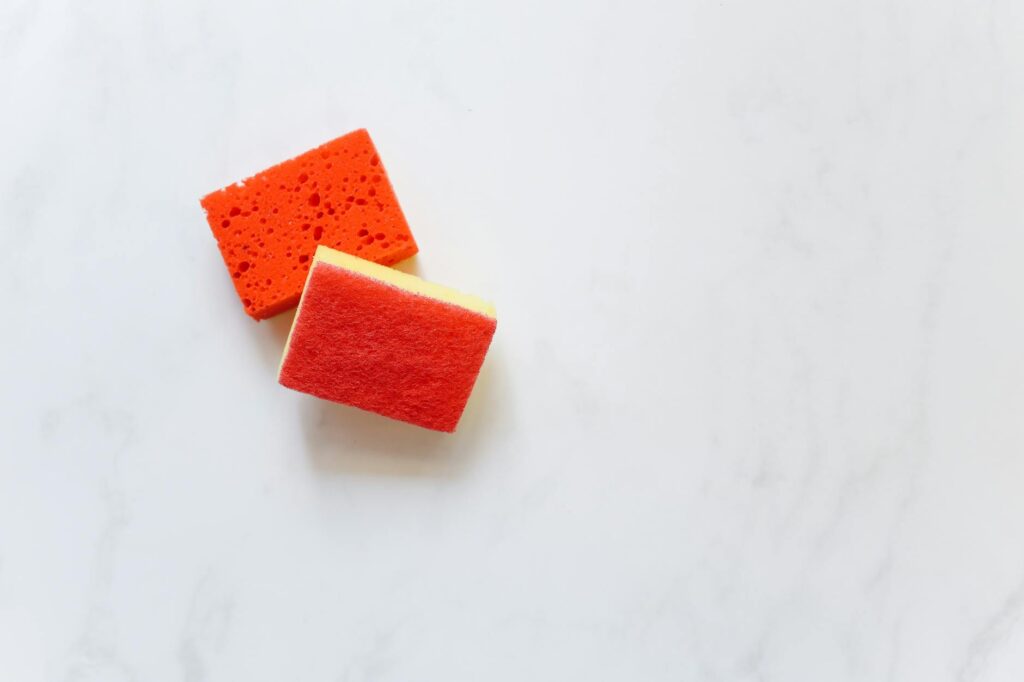
Kitchen Sponge Smell Cleaning Guide Part 1
Introduction
A smelly kitchen sponge is more than just an unpleasant nuisance; it can harbor bacteria and mold that pose risks to your health and cleanliness. If you’ve noticed that your sponge smells like mildew or rotten food, you’re not alone. In this guide, we’ll explore the causes of kitchen sponge odor, how to fix it, and the best prevention methods to keep your sponges fresh.
What Causes Kitchen Sponge Smell?
Kitchen sponges are breeding grounds for bacteria due to their porous structure and damp environment. When food particles, grease, and moisture accumulate, they create the perfect habitat for odor-causing microorganisms. Common culprits for sponge smell include:
- Food Residue: Bits of food stuck in the sponge can decompose, leading to unpleasant odors.
- Bacteria: Bacteria thrive in warm, moist environments, and sponges are often left damp after use.
- Mold and Mildew: These fungi flourish in humid conditions, contributing to foul smells.
- Rinse the Sponge: Start by rinsing your sponge under hot water to remove any food particles or grease. Squeeze it to eliminate excess moisture.
- Air Dry: Place the sponge in a well-ventilated area to dry completely. Avoid storing it in a closed container.
- Swap Out Sponges: Replace your kitchen sponge every 1-2 weeks, depending on usage. This will help reduce odors and ensure effective cleaning.
- Deodorizing: Sprinkle baking soda on a wet sponge, let it sit for 15 minutes, and rinse. This will absorb lingering odors.
- Natural Disinfectant: Mix equal parts of lemon juice and water. Soak the sponge for 5-10 minutes, then rinse. The acidity helps kill bacteria.
- Sanitizing: Place your sponge in the top rack of the dishwasher during a hot cycle for sanitization.
Understanding these causes is key to combating the odor effectively.
Why This Problem Happens
The primary reason for sponge smell is inadequate cleaning and drying practices. Here are some specific factors contributing to the issue:
1. Improper Storage: Leaving sponges in a closed container or wet environment prevents them from drying out.
2. Infrequent Replacement: Sponges have a limited lifespan. Over time, they become less effective at cleaning and more prone to odor.
3. Neglecting Maintenance: Failing to clean your sponge regularly allows bacteria and mold to build up.
Recognizing these factors can help you take the necessary steps to eliminate the smell.
How to Fix Kitchen Sponge Smell (Step-by-Step)
Here’s a straightforward method to tackle your smelly sponge:
Step 1: Rinse Thoroughly
Step 2: Disinfect
Choose one of the following methods for disinfection:
Method 1: Microwave
1. Place the damp sponge in the microwave.
2. Heat on high for 1-2 minutes.
3. Allow it to cool before removing.
Method 2: Vinegar
1. Soak the sponge in a mixture of equal parts water and white vinegar.
2. Let it sit for 5-10 minutes.
3. Rinse thoroughly with water.
Method 3: Bleach
1. Prepare a solution with 1 tablespoon of bleach in 1 cup of water.
2. Soak the sponge for 5 minutes.
3. Rinse thoroughly with water.
Step 3: Dry Completely
Step 4: Replace Regularly
Best Cleaning Methods
While the above steps are effective for immediate odor removal, consider these long-term cleaning methods to maintain freshness:
1. Baking Soda
2. Lemon Juice
3. Dishwasher
Common Mistakes to Avoid
To ensure your cleaning efforts are effective, avoid these mistakes:
1. Ignoring the Smell: Don’t wait for the smell to become unbearable before taking action.
2. Using Dirty Water: Always rinse the sponge in clean water; using dirty water will only transfer bacteria back to the sponge.
3. Storing Wet Sponges: Leaving sponges wet or in a closed space will promote bacterial growth.
4. Overusing Sponges: Using the same sponge for multiple tasks (e.g., cleaning dishes and wiping counters) can spread bacteria.
Prevention Tips
Keeping your sponges fresh is easier than you think. Here are some tips to prevent kitchen sponge smell:
1. Rinse After Each Use: Always rinse your sponge in hot water after use to remove food particles.
2. Dry Thoroughly: Ensure that sponges dry completely between uses to minimize moisture.
3. Use Multiple Sponges: Designate separate sponges for different tasks, such as one for dishes and another for countertops.
4. Store Upright: Store sponges upright in a holder to promote airflow and drying.
5. Consider Alternatives: Explore alternatives like dishcloths or silicone scrubbers that may be less prone to odor.
Frequently Asked Questions
1. How often should I replace my kitchen sponge?
You should replace your kitchen sponge every 1-2 weeks, depending on usage and smell.
2. Can I use a smelly sponge after cleaning it?
It’s best to avoid using a smelly sponge, even after cleaning. If the odor persists, replace it.
3. Is it safe to microwave a sponge?
Yes, microwaving a damp sponge for 1-2 minutes is safe and effective for killing bacteria.
4. Can I use vinegar to clean my sponge?
Yes, soaking your sponge in a vinegar solution is an excellent way to disinfect and deodorize it.
5. What’s the best way to store sponges?
Store sponges upright in a holder or on a dish rack to allow for air circulation and drying.
6. Are there non-toxic alternatives to sponges?
Yes, consider using dishcloths or silicone scrubbers, which can be easier to clean and less prone to odors.
By following these practical steps and tips, you can keep your kitchen sponges clean and odor-free. Stay tuned for Part 2, where we’ll delve deeper into advanced cleaning techniques and solutions for persistent kitchen odors.