
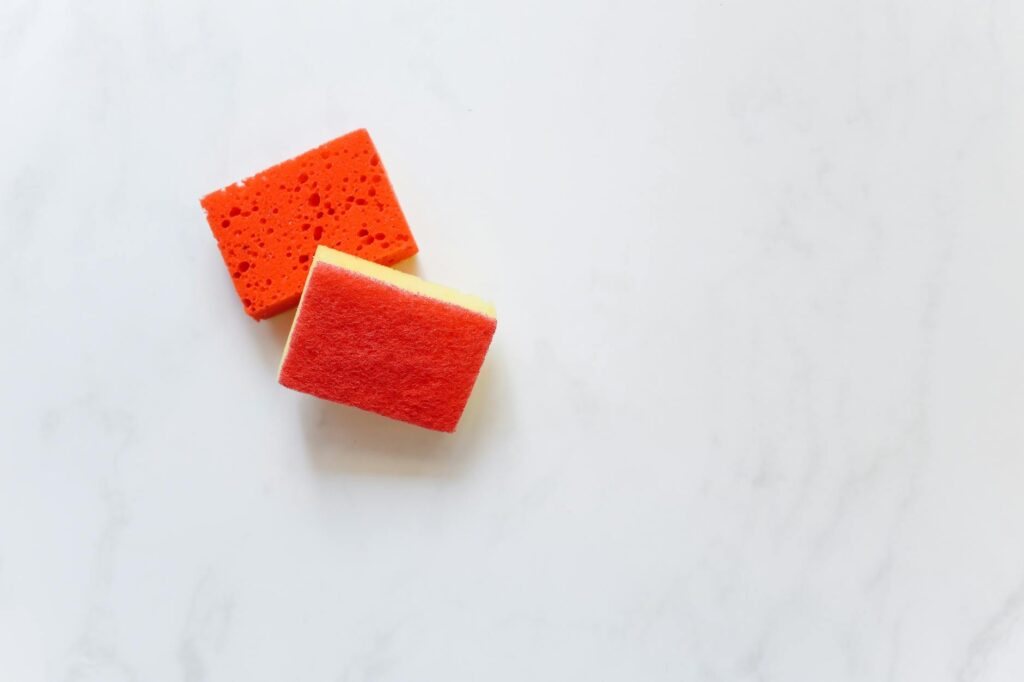
Kitchen Sponge Smell Bathroom Guide Part 1
Introduction
If you’ve noticed an unpleasant odor wafting from your kitchen sponge, you’re not alone. While sponges are essential for cleaning, they can also be a breeding ground for bacteria and odors. This guide will help you understand why your kitchen sponge might smell, especially when you take it into the bathroom, and provide actionable steps to eliminate the problem.
What Causes Bathroom Smell?
Kitchen sponges can develop a foul smell due to a combination of food particles, germs, and moisture. When used in the bathroom, these sponges can absorb additional odors from damp surfaces and toiletries. Here’s what typically contributes to the smell:
1. Food Residue: Leftover food particles can cling to the sponge, leading to bacterial growth.
2. Moisture: Sponges retain water, creating a damp environment ideal for bacteria and mold.
3. Cross-Contamination: Using the same sponge for both kitchen and bathroom cleaning can transfer odors and bacteria.
Why This Problem Happens
The smell emanating from your kitchen sponge can be attributed to several factors:
- Bacterial Growth: Bacteria thrive in warm, moist environments. As sponges are often wet and used repeatedly, they can quickly become a hotspot for germs.
- Organic Matter: Food and soap residue can decompose, leading to unpleasant odors.
- Infrequent Cleaning: If you rarely clean or replace your sponge, the buildup of grime can intensify the smell.
- Microwave Method: Wet the sponge and place it in the microwave for two minutes. Ensure it’s damp to avoid fire hazards.
- Bleach Solution: Mix one part bleach with nine parts water. Soak the sponge for five minutes, then rinse thoroughly.
- Vinegar and Baking Soda: Sprinkle baking soda on the sponge, then spray vinegar over it. Let it fizz for a few minutes, then rinse well.
- Vinegar: A natural deodorizer that kills some bacteria. Soaking the sponge in vinegar for 10 minutes can help reduce odor.
- Baking Soda: An excellent odor absorber. Combine with vinegar for a powerful cleaning reaction.
- Dishwasher: Place the sponge on the top rack of your dishwasher during a hot cycle to sanitize it.
- Not Cleaning Regularly: Failing to clean your sponge regularly can lead to a buildup of bacteria and odors.
- Using the Same Sponge for Different Areas: Using one sponge for both the kitchen and bathroom can transfer smells and germs.
- Ignoring Signs of Wear: If your sponge is frayed or has an unpleasant smell, it’s time to replace it.
- Use Two Sponges: Designate one sponge for kitchen use and another for bathroom cleaning.
- Wring Out Excess Water: Always wring out your sponge after use to limit moisture.
- Store Properly: Keep your sponge in a dry location or use a sponge holder that allows air circulation.
- Replace Regularly: Aim to replace your sponge every 2–4 weeks, depending on usage.
How to Fix Bathroom Smell (Step-by-Step)
Step 1: Assess the Sponge
Check your sponge for visible signs of wear, staining, or a slimy texture. If it shows signs of age, it might be time to replace it.
Step 2: Rinse Thoroughly
After each use, rinse your sponge under hot water to remove food particles and soap residue. Squeeze out excess water to prevent moisture buildup.
Step 3: Disinfect the Sponge
Choose one of the following methods to disinfect your sponge:
Step 4: Dry Completely
After cleaning, ensure your sponge is dried completely. You can place it in a well-ventilated area or near a fan. Avoid storing it in a closed container, as this promotes moisture.
Step 5: Monitor Usage
Limit the use of your kitchen sponge in the bathroom. If you must use it, follow the cleaning steps above more rigorously.
Best Cleaning Methods
Different cleaning methods work effectively for removing odors from sponges. Here are the top choices:
Common Mistakes to Avoid
Prevention Tips
To keep your kitchen sponge from smelling in the first place, consider these preventive measures:
Frequently Asked Questions
1. How often should I replace my kitchen sponge?
Replace your kitchen sponge every 2–4 weeks, or sooner if it shows signs of wear or odor.
2. Can I wash my sponge in the washing machine?
Yes, you can wash your sponge in a laundry bag on a hot cycle. However, it’s often more effective to use a microwave or dishwasher for sanitizing.
3. Is it safe to use bleach on my sponge?
Yes, but use it sparingly and ensure you rinse the sponge thoroughly afterward. Too much bleach can degrade the sponge material.
4. What should I do if my sponge still smells after cleaning?
If the smell persists, it’s best to replace the sponge. Some odors can become ingrained and difficult to remove entirely.
5. Can I use my sponge for both kitchen and bathroom cleaning?
While it’s possible, it’s not recommended. Using separate sponges for each area helps prevent cross-contamination and odors.
6. What’s the best way to store my sponge?
Store your sponge in a dry area with good air circulation. Avoid closed containers to prevent moisture buildup.
By following these steps and tips, you can effectively manage kitchen sponge odors and keep your bathroom smelling fresh. Stay tuned for Part 2, where we’ll dive deeper into advanced cleaning techniques and solutions!