
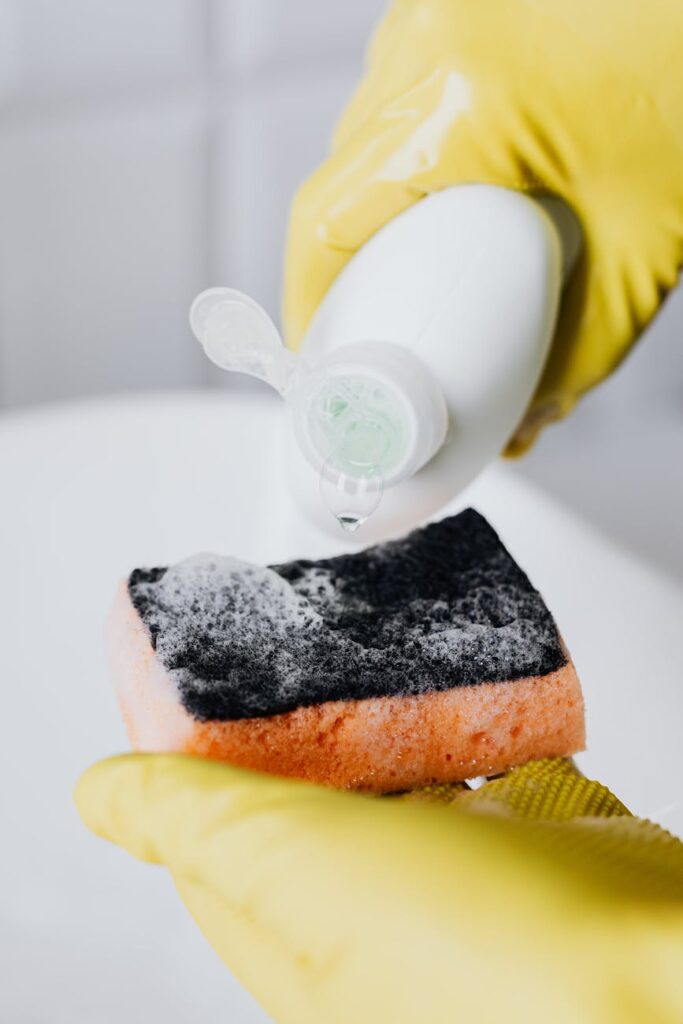
Kitchen Sponge Odor Stains Guide Part 1
Introduction
A kitchen sponge is an essential tool in every home, but it can also be a breeding ground for unpleasant odors and stains. These issues not only make your sponge less effective but can also lead to unsanitary conditions in your kitchen. In this guide, we will explore the causes of kitchen sponge odor stains, why they occur, how to fix them, and how to prevent them in the future.
What Causes Stains?
Stains on kitchen sponges typically arise from a combination of food residues, bacteria, and moisture. Here are some common causes:
1. Food Particles: Leftover food remnants can get trapped in the sponge, creating a perfect environment for bacteria to thrive.
2. Bacteria Build-Up: Sponges absorb moisture and can harbor millions of bacteria, which can lead to unpleasant odors and discoloration.
3. Mold and Mildew: If sponges are not dried properly after use, mold and mildew can form, leading to stains and odors.
4. Chemical Reactions: Certain cleaning agents can react with food particles or the sponge material, causing discoloration.
Why This Problem Happens
The kitchen is often a hive of activity, and sponges are frequently used without proper care. Several factors contribute to the development of odor stains:
- High Moisture: Sponges remain wet for extended periods, creating a moist environment conducive to bacterial growth.
- Lack of Cleaning: Many homeowners neglect to regularly clean their sponges, allowing stains and odors to build up over time.
- Improper Storage: Storing sponges in closed spaces can trap moisture and lead to foul smells.
- Type of Sponge: Some sponges are more prone to stains and odors due to their material composition.
- Action: Rinse the sponge under hot water to remove any loose food particles.
- Why: This initial rinse helps dislodge any debris and starts the cleaning process.
- Action: Mix equal parts of white vinegar and water in a bowl. Submerge the sponge and let it soak for 5-10 minutes.
- Why: Vinegar is a natural disinfectant and deodorizer that helps break down stains and kill bacteria.
- Action: After soaking, sprinkle baking soda on the sponge and scrub it with your hands.
- Why: Baking soda is a gentle abrasive that removes stains without damaging the sponge.
- Action: Rinse the sponge thoroughly under hot water to remove any baking soda residue.
- Why: This step ensures that your sponge is free from any cleaning agents.
- Action: Squeeze out excess water and place the sponge in a well-ventilated area to dry completely.
- Why: Proper drying is crucial to prevent the growth of mold and bacteria.
- Neglecting Regular Cleaning: Failing to clean your sponge regularly leads to a build-up of odors and stains.
- Using a Dirty Sponge: Using a sponge that’s already stained can spread bacteria instead of cleaning effectively.
- Storing Wet Sponges: Keeping sponges in a closed container or drawer traps moisture, encouraging bacteria growth.
- Ignoring Signs of Wear: If your sponge is worn out or has persistent odors even after cleaning, it’s time to replace it.
How to Fix Stains (Step-by-Step)
If your sponge has developed unpleasant odors and stains, don’t worry—there are effective methods to restore it. Here’s a step-by-step guide:
Step 1: Rinse Thoroughly
Step 2: Soak in Vinegar
Step 3: Scrub with Baking Soda
Step 4: Rinse Again
Step 5: Dry Completely
Best Cleaning Methods
There are several effective cleaning methods you can use to tackle kitchen sponge odor stains:
1. Microwave Method: Place a damp sponge in the microwave for 1-2 minutes. Ensure it’s wet to prevent fire hazards. This method kills bacteria effectively but should be used cautiously.
2. Bleach Solution: Mix one part bleach with nine parts water. Soak the sponge for 5 minutes, then rinse thoroughly. Use this method sparingly, as bleach can degrade sponge material over time.
3. Dishwasher: Place the sponge on the top rack of your dishwasher during a hot cycle. This method disinfects and cleans the sponge effectively.
4. Salt and Lemon: Mix salt with lemon juice to create a paste. Apply this to the sponge, let it sit for a few minutes, and rinse. This method helps eliminate odors while providing a fresh scent.
Common Mistakes to Avoid
To keep your kitchen sponge odor-free and stain-free, avoid these common pitfalls:
Prevention Tips
Preventing kitchen sponge odor and stains is easier than dealing with them after they occur. Here are some proactive measures:
1. Rinse Immediately After Use: Always rinse your sponge thoroughly after each use to remove food particles and moisture.
2. Dry Properly: Store sponges in a well-ventilated area to allow them to dry completely.
3. Use Two Sponges: Designate one sponge for dishes and another for surfaces. This helps prevent cross-contamination.
4. Replace Regularly: Swap out your kitchen sponge every 2-4 weeks, or sooner if it’s showing signs of wear or odor.
5. Use Disposable Options: Consider using disposable sponges or cleaning cloths for particularly messy jobs.
6. Keep Multiple Sponges: Having a few sponges on hand allows you to rotate them, minimizing wear and tear.
Frequently Asked Questions
1. How often should I replace my kitchen sponge?
It’s recommended to replace your sponge every 2-4 weeks, depending on usage. If it starts to smell or show signs of wear, replace it immediately.
2. Can I wash my sponge in the washing machine?
While it’s possible, it’s more effective to clean sponges in the dishwasher or microwave. Washing machines may not effectively sanitize sponges.
3. What’s the best way to store my sponge?
Store your sponge in a well-ventilated area, preferably hanging or on a sponge holder, to allow it to dry completely.
4. Are there any sponges that resist odors better?
Look for antimicrobial sponges designed to resist bacteria and odors. These often have special treatments that inhibit mold growth.
5. Can I use bleach on my sponge?
Yes, but use it sparingly. A bleach solution can disinfect but may also degrade sponge material over time.
6. What should I do if my sponge is still smelly after cleaning?
If your sponge retains odors after cleaning, it’s best to replace it. Persistent odors usually indicate a deep-seated bacterial problem.
By following these guidelines, you can effectively manage kitchen sponge odor stains and maintain a cleaner, healthier kitchen environment. Stay tuned for Part 2, where we’ll dive deeper into advanced cleaning techniques and maintenance tips for kitchen sponges!