
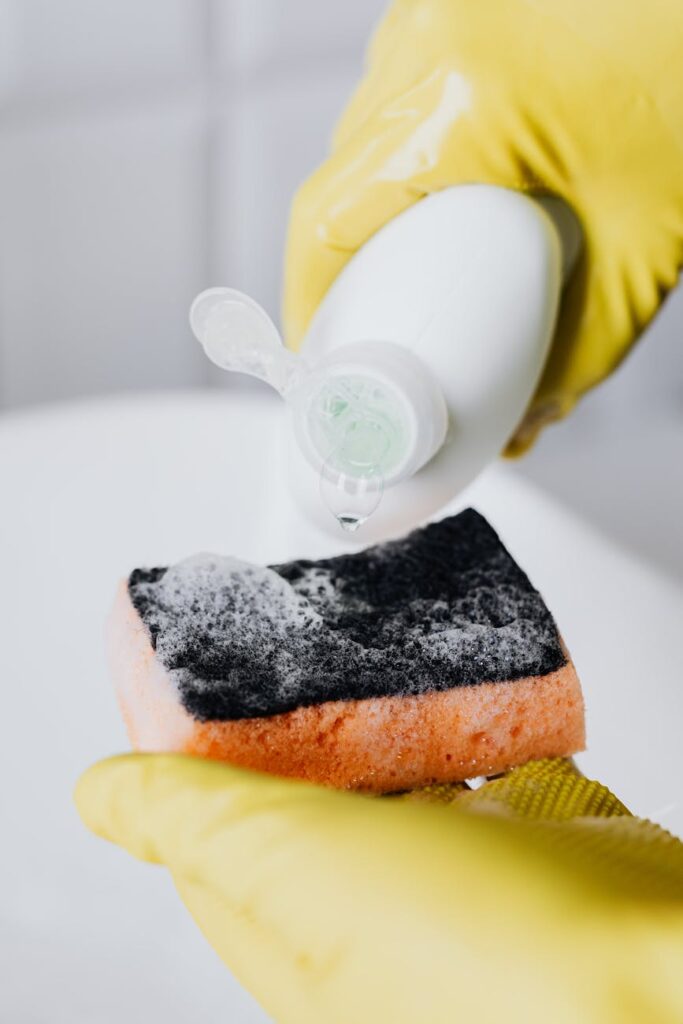
Kitchen Sponge Odor Guide Part 2
Introduction
Kitchen sponges are essential tools in maintaining a clean and hygienic kitchen. However, they can quickly develop unpleasant odors if not properly cared for. This guide will delve into the causes of kitchen sponge odors, why they happen, and how to effectively eliminate and prevent them.
What Causes Odours?
Kitchen sponges harbor bacteria, food particles, and moisture, creating a perfect environment for odor-causing organisms. Common contributors to sponge odors include:
- Bacteria and Mold: These thrive in damp conditions, particularly in sponges that haven’t been wrung out properly.
- Food Residue: Small bits of food can get trapped in the sponge, leading to decay and foul smells.
- Hard Water: Minerals in hard water can build up in sponges, contributing to unpleasant odors.
- Action: Rinse the sponge under hot running water to remove any food particles and surface bacteria.
- Option 1: Microwave Method: Wet the sponge and place it in the microwave for 1-2 minutes. Ensure it’s damp to prevent fire hazards. Allow it to cool before handling.
- Option 2: Vinegar Soak: Mix equal parts of water and white vinegar. Soak the sponge for 5-10 minutes. Rinse well afterward.
- Action: Sprinkle baking soda onto the sponge, gently scrub, and then rinse. Baking soda neutralizes odors effectively.
- Action: Squeeze out excess water and place the sponge in a well-ventilated area to dry completely. Avoid storing it in a closed container.
- Place your sponge in the top rack of the dishwasher during a normal cycle, ensuring it gets cleaned and sanitized.
- Mix one part bleach to ten parts water. Soak the sponge for a few minutes, then rinse thoroughly. Use this method sparingly as bleach can degrade sponges over time.
- Sprinkle salt on the sponge and rub it with half a lemon. This natural cleaning method helps remove odors and bacteria.
- Add a few drops of essential oils like tea tree or lavender to the sponge after cleaning. These oils have natural antibacterial properties and can help mask odors.
Understanding these causes is the first step in combating sponge odors effectively.
Why This Problem Happens
Several factors contribute to kitchen sponge odors:
1. Infrequent Cleaning: Regularly cleaning your sponge is crucial. A sponge that is used daily should be cleaned frequently.
2. Improper Storage: Storing a sponge in a closed, damp space can trap moisture, creating an ideal breeding ground for bacteria.
3. Lack of Drying Time: A sponge that isn’t allowed to dry out completely will develop odors more quickly.
4. Using the Wrong Type of Sponge: Some sponges are more prone to odor retention than others. Choosing the right type can make a difference.
Identifying these factors can help you take proactive measures.
How to Fix Odours (Step-by-Step)
If your sponge has developed an odor, follow these steps to restore its freshness:
Step 1: Rinse Thoroughly
Step 2: Disinfect
Step 3: Baking Soda Treatment
Step 4: Dry Completely
Best Cleaning Methods
To keep your sponge odor-free, consider these cleaning methods:
1. Dishwasher Method
2. Bleach Solution
3. Salt and Lemon
4. Essential Oils
Common Mistakes to Avoid
Avoid these common pitfalls to keep your kitchen sponge odor-free:
1. Neglecting Regular Cleaning: Don’t wait for odors to develop; clean your sponge regularly.
2. Storing in Damp Places: Avoid keeping your sponge in a sink or closed container.
3. Using Old Sponges: Replace sponges every 2-4 weeks, as old sponges are more prone to odors.
4. Ignoring Visual Cues: If your sponge looks discolored or frayed, it’s time to replace it.
By steering clear of these mistakes, you can prolong the life of your sponge and keep it smelling fresh.
Prevention Tips
Implement these strategies to prevent kitchen sponge odors:
1. Rinse After Use: Always rinse your sponge thoroughly after each use to remove food particles and bacteria.
2. Store Properly: Keep your sponge in a dry, open area where air can circulate.
3. Rotate Sponges: Consider using multiple sponges and rotating them, allowing each one to dry completely between uses.
4. Use a Sponge Holder: Invest in a sponge holder that allows water to drain away, keeping your sponge dry and odor-free.
5. Regularly Replace Sponges: Make it a habit to replace sponges every 2-4 weeks, especially if they’re heavily used.
Frequently Asked Questions
1. How often should I clean my kitchen sponge?
Clean your sponge after every few uses, at least every 3-4 days, to prevent odors and bacteria buildup.
2. Can I use the microwave method on all types of sponges?
Most synthetic sponges can be microwaved. However, avoid this method with sponges that contain metal or are made from natural materials.
3. What should I do if my sponge still smells after cleaning?
If odors persist, it’s best to replace the sponge. Sometimes, deep-set odors are difficult to eliminate.
4. Are there sponges that resist odors?
Yes, look for antimicrobial sponges designed to resist odors and bacteria. These can be more effective than standard sponges.
5. Is it safe to use bleach on my sponge?
While bleach can disinfect, it can also wear out your sponge more quickly. Use it sparingly and rinse thoroughly afterward.
6. Can I use vinegar and baking soda together?
Yes, but avoid mixing them directly as they neutralize each other. Instead, use them in succession for effective cleaning.
By following this guide, you can tackle kitchen sponge odors head-on, ensuring a fresher and cleaner kitchen environment. With consistent care and proper maintenance, your sponges can remain effective and odor-free for a longer time.