
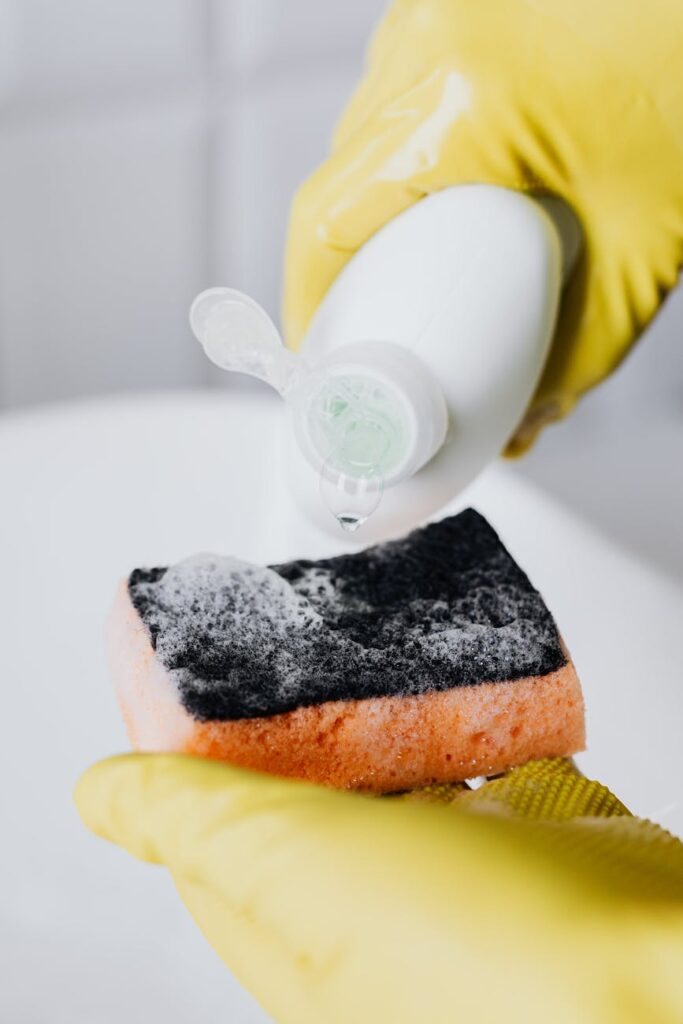
Kitchen Sponge Odor Odours Guide Part 1
Introduction
A fresh kitchen is essential for a pleasant cooking experience, but one common problem many homeowners face is the unpleasant odor emanating from kitchen sponges. Understanding the causes, solutions, and prevention of this issue can help you maintain a clean and hygienic kitchen. In this guide, we’ll explore everything you need to know about kitchen sponge odors.
What Causes Odours?
Kitchen sponges are often breeding grounds for bacteria, mold, and mildew. Here are the main culprits behind the odors:
1. Bacterial Growth: Sponges absorb moisture and food particles, creating an ideal environment for bacteria to thrive. The most common bacteria include E. coli and Salmonella, which can produce foul smells.
2. Mold and Mildew: If sponges remain damp, mold and mildew can develop, leading to musty odors.
3. Food Residue: Particles trapped within the sponge can decompose, contributing to unpleasant smells.
4. Improper Drying: Sponges that do not dry completely between uses are prone to odor issues.
Why This Problem Happens
The kitchen sponge’s structure allows it to hold onto moisture and food bits, making it a prime location for bacteria and mold. Here are additional reasons why odors develop:
- Frequent Use: Regular use of sponges without proper cleaning can lead to a buildup of bacteria and odors.
- Infrequent Replacement: Many homeowners keep sponges far too long, allowing bacteria to multiply.
- Lack of Cleaning: Failing to clean sponges regularly can exacerbate odor problems.
- Action: Rinse the sponge under hot water for at least 30 seconds.
- Why: This removes food particles and may reduce some odors.
- Action: Mix equal parts of white vinegar and water in a bowl. Soak the sponge for 5 minutes.
- Why: Vinegar is a natural disinfectant that kills bacteria and neutralizes odors.
- Action: Place the damp sponge in the microwave for 2 minutes on high (ensure it’s wet to avoid fire hazards).
- Why: The heat kills bacteria effectively.
- Action: Rinse the sponge thoroughly again and squeeze out excess water. Place it in a well-ventilated area to dry completely.
- Why: Proper drying prevents new bacteria growth.
- Action: Replace your sponge every 2-4 weeks, depending on usage.
- Why: Fresh sponges are less likely to harbor bacteria and odors.
- Not Cleaning Regularly: Neglecting to clean your sponge can lead to persistent odors.
- Using Sponges for Too Long: Keeping sponges beyond their lifespan can result in smells and bacteria buildup.
- Storing in Dark, Damp Places: Avoid storing sponges in closed containers or under the sink where they cannot dry properly.
- Neglecting the Microwave Method: If you don’t use the microwave method, you may miss out on a powerful cleaning option.
Understanding these factors can help you take proactive steps to eliminate odors effectively.
How to Fix Odours (Step-by-Step)
If your sponge has developed an unpleasant smell, follow these steps to eliminate the odor:
Step 1: Rinse Thoroughly
Step 2: Soak in Vinegar Solution
Step 3: Microwave Method (Optional)
Step 4: Rinse and Dry
Step 5: Replace Regularly
Best Cleaning Methods
There are several effective methods to clean your kitchen sponge:
1. Bleach Solution: Mix 1 tablespoon of bleach with 1 cup of water. Soak the sponge for 5 minutes, then rinse thoroughly. Use this method sparingly, as bleach can degrade sponges over time.
2. Baking Soda Paste: Combine baking soda with water to form a paste. Apply it to the sponge, let it sit for 10 minutes, then rinse. Baking soda absorbs odors and acts as a mild abrasive.
3. Dishwasher Cleaning: Place the sponge in the top rack of your dishwasher during a hot cycle. This method is effective for sanitizing sponges.
4. Essential Oils: Add a few drops of tea tree or lavender oil to your cleaning solution. These oils have antibacterial properties and provide a pleasant scent.
Common Mistakes to Avoid
Avoid these common mistakes to keep your sponges odor-free:
Prevention Tips
Preventing kitchen sponge odors is easier than dealing with them after they appear. Here are some tips:
1. Store Properly: Keep sponges in a well-ventilated area to ensure they dry out completely.
2. Alternate Use: If possible, use multiple sponges and rotate them to allow for more thorough drying.
3. Use a Sponge Holder: Invest in a sponge holder that allows water to drain away, preventing moisture buildup.
4. Regular Replacement: Set a reminder to replace your sponges regularly.
5. Drying Techniques: After each use, wring out excess water and leave the sponge in an upright position.
Frequently Asked Questions
1. How often should I replace my kitchen sponge?
Replace your kitchen sponge every 2-4 weeks depending on usage. If it starts to smell sooner, replace it immediately.
2. Can I wash my sponge in the washing machine?
Yes, you can wash sponges in the washing machine, but it’s generally more effective to clean them using the methods mentioned above.
3. Are there sponges that resist odors?
Some sponges are designed with antimicrobial properties that help resist odors. Look for these options when purchasing sponges.
4. What do I do if the odor persists after cleaning?
If the odor persists, it’s best to replace the sponge. Some odors are difficult to eliminate completely.
5. Can I use natural cleaners instead of bleach?
Yes, natural cleaners like vinegar and baking soda are effective alternatives to bleach for cleaning sponges.
6. Is it safe to use a sponge to clean raw meat areas?
It’s recommended to use separate sponges for raw meat areas and dishwashing to prevent cross-contamination.
Conclusion
Kitchen sponge odors can be a nuisance, but with the right knowledge and methods, you can easily eliminate them. By understanding the causes, implementing effective cleaning techniques, and taking preventive measures, you can enjoy a fresher, cleaner kitchen. Stay vigilant about your sponges, and your kitchen will remain a pleasant place for cooking and gathering.