
Kitchen Sponge Odor Laundry Guide Part 2
Introduction
Kitchen sponges are essential tools for cleaning, but they can also become a source of unpleasant odors. Over time, food particles, bacteria, and moisture accumulate in sponges, leading to that distinct, musty smell. This article will delve deeper into understanding what causes kitchen sponge odor, why it happens, and how to effectively fix and prevent it through laundry techniques.
What Causes Laundry?
The term “laundry” in this context refers to the cleaning process of kitchen sponges. Sponges absorb moisture and are often left damp, creating a breeding ground for bacteria and mold. The smell that develops is not just unpleasant; it can also indicate that your sponge is harboring harmful microorganisms.
Why This Problem Happens
1. Moisture Retention: Sponges retain water, and if they are not dried properly after use, moisture can linger, providing an ideal environment for bacteria.
2. Food Particles: Bits of food can get trapped in the sponge’s porous structure, leading to decomposition and odor.
3. Temperature: Warm, humid environments (like kitchens) can accelerate bacterial growth.
4. Lack of Regular Cleaning: If sponges are not cleaned regularly, they can become a source of foul smells.
Understanding these factors helps in effectively addressing and preventing the problem.
How to Fix Laundry (Step-by-Step)
Step 1: Rinse Thoroughly
After each use, rinse your sponge under hot running water to remove food particles. Squeeze it several times to ensure that all debris is washed away.
Step 2: Soak in Vinegar Solution
Create a solution of equal parts water and white vinegar. Soak the sponge in this mixture for about 5 minutes. Vinegar is a natural disinfectant that helps neutralize odors.
Step 3: Microwave for Disinfection
Place the damp sponge in the microwave for 1-2 minutes on high. Ensure it’s wet to prevent it from catching fire. This method kills most bacteria and eliminates odors.
Step 4: Wash in the Dishwasher
If your sponge is dishwasher-safe, place it on the top rack of your dishwasher during a regular cycle. The high heat and detergent will help sanitize it effectively.
Step 5: Air Dry Completely
After cleaning, make sure to wring out excess water and place the sponge in a well-ventilated area to dry completely. Avoid storing it in a closed container.
Best Cleaning Methods
1. Vinegar Soak: Effective against odors and bacteria.
2. Microwave Disinfection: Quick and efficient method to kill germs.
3. Dishwasher Cleaning: Ideal for those who regularly run dishwashing cycles.
4. Bleach Solution: For stubborn odors, a diluted bleach solution can be used (1 part bleach to 10 parts water). Soak for just 5 minutes, then rinse thoroughly.
Common Mistakes to Avoid
1. Neglecting Regular Cleaning: Not cleaning sponges regularly can lead to persistent odors.
2. Using a Dry Sponge: Always ensure the sponge is damp when microwaving to avoid fire hazards.
3. Storing in Closed Containers: This traps moisture and encourages bacteria growth.
4. Ignoring Signs of Wear: If your sponge is discolored or falling apart, replace it. Old sponges harbor more bacteria.
5. Overusing Sponges: Limit the lifespan of a sponge to about 1-2 weeks for optimal cleanliness.
Prevention Tips
1. Frequent Replacement: Change your sponge every two weeks or sooner if it starts to smell.
2. Use Two Sponges: Designate one sponge for dishes and another for countertops to limit cross-contamination.
3. Drying Techniques: After each use, wring out sponges and store them in a location that promotes airflow.
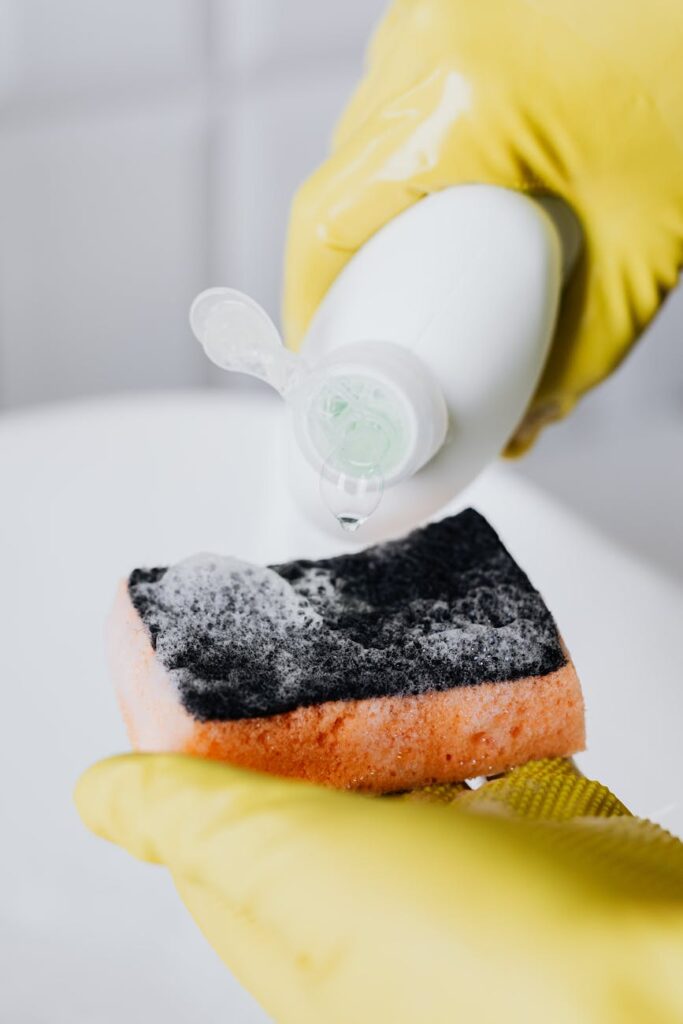
4. Use Dish Soap: Apply a small amount of dish soap to the sponge before rinsing, as it can help cut through grease and odors.
5. Regularly Clean Your Kitchen: Keeping your kitchen clean reduces the amount of residue that can accumulate in sponges.
Frequently Asked Questions
1. How often should I replace my kitchen sponge?
Replace your kitchen sponge every 1-2 weeks, or sooner if you notice any smells or wear.
2. Can I wash my sponge in the washing machine?
While it’s not recommended, some sponges can withstand a gentle cycle. Follow the manufacturer’s instructions.
3. Is it safe to use bleach on my sponge?
Yes, a diluted bleach solution can effectively disinfect a sponge. Ensure it’s rinsed thoroughly afterward.
4. What should I do if my sponge still smells after cleaning?
If the odor persists, it may be time to replace the sponge. Persistent smells can indicate deep-seated bacteria.
5. Can I use essential oils to combat sponge odor?
Yes, a few drops of essential oil like tea tree or lavender can help mask odors and add a pleasant scent.
6. How can I tell if my sponge is too old to use?
Signs of wear, such as discoloration, tearing, or persistent odors, indicate that it’s time for a new sponge.
By implementing these cleaning and maintenance strategies, you can keep your kitchen sponges odor-free and in good condition, ensuring a cleaner and more hygienic kitchen environment.