
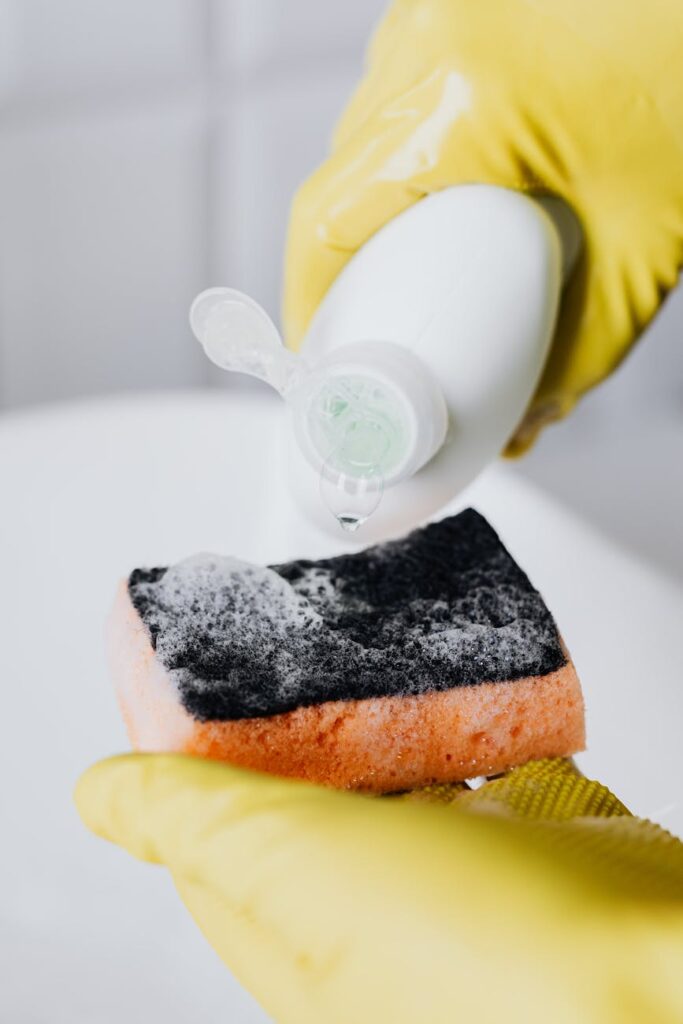
Kitchen Sponge Odor: Kitchen Guide Part 2
Introduction
A foul-smelling kitchen sponge can be more than just an annoyance; it can indicate the presence of bacteria that could contaminate your dishes and surfaces. In this guide, we’ll explore the causes of kitchen sponge odor, why it happens, and provide actionable steps to eliminate the smell and prevent it from returning.
What Causes Kitchen Sponge Odor?
Kitchen sponge odor primarily arises from the accumulation of food particles, moisture, and bacteria. Here are some key contributors:
- Food Residue: Leftover bits of food can become trapped in the sponge’s fibers, creating a breeding ground for bacteria.
- Moisture: Sponges retain water, which can lead to mold and mildew growth if not dried properly.
- Bacteria: Certain bacteria thrive in warm, damp environments, leading to unpleasant smells and potential health hazards.
- Lack of Cleaning: Regularly cleaning your sponge is often overlooked, allowing bacteria to flourish.
- Improper Storage: Storing sponges in damp or enclosed spaces can trap moisture and encourage growth.
- Type of Sponge: Some sponges are more absorbent and can hold onto odors longer than others.
- Action: After each use, rinse your sponge under hot water to remove food particles and excess soap.
- Tip: Squeeze out excess water; this prevents moisture retention.
- Action: Weekly, deep clean your sponge using one of the methods below.
- Tip: Rotate between methods to ensure thorough disinfection.
- Method 1: Microwave
- Wet the sponge and place it in the microwave for 1-2 minutes. Ensure it’s damp to prevent fire hazards.
- Method 2: Bleach Solution
- Mix one tablespoon of bleach with a quart of water. Soak the sponge for 5 minutes, then rinse thoroughly.
- Method 3: Vinegar and Baking Soda
- Sprinkle baking soda on the sponge, then spray with vinegar. Let it fizz, then rinse.
- Action: After cleaning, ensure your sponge is completely dry. Store it in a well-ventilated area.
- Tip: Consider placing it on a rack or in a dish that allows airflow.
- Action: Replace your sponge every 2-4 weeks, depending on usage.
- Tip: Keep a spare handy so you can rotate them out.
- Microwave Disinfection: Quick and highly effective for killing most bacteria. Just remember to wet the sponge first.
- Bleach Solution: Strong disinfectant for tougher odors; however, rinse thoroughly to avoid leaving bleach residue.
- Vinegar and Baking Soda: Natural and eco-friendly, this combo breaks down odors and bacteria without harsh chemicals.
- Dishwasher: Place the sponge on the top rack of the dishwasher during a hot cycle for easy cleaning.
- Not Rinsing After Use: Failing to rinse off food particles leads to trapped odor.
- Storing in a Closed Container: This prevents air circulation, allowing moisture to build up.
- Using Old Sponges: Old sponges are more likely to harbor bacteria and odors. Replace them regularly.
- Neglecting to Clean: Skipping regular cleaning schedules will lead to buildup.
- Rinse After Each Use: Make it a habit to rinse your sponge thoroughly after every use.
- Dry It Out: Always wring out your sponge to remove excess water and let it air dry.
- Store Wisely: Keep sponges in an open dish or holder to promote airflow.
- Use Different Sponges for Different Tasks: Designate sponges for specific uses (e.g., dishes, countertops) to minimize cross-contamination.
- Consider Alternatives: Explore alternatives like dish cloths or silicone scrubbers that may not retain odors as easily.
Why This Problem Happens
Understanding the underlying causes can help you tackle the problem more effectively:
How to Fix Kitchen Sponge Odor (Step-by-Step)
Addressing the smell of your kitchen sponge requires a few simple steps:
Step 1: Rinse Thoroughly
Step 2: Perform a Deep Clean
Step 3: Disinfect
Step 4: Dry Properly
Step 5: Replace Regularly
Best Cleaning Methods
While there are various methods to clean and disinfect your sponge, the following are the most effective:
Common Mistakes to Avoid
Avoid these pitfalls to keep your sponge odor-free:
Prevention Tips
Preventing kitchen sponge odor is easier than dealing with it after it develops. Here are some effective strategies:
Frequently Asked Questions
1. How often should I replace my kitchen sponge?
Replace your kitchen sponge every 2-4 weeks, depending on how frequently you use it. If it starts to smell or looks worn, replace it immediately.
2. Can I use the same sponge for dishes and countertops?
It’s best to use separate sponges for dishes and countertops to prevent cross-contamination.
3. How can I tell if my sponge is too old?
If your sponge is discolored, has a persistent odor, or is falling apart, it’s time to replace it.
4. Is it safe to use bleach on my sponge?
Yes, bleach is an effective disinfectant, but ensure you rinse the sponge thoroughly afterward to avoid chemical residue.
5. What’s the best way to store my sponge?
Store your sponge in a dry, ventilated area, such as a dish rack, to prevent moisture buildup.
6. Can I clean my sponge in the dishwasher?
Yes, placing your sponge on the top rack of the dishwasher during a hot cycle can effectively clean and disinfect it.
Conclusion
Keeping your kitchen sponge odor-free is a simple process that involves regular cleaning, proper storage, and timely replacement. By following the steps outlined in this guide, you can maintain a hygienic kitchen environment and ensure your sponge serves you well. Implement these methods today for a fresher, cleaner kitchen!