
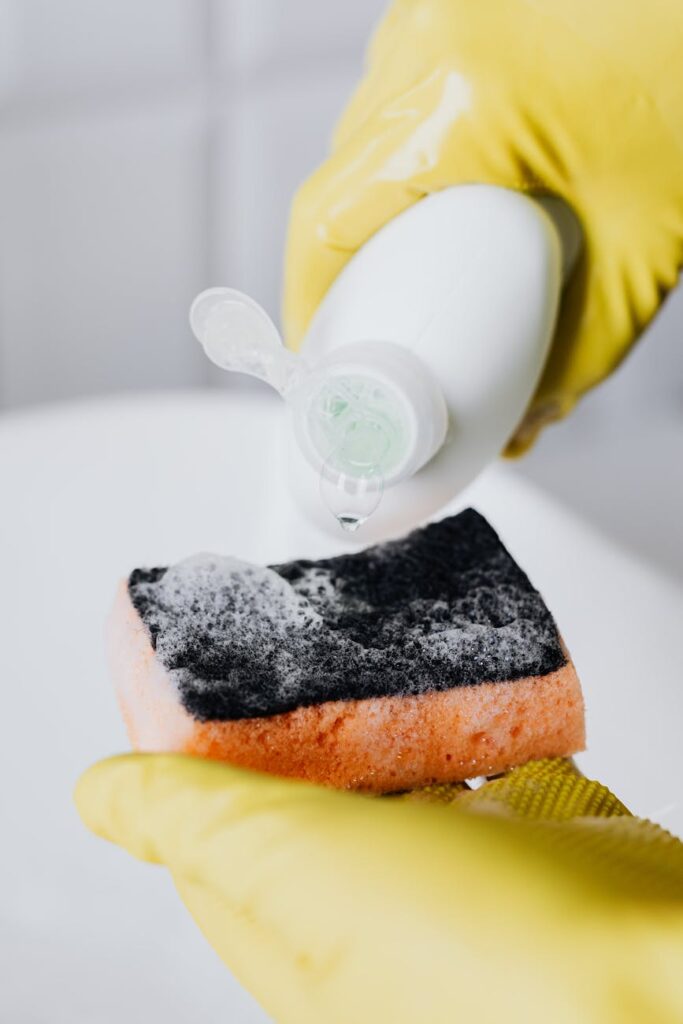
Kitchen Sponge Odor Cleaning Guide Part 2
Introduction
Kitchen sponges are essential tools for household cleaning. However, they often develop unpleasant odors, making them less effective and even a potential source of bacteria. This guide will help you understand the causes of sponge odor, practical solutions to eliminate the smell, and tips for preventing future issues.
What Causes Cleaning?
The unpleasant smell from kitchen sponges primarily comes from food particles, grease, and moisture that get trapped within the sponge’s porous structure. When these substances break down, they create a breeding ground for bacteria and mold, which results in that characteristic odor.
Why This Problem Happens
1. Moisture: Sponges retain water, which can lead to mold growth.
2. Food Residue: Bits of food stuck in the sponge can decompose and contribute to odor.
3. Temperature: Warm, damp environments accelerate bacterial growth.
4. Lack of Cleaning: If sponges aren’t cleaned regularly, odors can build up over time.
Understanding these factors will help you tackle the problem effectively.
How to Fix Cleaning (Step-by-Step)
Step 1: Rinse
Start by rinsing the sponge under warm water. This will help to remove any surface residue.
Step 2: Soak
Prepare a cleaning solution. You can choose from the following:
- Vinegar Solution: Mix equal parts of white vinegar and water in a bowl. Soak the sponge for 5-10 minutes.
- Bleach Solution: Mix one tablespoon of bleach with one quart of water. Soak the sponge for about 5 minutes. Make sure to do this in a well-ventilated area.
- Dampen the sponge and place it in the microwave on high for 1-2 minutes. This kills bacteria and eliminates odors. Ensure the sponge is microwave-safe, and be cautious of hot steam when removing it.
- Place the sponge on the top rack of your dishwasher during a hot cycle. This not only cleans but also sanitizes the sponge.
- Make a paste using baking soda and water. Apply it to the sponge, let it sit for 10 minutes, then rinse. Baking soda neutralizes odors effectively.
- Add a few drops of tea tree or lavender essential oil to your cleaning solution for added antibacterial properties and pleasant fragrance.
Step 3: Scrub
After soaking, use a scrub brush to gently scrub the sponge. This will help dislodge any stubborn food particles and remove bacteria.
Step 4: Rinse Again
Rinse the sponge thoroughly under warm water to remove any cleaning solution. Squeeze out excess water.
Step 5: Dry
Place the sponge in a well-ventilated area to air dry completely. Avoid placing it in a closed space, as this can trap moisture and lead to further odor.
Best Cleaning Methods
1. Microwave Method:
2. Dishwasher Method:
3. Baking Soda Paste:
4. Essential Oils:
Common Mistakes to Avoid
1. Not Cleaning Regularly: Failing to clean your sponge frequently allows odors to build up. Aim to clean it every few days.
2. Using Hot Water Only: Hot water is great for cleaning but may not eliminate bacteria. Always use a cleaning solution.
3. Neglecting Drying: Storing a damp sponge in a closed container promotes odor. Always allow it to dry completely.
4. Ignoring Replacement: Sponges should be replaced every 1-2 weeks. If the odor persists after cleaning, it’s time for a new sponge.
Prevention Tips
1. Keep It Dry: After each use, squeeze out excess water and store the sponge in a well-ventilated area.
2. Use Separate Sponges: Designate specific sponges for different tasks (e.g., dishes, countertops) to minimize cross-contamination.
3. Regular Cleaning Routine: Incorporate sponge cleaning into your regular cleaning schedule to prevent odors from forming.
4. Invest in Antimicrobial Sponges: Consider using sponges with built-in antimicrobial properties to help reduce odor-causing bacteria.
5. Limit Food Contact: Try to use the sponge only on clean surfaces to avoid trapping food particles.
Frequently Asked Questions
1. How often should I clean my kitchen sponge?
Aim to clean your sponge every few days, especially if you use it frequently.
2. Can I bleach my sponge?
Yes, but use a diluted bleach solution and avoid soaking it for too long. Rinse thoroughly afterward.
3. What if my sponge still smells after cleaning?
If the odor persists, it’s likely time to replace the sponge. Sponges can harbor bacteria that are not easily removed.
4. Are there sponges that resist odors better than others?
Yes, some sponges are specifically designed with antimicrobial properties that help reduce odors.
5. Can I wash my sponge in the washing machine?
While it’s not the most common method, some sponges can be washed in the washing machine. Check the label for instructions.
6. Is it safe to use a microwave to clean my sponge?
Yes, microwaving a damp sponge for 1-2 minutes can kill bacteria, but ensure it’s microwave-safe and handle it with care due to hot steam.
Conclusion
Dealing with kitchen sponge odor can be a hassle, but with the right cleaning methods and preventative measures, you can keep your sponges fresh and odor-free. Regular maintenance and proper storage are key to ensuring your kitchen remains a clean and pleasant space. Follow the steps outlined in this guide to tackle any sponge odor effectively, and enjoy a more hygienic home.