
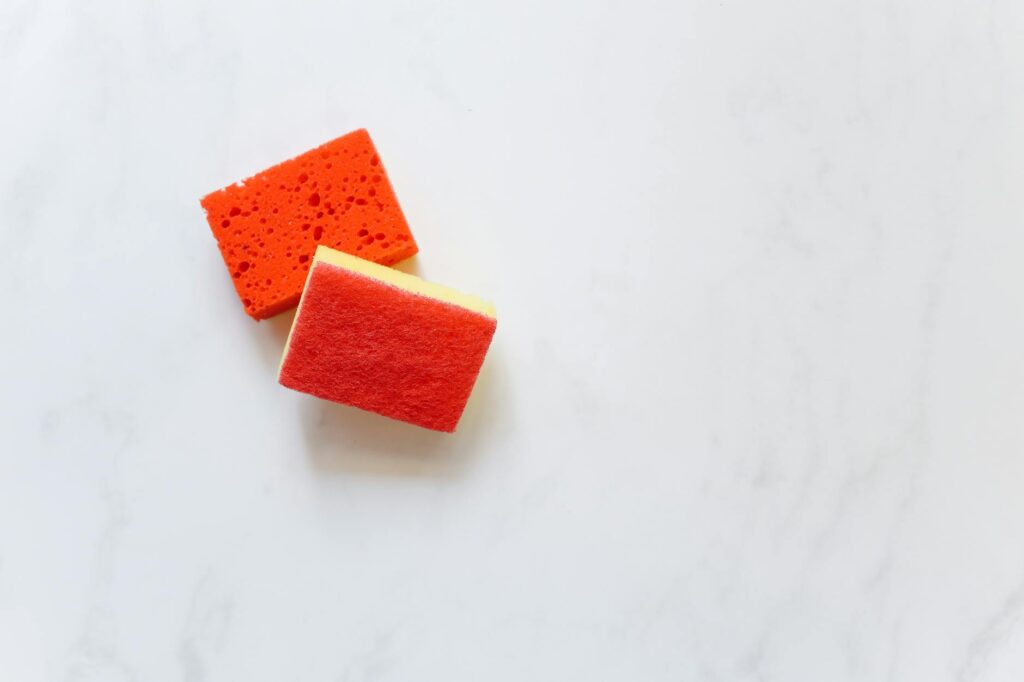
Kitchen Sponge Mold Stains Guide Part 2
Introduction
Kitchen sponges are indispensable tools in our daily cleaning routines. However, they can become breeding grounds for mold and bacteria, leading to unsightly stains and unpleasant odors. In this guide, we will delve into the causes of kitchen sponge mold stains, how to effectively remove them, and best practices to maintain your sponges in a clean and safe condition.
What Causes Stains?
Stains on kitchen sponges are primarily caused by:
1. Moisture: Sponges retain water, creating a damp environment ideal for mold growth.
2. Food Residue: Leftover food particles can cling to sponges, attracting mold and bacteria.
3. Poor Drying Conditions: Storing sponges in closed containers or damp environments prevents them from drying out properly, exacerbating mold growth.
4. Long Usage: Over time, sponges wear down and can develop stains from prolonged exposure to moisture and food particles.
Why This Problem Happens
Understanding why kitchen sponge mold stains occur can help you combat the issue more effectively. Here are some key reasons:
- Microbial Growth: Mold thrives in warm, wet environments. Sponges that are regularly soaked in water or left damp provide the perfect conditions for mold spores to settle and reproduce.
- Improper Cleaning: If sponges are not cleaned regularly or effectively, they can accumulate residues that promote mold growth.
- Environmental Factors: High humidity levels in your kitchen can contribute to the problem. Cooking steam and spills can create a consistently damp atmosphere.
- White vinegar
- Baking soda
- Hydrogen peroxide
- Dish soap
- A bowl or spray bottle
- Gloves (optional)
How to Fix Stains (Step-by-Step)
Removing stains from your kitchen sponge might seem daunting, but with the right approach, it can be straightforward. Here’s a step-by-step guide:
Step 1: Gather Your Supplies
You will need:
Step 2: Pre-Treat the Sponge
1. Vinegar Soak: Fill a bowl with equal parts water and white vinegar. Submerge the sponge and let it soak for about 5-10 minutes.
2. Baking Soda Paste: Alternatively, make a paste with baking soda and water. Apply it directly to the stained areas of the sponge.
Step 3: Scrub the Stains
Using an old toothbrush or scrub brush, gently scrub the sponge to lift stains. Pay special attention to any heavily stained areas.
Step 4: Rinse Thoroughly
Rinse the sponge under hot running water to remove any residue from cleaning agents.
Step 5: Sanitize the Sponge
To further disinfect, soak the sponge in a solution of one part hydrogen peroxide to three parts water for about 5 minutes.
Step 6: Dry Properly
After cleaning, squeeze out excess water and place the sponge in a well-ventilated area to dry completely.
Best Cleaning Methods
Different methods can effectively tackle kitchen sponge mold stains:
1. Vinegar and Water: This natural solution is great for cutting through grime and disinfecting your sponge.
2. Baking Soda: Known for its abrasive properties, baking soda can scrub away stains and neutralize odors.
3. Hydrogen Peroxide: As a strong disinfectant, hydrogen peroxide can kill mold and bacteria effectively.
4. Microwave Method: Place a damp sponge in the microwave for 1-2 minutes. This method can kill most germs and mold but should only be done if the sponge is not synthetic.
Common Mistakes to Avoid
To maintain clean and stain-free sponges, avoid these common pitfalls:
1. Neglecting Regular Cleaning: Failing to clean your sponge regularly allows stains and bacteria to build up.
2. Using Hot Water for Rinsing: Hot water can damage the sponge material over time. Rinse with warm or cool water instead.
3. Storing in Closed Containers: Always allow your sponge to dry out after use. Avoid keeping it in a closed container or drawer.
4. Using the Same Sponge for Different Tasks: Designate sponges for specific uses (e.g., one for dishes, one for countertops) to minimize cross-contamination.
Prevention Tips
Preventing kitchen sponge mold stains is easier than dealing with them after they appear. Here are some practical tips:
1. Regularly Replace Sponges: Aim to replace your sponges every 2-4 weeks to prevent mold buildup.
2. Store Sponges in a Dry Environment: Keep sponges in a well-ventilated area to promote drying.
3. Clean after Each Use: Rinse and wring out sponges after each use to remove food particles and reduce moisture.
4. Use a Dishwasher: If your sponge is dishwasher-safe, run it through a cleaning cycle once a week.
5. Add Essential Oils: A few drops of tea tree or lavender oil can help inhibit mold growth while adding a pleasant scent.
Frequently Asked Questions
1. How often should I replace my kitchen sponge?
Aim to replace your kitchen sponge every 2-4 weeks, or sooner if it starts to smell or show signs of wear.
2. Can I use bleach to clean my sponge?
While bleach can disinfect, it may weaken the sponge material over time. Use vinegar or baking soda for safer options.
3. Are certain sponges more prone to mold?
Yes, natural sponges and those with more porous materials are often more susceptible to mold than synthetic sponges.
4. Can I wash my sponge in the washing machine?
Some sponges can be washed in the machine, but always check the manufacturer’s instructions first.
5. What should I do if my sponge still smells after cleaning?
If the smell persists after cleaning, it may be time to replace the sponge. Persistent odors indicate that bacteria or mold have likely penetrated too deeply.
6. Is it safe to microwave a sponge?
Yes, microwaving a damp sponge for 1-2 minutes can kill most germs. Ensure it’s not synthetic, as some materials may be flammable.
By following these steps and tips, you can effectively manage and prevent kitchen sponge mold stains, ensuring a cleaner and healthier kitchen environment.