
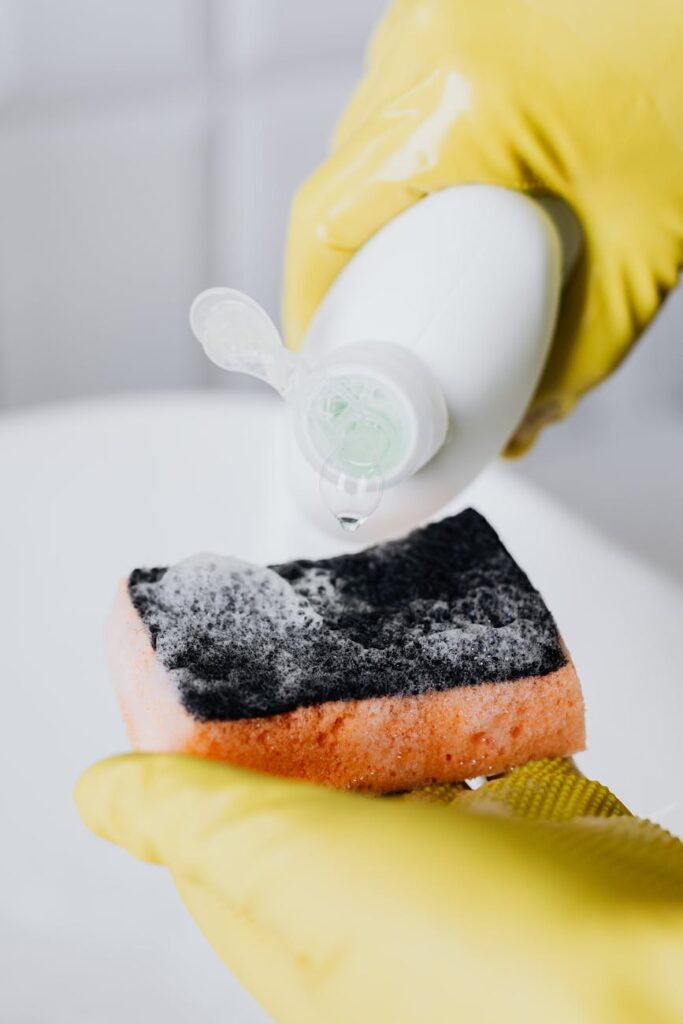
Kitchen Sponge Mold Stains Guide Part 1
Introduction
Kitchen sponges are essential tools for cleaning dishes and surfaces, but they can also become breeding grounds for mold and bacteria. If you’ve noticed unsightly stains on your kitchen sponge, it’s time to take action. This guide will walk you through the causes of these stains, how to effectively clean them, and tips for preventing future problems.
What Causes Stains?
Kitchen sponge mold stains are primarily caused by:
1. Food Particles: Leftover food can get trapped in the sponge’s porous material, leading to mold growth.
2. Moisture: Sponges retain moisture, providing a perfect environment for mold and bacteria.
3. Temperature: Warm environments can accelerate mold growth, especially if the sponge is left damp.
4. Poor Drying: If a sponge is not allowed to dry completely, it becomes a breeding ground for mold.
Understanding these factors can help you tackle the problem effectively.
Why This Problem Happens
Kitchen sponges are often overlooked in daily cleaning routines. Here are the reasons why they develop mold stains:
- Frequent Use: Sponges are used daily, making them susceptible to accumulating grime and moisture.
- Improper Storage: Storing sponges in enclosed spaces without ventilation traps moisture.
- Neglecting Cleaning: Many homeowners forget to clean their sponges regularly, allowing mold to flourish.
- Type of Sponge: Some sponges are made from materials that retain moisture more than others, increasing mold risk.
- Vinegar Solution: Mix equal parts white vinegar and water in a bowl. Soak the sponge for 5–10 minutes.
- Bleach Solution: Combine one tablespoon of bleach with one quart of water. Soak for 5 minutes, ensuring adequate ventilation.
- Baking Soda Paste: Mix baking soda with a small amount of water to create a paste. Apply it directly to the stains and let it sit for 10 minutes.
- How to: Wet the sponge, place it in the microwave on high for 1–2 minutes. This kills bacteria and helps remove stains.
- Caution: Ensure the sponge is damp to prevent fire hazards.
- How to: Place the sponge in the top rack of your dishwasher during a hot cycle. The heat and detergent will clean it effectively.
- How to: Sprinkle baking soda on the sponge, then spray with vinegar. Allow it to fizz for a few minutes before rinsing.
- Ignoring Regular Cleaning: Clean your sponge at least once a week.
- Storing in Enclosed Spaces: Always leave sponges in an open area to dry.
- Using Old Sponges: Replace sponges every 2–4 weeks, especially if they show signs of wear or staining.
- Using Excessive Cleaning Products: Overusing chemicals can damage the sponge and lead to more stains.
- Rinse After Use: Always rinse the sponge after each use to remove food particles.
- Use Multiple Sponges: Consider using separate sponges for different tasks (e.g., dishes, countertops).
- Wash Regularly: Clean sponges weekly using one of the methods mentioned above.
- Dry Properly: Hang sponges in a well-ventilated area to dry completely.
- Consider Alternatives: Use disposable wipes or cloths that can be washed frequently.
How to Fix Stains (Step-by-Step)
Cleaning mold stains from your kitchen sponge can be straightforward. Follow this step-by-step process:
Step 1: Inspect the Sponge
Examine the sponge carefully. If it’s heavily stained or has a foul odor, it may be time to replace it.
Step 2: Rinse Thoroughly
Rinse the sponge under warm water to remove any loose debris. Squeeze it gently to remove excess water.
Step 3: Soak in a Cleaning Solution
Prepare a cleaning solution using one of the following methods:
Step 4: Scrub the Sponge
After soaking, use a scrub brush or your hands to scrub the sponge, focusing on the stained areas.
Step 5: Rinse Again
Thoroughly rinse the sponge under warm water to remove any cleaning solution and debris.
Step 6: Dry Completely
Ensure the sponge dries completely by placing it in a well-ventilated area. Avoid storing it in a closed cabinet.
Best Cleaning Methods
Here are some effective methods to clean kitchen sponges:
1. Microwave Method
2. Dishwasher Method
3. Vinegar and Baking Soda
Common Mistakes to Avoid
To maintain clean sponges and prevent stains, avoid these common mistakes:
Prevention Tips
To prevent kitchen sponge mold stains:
Frequently Asked Questions
1. How often should I replace my kitchen sponge?
Replace your kitchen sponge every 2–4 weeks, or sooner if it shows signs of wear or odor.
2. Can I use a sponge that has mold stains?
It’s best to avoid using sponges with visible mold stains or an unpleasant smell. Replace them to ensure proper hygiene.
3. What’s the best way to disinfect a sponge?
The microwave method or soaking in a bleach solution are effective ways to disinfect a sponge.
4. Is it safe to clean sponges with bleach?
Yes, using a diluted bleach solution is safe and effective, but ensure good ventilation and rinse thoroughly afterward.
5. How can I tell if my sponge is too old?
If the sponge has a foul odor, is discolored, or has lost its shape, it’s time to replace it.
6. Are there eco-friendly alternatives to traditional sponges?
Yes, consider using natural sponges, bamboo cloths, or compostable dishcloths for a more eco-friendly option.
Conclusion
Maintaining clean and stain-free kitchen sponges is crucial for a hygienic kitchen. By understanding what causes mold stains, how to clean them effectively, and implementing prevention strategies, you can extend the life of your sponges and keep your kitchen safe. Follow the tips outlined in this guide to tackle any sponge-related issues confidently.