
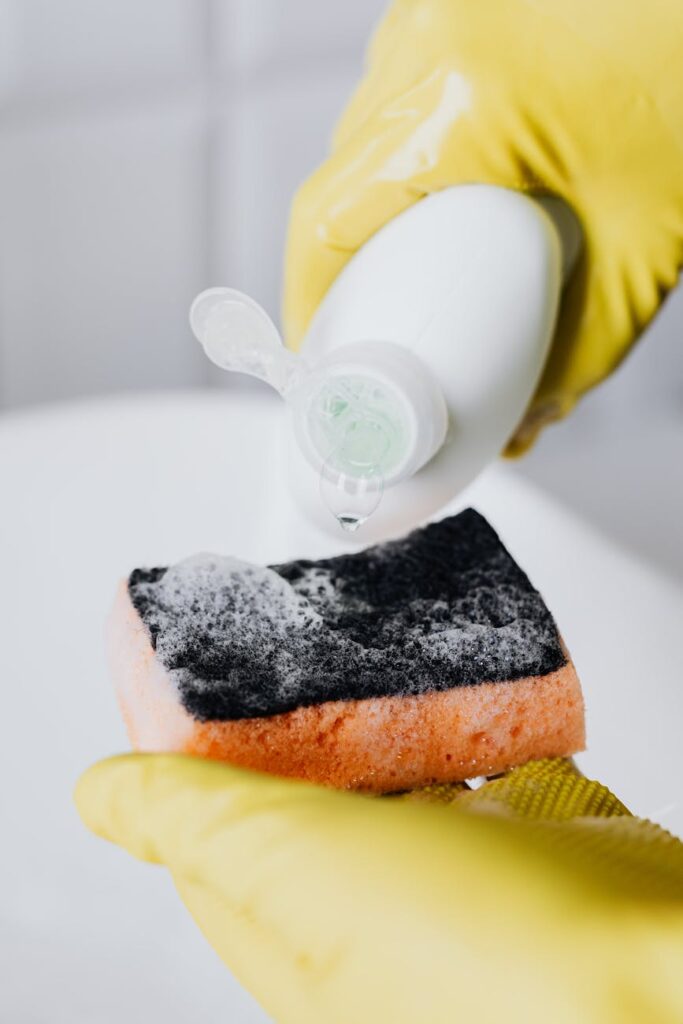
Kitchen Sponge Mold Odours Guide Part 1
Introduction
Kitchen sponges are essential tools for cleaning, but they can also become a breeding ground for mold and unpleasant odours. If you’ve noticed a foul smell coming from your sponge, it’s time to take action. This guide will help you understand what causes these odours, how to eliminate them, and how to prevent future occurrences.
What Causes Odours?
Odours from kitchen sponges usually stem from the growth of bacteria and mold. When sponges absorb food particles, moisture, and heat, they create an ideal environment for microorganisms to thrive. As these bacteria multiply, they release volatile compounds that produce a foul smell.
Common Causes:
- Food Residue: Leftover food trapped in the sponge.
- Moisture: Sponges that remain wet for extended periods.
- Poor Air Circulation: Storing sponges in closed containers can trap moisture and odors.
- Warmth: Sponges left near the sink or stove.
- Humidity: Kitchens can be humid environments, especially after cooking.
- Neglect: Forgetting to clean or replace sponges regularly.
Why This Problem Happens
The kitchen is often a busy place, and sponges can quickly become contaminated. Frequent use, combined with the right conditions, leads to the growth of bacteria and mold.
Key Factors:
Understanding these factors can help you tackle odour issues before they escalate.
How to Fix Odours (Step-by-Step)
If you’re dealing with a smelly sponge, follow these steps to restore freshness:
Step 1: Rinse Thoroughly
Rinse the sponge under hot running water. This will help remove surface debris and some bacteria.
Step 2: Soak in Vinegar
Mix equal parts white vinegar and water in a bowl. Submerge the sponge in the solution for about 5-10 minutes. Vinegar is a natural disinfectant and deodorizer.
Step 3: Rinse Again
After soaking, rinse the sponge under hot water again to remove the vinegar smell.
Step 4: Microwave (if applicable)
If your sponge is microwave-safe, place it in the microwave for 1-2 minutes. This can kill off bacteria and help eliminate odours. Ensure it’s damp to prevent fire hazards.
Step 5: Dry Completely
After cleaning, squeeze out excess water and allow the sponge to dry completely in a well-ventilated area. This helps prevent future mould growth.
Best Cleaning Methods
To keep your sponges odour-free, consider these effective cleaning methods:
1. Dishwasher Method
Place your sponge in the top rack of your dishwasher during a regular wash cycle. The heat and detergent will help sanitize and deodorize it.
2. Bleach Solution
For persistent odours, mix one tablespoon of bleach with a quart of water. Soak the sponge for 5 minutes, then rinse thoroughly. Use this method sparingly, as bleach can degrade the sponge over time.
3. Baking Soda Paste
Make a paste with baking soda and water. Apply it to the sponge, let it sit for 10 minutes, then rinse. Baking soda is excellent for neutralizing odours.
4. Saltwater Soak
Dissolve salt in warm water and soak the sponge for 10 minutes. Salt is a natural antibacterial agent.
Common Mistakes to Avoid
To effectively combat sponge odours, avoid these common pitfalls:
1. Neglecting Replacement
Sponges should be replaced every 1-2 weeks. Holding onto old sponges can perpetuate odour problems.
2. Storing Wet Sponges
Always store sponges in a dry area. Leaving them in a wet environment encourages mold growth.
3. Using the Same Sponge for Everything
Designate separate sponges for different tasks (e.g., dishes, counters). This reduces cross-contamination and odours.
4. Ignoring Signs of Wear
If a sponge looks worn or frayed, it’s time to replace it. Worn sponges are less effective and more prone to odours.
Prevention Tips
Taking preventive measures can significantly reduce odours from kitchen sponges:
1. Regular Cleaning
Establish a routine for cleaning sponges weekly using the methods mentioned above.
2. Thorough Drying
Always allow sponges to dry completely after use. Place them in a well-ventilated area.
3. Use Two Sponges
Keep one sponge for washing dishes and another for wiping surfaces. This limits the transfer of bacteria and odours.
4. Incorporate Essential Oils
Adding a few drops of lemon or tea tree oil to your cleaning routine can help deodorize sponges and provide antibacterial properties.
5. Use a Sponge Holder
Invest in a sponge holder that allows for air circulation. This can help keep your sponge dry and odour-free.
Frequently Asked Questions
1. How often should I replace my kitchen sponge?
You should replace your kitchen sponge every 1-2 weeks, depending on usage.
2. Can I use the microwave method on all sponges?
Not all sponges are microwave-safe. Check the label before attempting this method.
3. What’s the best way to store sponges?
Store sponges in a dry, well-ventilated area. Avoid closed containers that trap moisture.
4. Can I wash sponges in the washing machine?
Yes, you can wash sponges in the washing machine, but they should be placed in a mesh bag to prevent damage.
5. Is bleach safe for all types of sponges?
No, bleach can degrade certain types of sponges. Use this method sparingly and check compatibility first.
6. Can I prevent sponge odours with baking soda?
Yes, baking soda is effective in neutralizing odours and can be used regularly as part of your cleaning routine.
By following these guidelines, you can keep your kitchen sponges fresh and odour-free, ensuring a cleaner and more pleasant kitchen environment. Stay tuned for Part 2, where we’ll dive deeper into advanced cleaning techniques and alternatives for kitchen sponges.