
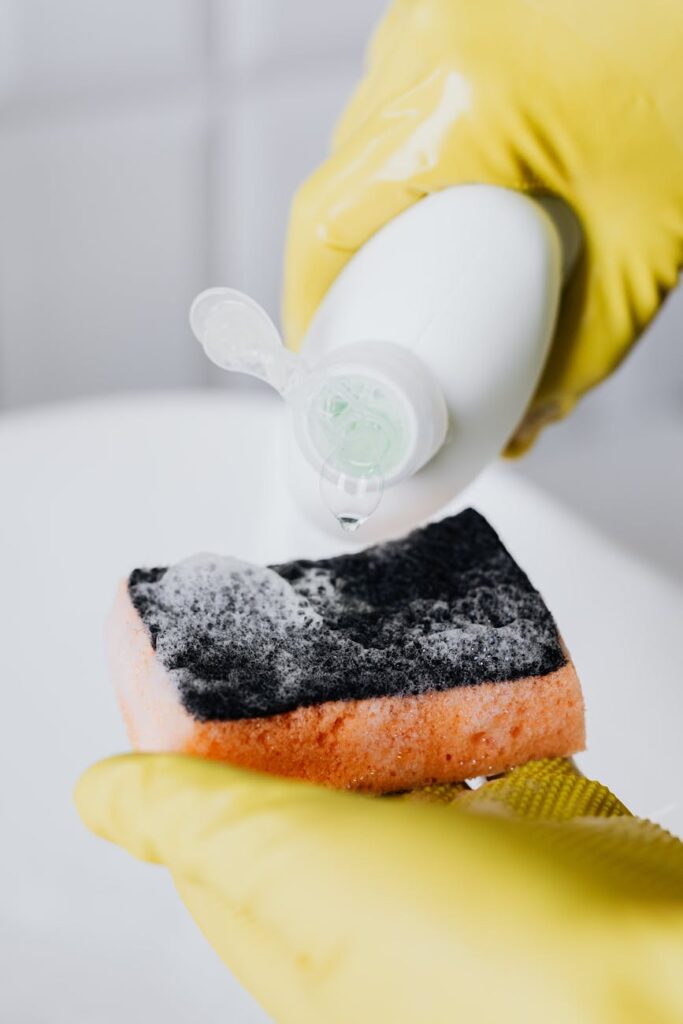
Kitchen Sponge Mold Mould & Damp Guide Part 1
Introduction
Kitchen sponges are essential cleaning tools, but they can quickly become a breeding ground for mould and damp if not properly maintained. This guide will explore the causes of sponge mould, how to fix the issue, the best cleaning methods, and preventative measures to keep your kitchen sponge fresh and hygienic.
What Causes Mould & Damp?
Mould thrives in damp environments, and kitchen sponges provide the perfect habitat. They are often wet, stored in closed containers, and may not dry out properly. The combination of moisture, food particles, and warmth creates an ideal setting for mould growth.
Key Factors:
- Moisture: Sponges are frequently soaked in water.
- Food Residue: Leftover food particles can feed mould spores.
- Warm Temperatures: Kitchens tend to be warm, especially during cooking.
- Boiling Water: Place the sponge in boiling water for 5-10 minutes to kill mould spores.
- Vinegar and Baking Soda: Mix equal parts of vinegar and water in a bowl, soak the sponge for 10-15 minutes, then rinse. For an extra boost, sprinkle some baking soda on the sponge before soaking.
- How to Use: Wet the sponge and place it in the microwave for 1-2 minutes. Ensure it’s damp, as dry sponges can catch fire.
- Why It Works: The heat kills 99% of bacteria and mould.
- How to Use: Place your sponge in the dishwasher during a hot wash cycle.
- Why It Works: The high temperatures and detergent effectively clean the sponge.
- How to Use: Soak the sponge in a solution of one part vinegar to two parts water for 10-15 minutes.
- Why It Works: Vinegar is a natural disinfectant that inhibits mould growth.
Why This Problem Happens
Understanding why mould and damp occur in kitchen sponges is crucial for effective cleaning. Here are the primary reasons:
1. Infrequent Cleaning: Many people forget to clean their sponges regularly, allowing mould to establish itself.
2. Improper Storage: Storing sponges in a closed, damp environment (like a sink) traps moisture and promotes mould growth.
3. Using Dirty Water: If you use your sponge in dirty water, you’re essentially giving mould a buffet.
How to Fix Mould & Damp (Step-by-Step)
If you discover mould on your kitchen sponge, follow these steps to eliminate it effectively:
Step 1: Dispose of Heavily Soiled Sponges
If your sponge is heavily mouldy or has an unpleasant odor, it’s best to throw it away. It’s not worth the risk of cross-contamination.
Step 2: Rinse Thoroughly
If the sponge is only mildly affected, rinse it under hot running water. Make sure to squeeze it to remove any trapped particles.
Step 3: Disinfect
Step 4: Dry Completely
After cleaning, squeeze out excess water and allow the sponge to air dry completely in a well-ventilated area.
Best Cleaning Methods
Using the right cleaning methods can significantly reduce mould growth on your kitchen sponge. Here are some of the best techniques:
1. Microwave Method
2. Dishwasher Method
3. Vinegar Soak
Common Mistakes to Avoid
Avoid these common pitfalls that can lead to mould and damp in your kitchen sponge:
1. Neglecting Regular Cleaning
Many homeowners forget to clean their sponges regularly. Aim to clean your sponge at least once a week.
2. Storing Sponges in Closed Containers
Storing sponges in a closed environment traps moisture. Instead, keep them in an open area to allow for air circulation.
3. Using the Same Sponge for Everything
Using one sponge for multiple tasks can transfer bacteria. Consider designating sponges for specific jobs (dishes, countertops, etc.).
Prevention Tips
Keeping your kitchen sponge free from mould and damp requires proactive measures. Here are some effective prevention tips:
1. Rotate Sponges
Have multiple sponges on hand and rotate their use. This allows each sponge to dry fully between uses.
2. Use a Sponge Holder
Invest in a sponge holder that promotes drainage and airflow, keeping the sponge dry.
3. Dry Thoroughly
After each use, make it a habit to rinse and wring out your sponge, then place it in a well-ventilated area to dry.
4. Replace Regularly
Sponges should be replaced every few weeks. Don’t wait for them to smell or look dirty.
Frequently Asked Questions
1. How often should I replace my kitchen sponge?
It’s recommended to replace your kitchen sponge every 2-4 weeks, or sooner if it starts to smell or show signs of mould.
2. Can I use bleach to clean my sponge?
While bleach can disinfect, it may not be the best choice as it can degrade the sponge material. Opt for vinegar or baking soda for a safer alternative.
3. Is it safe to use a microwave to clean my sponge?
Yes, microwaving a damp sponge is an effective method to kill mould and bacteria, but ensure it’s wet to prevent fires.
4. What is the best way to store my sponge?
Store your sponge in a holder that allows it to drain and air out. Avoid closed containers to reduce moisture retention.
5. Can I wash my sponge in the washing machine?
Yes, you can wash your sponge in the washing machine. Use hot water and let it air dry afterward.
6. What are the signs that my sponge needs to be replaced?
Signs include a foul odor, visible mould, or a change in texture. If in doubt, it’s safer to replace it.
By following this guide, you can effectively tackle mould and damp issues with your kitchen sponge, maintaining a clean and healthy kitchen environment. Stay tuned for Part 2, where we will delve deeper into advanced cleaning techniques and alternatives to traditional sponges.