
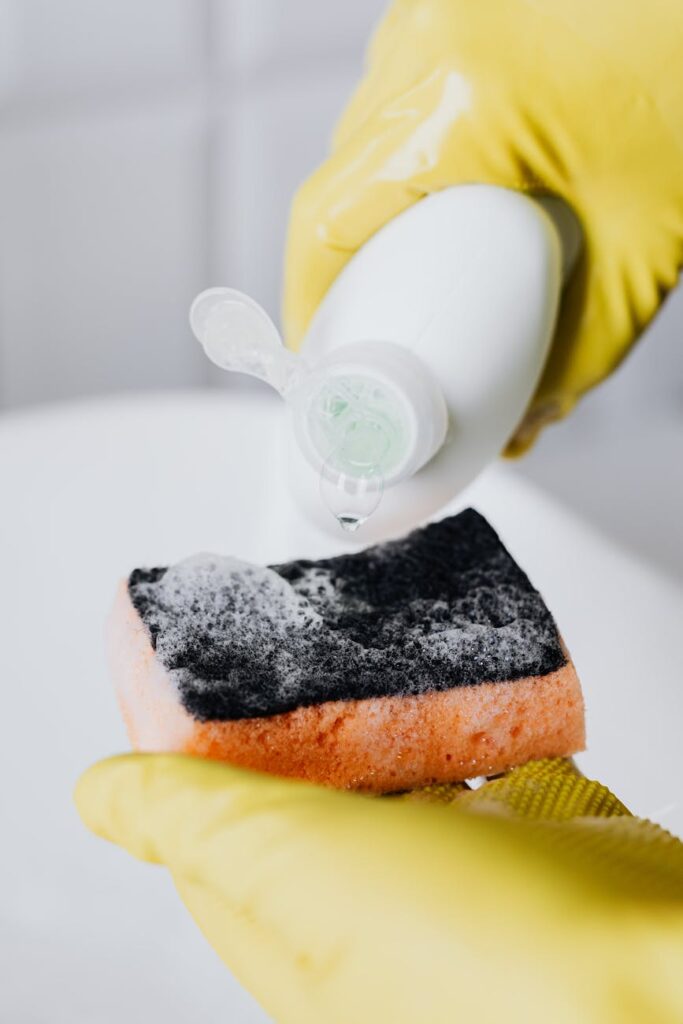
Kitchen Sponge Mold Laundry Guide Part 1
Introduction
Kitchen sponges are essential tools for keeping our kitchens clean. However, they can quickly become a breeding ground for mold and bacteria if not cared for properly. This article provides practical solutions for tackling moldy sponges and keeping your kitchen clean and safe. We’ll cover what causes laundry, why it happens, and how to effectively fix the issue, along with prevention tips.
What Causes Laundry?
When we refer to “laundry” in the context of kitchen sponges, we are discussing the undesirable buildup of mold, mildew, and bacteria found on these cleaning tools. Sponges absorb food particles and moisture, making them an ideal environment for microbial growth. If you notice a musty smell or visual signs of mold, it’s time to take action.
Why This Problem Happens
Kitchen sponges are often damp and frequently come into contact with food residues. Here are a few common reasons mold develops on sponges:
1. Moisture Retention: Sponges retain water, creating a humid environment.
2. Food Particles: Leftover food can easily become trapped within the sponge’s porous surface.
3. Temperature: Warm kitchen environments can accelerate mold growth.
4. Infrequent Cleaning: Neglecting to clean or replace sponges allows mold to proliferate.
Understanding these factors is crucial for effectively addressing and preventing mold growth.
How to Fix Laundry (Step-by-Step)
Fixing moldy kitchen sponges requires both immediate action and ongoing maintenance. Here’s a step-by-step guide to tackle the issue:
Step 1: Assess the Sponge
- Visual Inspection: Check for visible mold or discoloration. If the sponge is heavily contaminated, it’s best to discard it.
- Smell Test: If it emits a foul odor, it’s a sign that mold is present.
- Air Dry: Squeeze out excess water and place the sponge in a dry area to prevent future mold growth. A well-ventilated area is ideal.
Step 2: Clean the Sponge
If the sponge is salvageable, follow these methods to clean it:
Method 1: Microwave Cleaning
1. Dampen the Sponge: Ensure the sponge is wet (not dripping).
2. Place in Microwave: Microwave on high for 1-2 minutes.
3. Caution: Allow it to cool before handling, as it can be very hot.
Method 2: Soak in Vinegar
1. Prepare Solution: Mix equal parts vinegar and water in a bowl.
2. Soak the Sponge: Submerge the sponge for 5-10 minutes.
3. Rinse Thoroughly: After soaking, rinse under hot water.
Method 3: Dish Soap and Bleach
1. Mix Solution: Combine a tablespoon of bleach with a quart of warm water.
2. Soak the Sponge: Let the sponge soak for 5 minutes.
3. Rinse Well: Rinse thoroughly to remove any bleach residue.
Step 3: Dry the Sponge
Best Cleaning Methods
To keep your sponges in peak condition and reduce mold growth, consider these effective cleaning methods:
1. Regular Microwave Cleaning: Use the microwave method weekly to kill bacteria.
2. Vinegar Soak: Incorporate a vinegar soak into your cleaning routine every few days.
3. Dishwasher Cleaning: Place sponges on the top rack of the dishwasher during a hot cycle.
Common Mistakes to Avoid
To effectively manage kitchen sponge mold, avoid these common pitfalls:
1. Neglecting Cleaning: Don’t wait until mold is visible or smells bad. Clean regularly.
2. Using a Dirty Sponge: Avoid using sponges that are heavily soiled. Replace them as needed.
3. Storing Wet Sponges: Never leave sponges in a closed container or damp area. Always allow them to dry out.
Prevention Tips
Preventing mold growth on kitchen sponges is key to maintaining a clean kitchen. Here are some practical tips:
1. Replace Sponges Regularly: Aim to replace sponges every 1-2 weeks.
2. Dry Thoroughly: Always squeeze out excess water and allow sponges to dry between uses.
3. Use Multiple Sponges: Have designated sponges for different tasks (e.g., dishes vs. countertops).
4. Store in a Well-Ventilated Area: Keep sponges in an open container or hanging to promote airflow.
Frequently Asked Questions
1. How often should I replace my kitchen sponge?
It’s best to replace your kitchen sponge every 1-2 weeks, depending on usage and condition.
2. Can I wash my sponge in the washing machine?
Yes, you can wash sponges in the washing machine, but ensure they are securely placed in a mesh bag to prevent damage.
3. Is it safe to use bleach on sponges?
Yes, but be sure to rinse thoroughly after using bleach to avoid residue, which can be harmful.
4. What are the signs that my sponge needs replacing?
Signs include visible mold, a foul odor, or a noticeable change in texture.
5. Can I use a sponge that has been microwaved?
Yes, microwaving can kill bacteria, but inspect the sponge for any signs of damage first.
6. How can I make my sponges last longer?
Regular cleaning, thorough drying, and proper storage can extend the lifespan of your sponges.
By following these guidelines, you can keep your kitchen sponges clean, effective, and free from harmful mold. Stay tuned for Part 2 of this guide, where we’ll explore deeper cleaning techniques and alternative sponge options for your kitchen.