
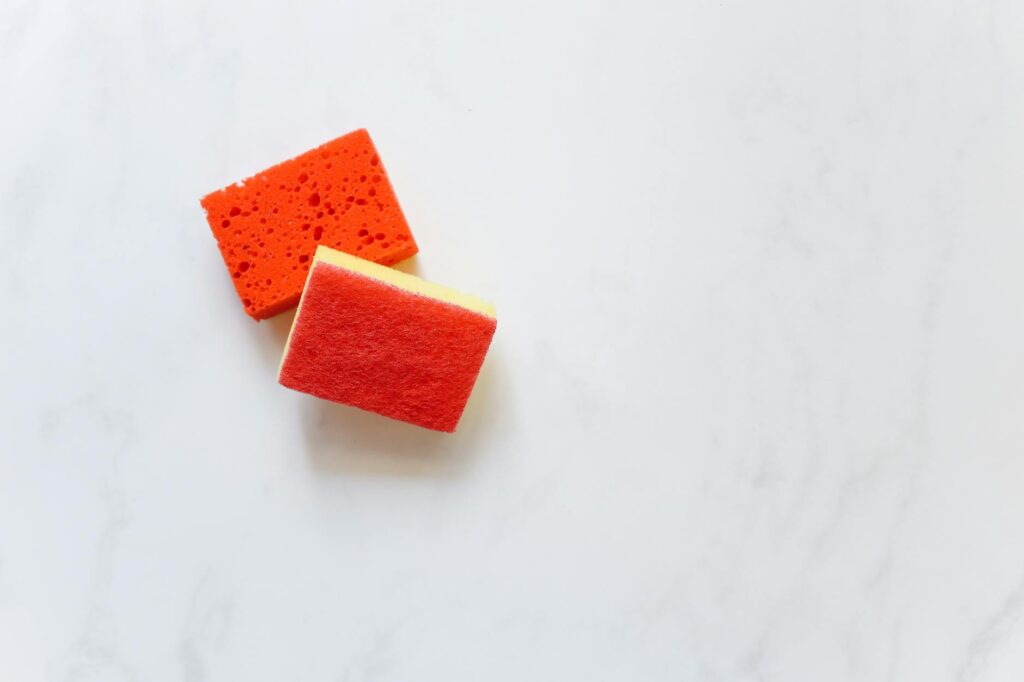
Kitchen Sponge Mold Kitchen Guide Part 2
Introduction
Kitchen sponges are essential tools for cleaning, but they can quickly become breeding grounds for mold and bacteria. Understanding how to deal with sponge mold not only helps maintain a clean kitchen but also ensures that your cleaning efforts are effective. This guide will provide you with practical solutions for dealing with kitchen sponge mold, helping you to keep your kitchen safe and sanitary.
What Causes Kitchen Sponge Mold?
Mold thrives in warm, damp environments, making kitchen sponges ideal for growth. The primary causes of sponge mold include:
1. Moisture: Sponges retain water, especially after use, creating a perfect habitat for mold.
2. Food Particles: Leftover food particles trapped in the sponge provide nutrients for mold.
3. Temperature: The warm environment of a kitchen, especially near the sink, promotes mold growth.
4. Poor Drying: If sponges are not adequately dried between uses, they can remain damp for extended periods.
Why This Problem Happens
The combination of moisture, food residue, and warm temperatures creates an ideal environment for mold spores to flourish. When sponges are used frequently without proper cleaning or drying, they become a health hazard rather than a cleaning tool. Mold can release spores into the air and contaminate surfaces, leading to potential health risks for you and your family.
How to Fix Kitchen Sponge Mold (Step-by-Step)
If you find mold on your kitchen sponge, follow these steps to remedy the situation:
Step 1: Dispose of the Sponge
- Assess the Damage: If the sponge is heavily soiled or has a persistent odor, it’s best to throw it away.
- Wipe Down Surfaces: Use a disinfectant wipe or spray to clean the area where the sponge was stored to eliminate any lingering mold spores.
- Bleach Method:
- Vinegar Method:
- Microwave Method:
- Frequency: Replace sponges every 2-4 weeks, depending on usage.
Step 2: Clean the Area
Step 3: Disinfect Remaining Sponges
If you decide to keep the sponge:
1. Mix one part bleach with nine parts water in a bowl.
2. Soak the sponge in the solution for about 5 minutes.
3. Rinse thoroughly and allow it to dry completely.
1. Soak the sponge in a bowl of white vinegar for 30 minutes.
2. Rinse thoroughly and allow it to air dry.
1. Dampen the sponge and place it in the microwave.
2. Microwave on high for one minute (ensure it is damp to prevent fire).
3. Let it cool before handling, then allow it to dry completely.
Step 4: Replace the Sponge Regularly
Best Cleaning Methods
1. Hot Water Rinse
After each use, rinse your sponge in hot water to remove food particles and reduce moisture.
2. Disinfecting Soak
Use a disinfectant soak with bleach or vinegar once a week to kill bacteria and mold.
3. Microwave Disinfection
As mentioned, microwaving a damp sponge for one minute effectively disinfects it.
4. Dishwasher Cleaning
Place your sponge on the top rack of your dishwasher during a hot wash cycle for thorough cleaning.
Common Mistakes to Avoid
1. Not Replacing Sponges Regularly: Old sponges harbor mold and bacteria; always keep fresh ones on hand.
2. Ignoring Signs of Mold: If you see any discoloration or smell an odor, dispose of the sponge immediately.
3. Storing Sponges in Closed Containers: Always allow sponges to dry out by storing them in an open area.
4. Using Dirty Sponges on Clean Surfaces: This defeats the purpose of cleaning; always ensure your sponge is clean before use.
5. Overlooking the Cleaning of the Sponge Holder: Clean the holder or area where sponges are stored to prevent mold growth.
Prevention Tips
1. Dry After Use: Always squeeze excess water out of the sponge after use and let it dry completely.
2. Use Two Sponges: Designate one sponge for dishes and another for countertops to minimize cross-contamination.
3. Store Upright: Keep sponges in an upright position to facilitate airflow and drying.
4. Rotate Usage: If you have multiple sponges, rotate their use to give each sponge time to dry out.
5. Clean Sponges Regularly: Set a routine to clean and disinfect sponges at least once a week.
Frequently Asked Questions
1. Can I use a sponge that has mold on it?
It’s best to dispose of any sponge that has visible mold. Mold can release spores that contaminate surfaces.
2. How often should I replace my kitchen sponge?
Replace kitchen sponges every 2-4 weeks, depending on how frequently you use them.
3. Can I wash my sponge in the washing machine?
While some people do, it’s generally not as effective as other methods like microwaving or soaking in bleach.
4. Is it safe to use bleach on my sponge?
Yes, using a diluted bleach solution is safe and effective for disinfecting sponges. Rinse thoroughly afterward.
5. What’s better for disinfecting: bleach or vinegar?
Both are effective, but bleach kills more types of bacteria and mold. Vinegar is a good alternative for a more natural approach.
6. Should I keep my sponge in a dry or wet place?
Always store your sponge in a dry place, preferably upright, to allow it to air dry and prevent mold growth.
By understanding the causes of kitchen sponge mold and implementing effective cleaning and prevention strategies, you can maintain a cleaner and healthier kitchen environment. Follow the steps outlined, and you’ll have a reliable cleaning tool that keeps your kitchen sparkling clean!