
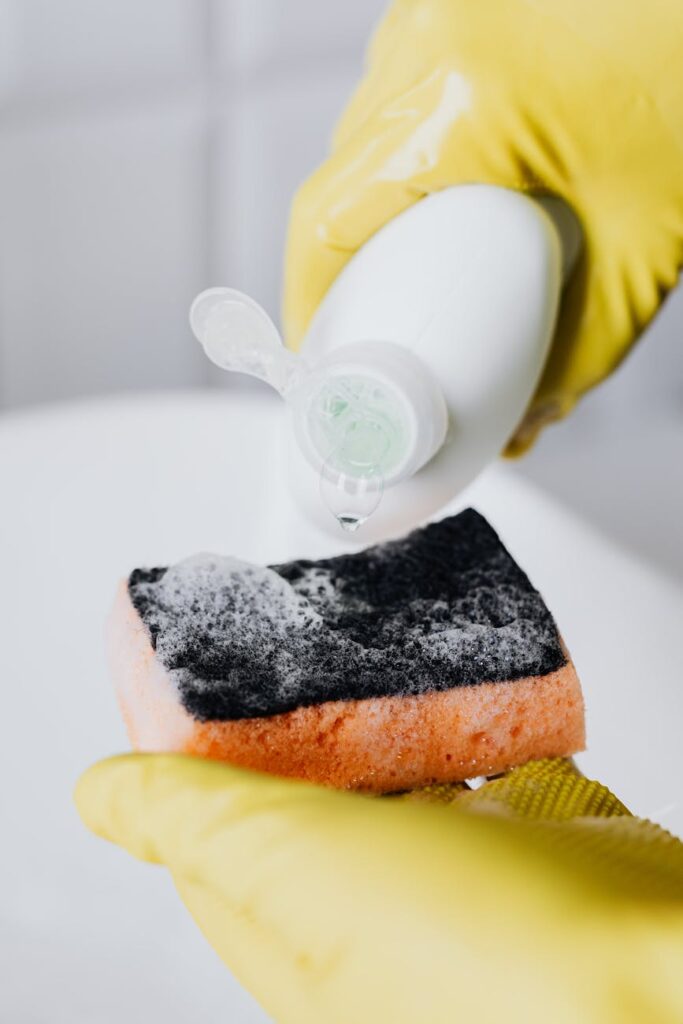
Kitchen Sponge Mold Cleaning Guide Part 1
Introduction
Kitchen sponges are essential tools for keeping our dishes and countertops clean. However, they can quickly become a breeding ground for mold and bacteria if not properly maintained. In this guide, we’ll explore what causes mold on kitchen sponges, how to clean them effectively, and tips to prevent future mold growth.
What Causes Mold?
Mold thrives in warm, damp environments, and kitchen sponges provide the perfect conditions. The combination of moisture from washing dishes, leftover food particles, and the warmth of the kitchen creates an ideal habitat for mold spores to settle and grow.
Why This Problem Happens
1. Moisture: Sponges absorb water, and if they’re not dried out properly, they remain wet and promote mold growth.
2. Food Residue: Small bits of food left on the sponge can serve as a food source for mold and bacteria.
3. Lack of Cleaning: Many people don’t clean their sponges regularly, allowing mold to build up over time.
4. Storage: Storing sponges in closed containers or damp areas can trap moisture and heat, further encouraging mold growth.
How to Fix Moldy Sponges (Step-by-Step)
Step 1: Inspect the Sponge
Before cleaning, check the sponge for visible mold. If it’s heavily contaminated, it may be best to discard it.
Step 2: Rinse Thoroughly
Rinse the sponge under warm water to remove any loose debris and food particles.
Step 3: Soak in Vinegar Solution
- Ingredients: Mix equal parts of white vinegar and water in a bowl.
- Soak: Submerge the sponge in this solution for about 5-10 minutes. Vinegar is a natural mold killer.
- How to Use: Place a damp sponge in the microwave for 1-2 minutes. The heat kills most germs and mold.
- Caution: Ensure it’s wet to avoid fire hazards.
- How to Use: Toss the sponge in the dishwasher during a hot cycle. Use the drying cycle for added effectiveness.
- Ingredients: Mix 1 tablespoon of bleach with 1 cup of water.
- How to Use: Soak the sponge in this solution for 5 minutes. Rinse thoroughly afterward.
Step 4: Scrub the Sponge
After soaking, use a soft brush or your hands to scrub the sponge gently. This helps remove any remaining mold or debris.
Step 5: Rinse Again
Rinse the sponge thoroughly under warm water to remove the vinegar solution and any dislodged mold.
Step 6: Dry Completely
Place the sponge in a well-ventilated area to dry completely. Avoid leaving it in a damp sink or enclosed container.
Best Cleaning Methods
1. Microwave Method
2. Dishwasher Method
3. Bleach Solution
Common Mistakes to Avoid
1. Ignoring the Sponge: Don’t wait for visible mold to clean your sponge. Regular maintenance is key.
2. Using the Same Sponge for Everything: Avoid using the same sponge for dishes and cleaning surfaces, as this can spread bacteria.
3. Not Drying Properly: Always let sponges dry completely to minimize mold growth.
4. Storing in Damp Areas: Don’t leave sponges in the sink or a closed container where moisture can accumulate.
Prevention Tips
1. Regular Cleaning: Clean your sponge at least once a week using one of the methods outlined above.
2. Use Multiple Sponges: Rotate between a few sponges to give each one time to dry out.
3. Store Properly: Keep sponges in a dry, ventilated area. A sponge holder can help.
4. Replace Regularly: Consider replacing sponges every 2-4 weeks, especially if they show signs of wear.
5. Use Alternative Cleaning Tools: Consider using dishcloths or scrub brushes, which can be washed and dried easily.
6. Microwave After Use: For extra precaution, microwave your sponge after heavy use to eliminate bacteria.
Frequently Asked Questions
1. How often should I replace my kitchen sponge?
It’s recommended to replace your kitchen sponge every 2-4 weeks, depending on usage.
2. Can I wash my sponge in the washing machine?
Yes, you can wash your sponge in the washing machine. Use hot water and consider adding it to a load of towels for best results.
3. Is it safe to use a moldy sponge?
Using a moldy sponge can spread bacteria and allergens. It’s best to clean or replace it.
4. Can I use a sponge for both dishes and counters?
It’s not advisable. Use separate sponges for dishes and surfaces to avoid cross-contamination.
5. What’s the best way to store sponges?
Store sponges in a dry, ventilated area, such as a sponge holder, to prevent moisture buildup.
6. How can I tell if my sponge is still good to use?
If your sponge has a foul odor, visible mold, or is falling apart, it’s time to replace it.
—
By following these guidelines, you can effectively tackle mold in your kitchen sponges, ensuring a cleaner and safer kitchen environment. Stay tuned for Part 2, where we’ll dive deeper into advanced cleaning methods and solutions for stubborn mold.