
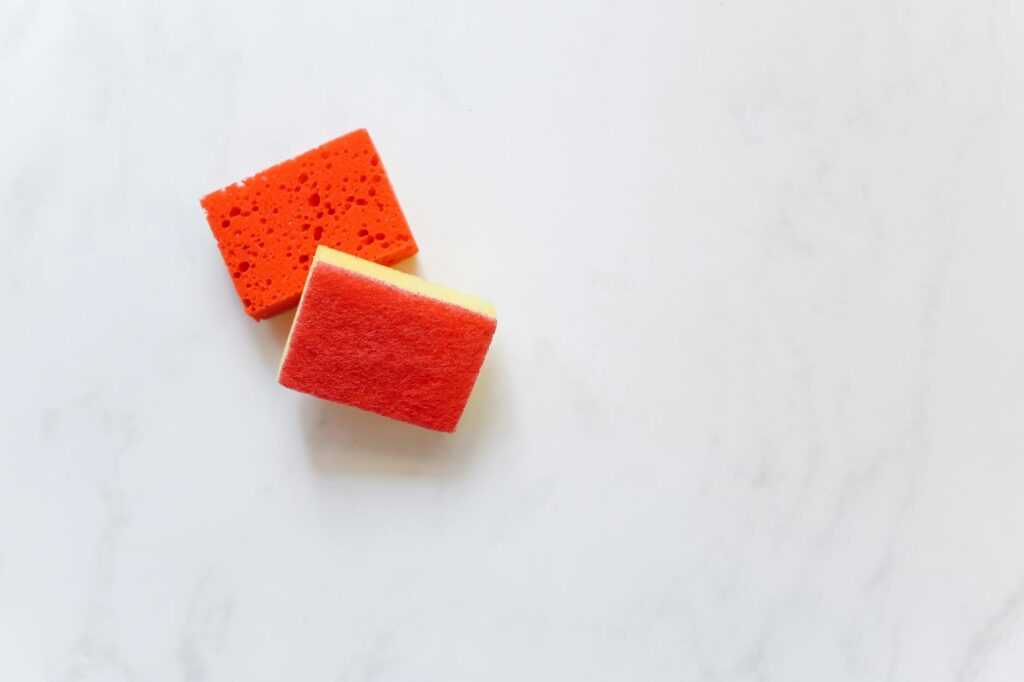
Kitchen Sponge Mold Appliances Guide Part 2
Introduction
Kitchen sponges are essential tools for cleaning, but they can also be a breeding ground for mold and bacteria if not properly maintained. Appliances in your kitchen, such as dishwashers and sinks, can contribute to this problem. This guide will help you understand the causes of kitchen sponge mold, how to fix the appliances contributing to the issue, and how to keep your kitchen clean and safe.
What Causes Appliances?
Appliances can harbor mold and contribute to sponge contamination due to:
1. Moisture: Sponges retain water, and damp environments in dishwashers or sinks can create a prime mold territory.
2. Food Residue: Leftover food particles can stick to sponges and appliances, feeding mold growth.
3. Improper Ventilation: Poor airflow in kitchen areas can lead to high humidity, promoting mold.
4. Infrequent Cleaning: Neglecting to clean kitchen appliances increases the risk of mold.
Why This Problem Happens
Understanding why mold develops in kitchen sponges and appliances is crucial for effective cleaning. The primary reasons include:
- Constant Moisture: Sponges are often wet after use, creating a perfect environment for mold.
- Bacterial Growth: Bacteria thrive in warm, damp places, which can lead to mold when combined with food residues.
- Lack of Sunlight: Mold loves dark, damp places. Areas in your kitchen that don’t receive sunlight can encourage mold growth.
- Temperature Fluctuations: Warm appliances can create humidity, leading to moldy sponges.
- For dishwashers: Remove all dishes and utensils.
- For sinks: Clear any leftover food debris and wash the sink basin.
- Use Vinegar: Place a cup of white vinegar in the top rack of the empty dishwasher. Run a hot water cycle to break down mold and mildew.
- Scrub the Filter: Remove and scrub the dishwasher filter with a brush and warm, soapy water.
- Wipe Down Seals: Use a cloth soaked in vinegar to clean the rubber seals around the door.
- Scrub with Baking Soda: Sprinkle baking soda in the sink and scrub with a sponge, focusing on any stains.
- Rinse with Hot Water: After scrubbing, rinse thoroughly with hot water.
- Use a Disinfectant: Spray a kitchen disinfectant and let it sit for about 10 minutes before rinsing.
- Microwave Method: Wet the sponge and place it in the microwave for 1-2 minutes to kill bacteria and mold.
- Dishwasher Method: Place the sponge in the dishwasher during a cycle to sanitize it.
- Combine: Mix equal parts of vinegar and baking soda to create a powerful cleaning paste.
- Apply: Use it on surfaces in your kitchen appliances, letting it sit for a few minutes before scrubbing.
- Dilute: Mix one tablespoon of bleach with a quart of water.
- Use Carefully: Apply this solution to clean surfaces but avoid using it on rubber components.
- Use an EPA-approved cleaner designed specifically for kitchen appliances. Follow the manufacturer’s instructions for best results.
- Dry Sponges Thoroughly: Store sponges in a well-ventilated area to dry out completely.
- Rotate Sponges: Use multiple sponges, allowing each one to dry between uses.
- Limit Food Residues: Rinse sponges after every use to remove food particles.
- Increase Airflow: Ensure your kitchen is well-ventilated by using exhaust fans or opening windows.
How to Fix Appliances (Step-by-Step)
To tackle the mold problem effectively, follow these steps for cleaning your appliances:
Step 1: Empty the Appliance
Step 2: Clean the Dishwasher
Step 3: Clean the Sink
Step 4: Clean the Sponge
Best Cleaning Methods
Here are some effective methods for cleaning appliances and preventing mold:
Vinegar and Baking Soda
Bleach Solution
Commercial Cleaners
Common Mistakes to Avoid
Avoid these pitfalls to keep your appliances and sponges mold-free:
1. Neglecting Regular Cleaning: Clean appliances and sponges regularly to prevent build-up.
2. Using a Wet Sponge Continuously: Always squeeze out excess water from your sponge after use.
3. Ignoring Hard-to-Reach Areas: Mold can thrive in hidden spots. Make sure to clean behind and beneath appliances.
4. Not Replacing Old Sponges: Replace kitchen sponges every 2-4 weeks, even if they don’t look dirty.
Prevention Tips
To keep your sponges and appliances mold-free, follow these preventive measures:
Frequently Asked Questions (FAQs)
1. How often should I clean my dishwasher?
Clean your dishwasher once a month to prevent mold and maintain efficiency.
2. Can I use bleach on my sponge?
Yes, but it should be diluted with water. Avoid using bleach on colored sponges as it may cause discoloration.
3. What’s the best way to store my sponge?
Store sponges in a dry, well-ventilated area. Avoid leaving them in a wet sink or container.
4. How do I know if my sponge is too old?
If your sponge has an unpleasant odor, is falling apart, or has visible mold, it’s time to replace it.
5. Can I reuse a sponge after cleaning it?
Yes, but ensure it is sanitized thoroughly. Avoid using a sponge that still has a musty smell.
6. Is it safe to use my sponge on all surfaces?
Check the manufacturer’s instructions for your sponge. Some sponges may scratch delicate surfaces.
By following the above guidelines, you’ll effectively combat mold in your kitchen sponges and appliances. Keeping your appliances clean and maintaining proper sponge hygiene can significantly improve your kitchen’s cleanliness and safety.