
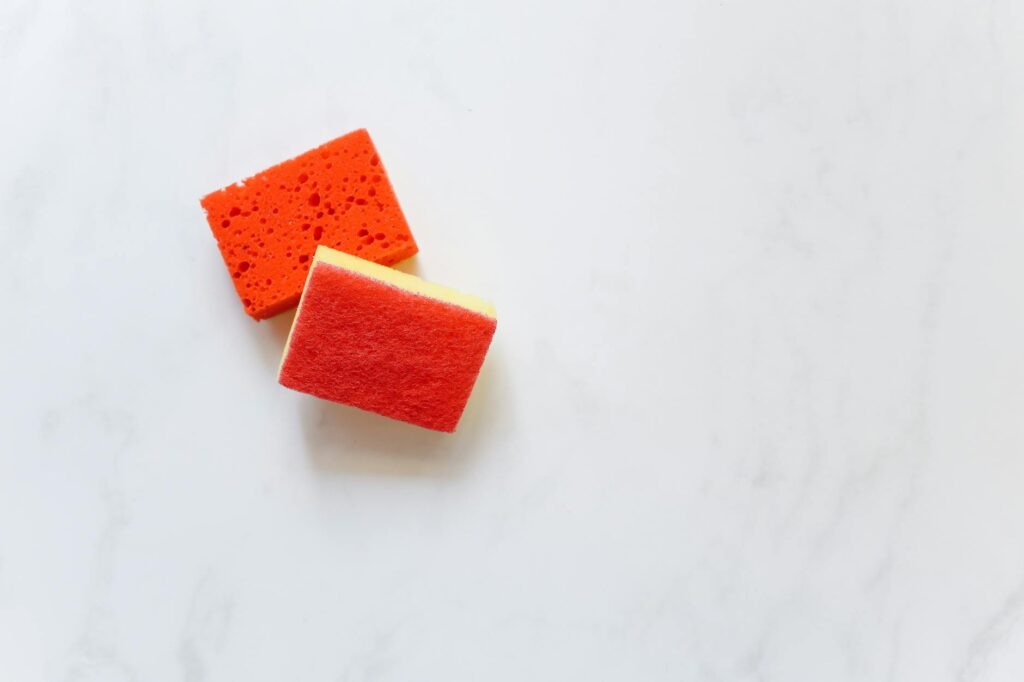
Kitchen Sponge Mildew Stains Guide Part 2
Introduction
Kitchen sponges are essential tools in our daily cleaning routines. However, they can quickly become a breeding ground for mildew and bacteria, leading to unsightly stains and unpleasant odors. In this guide, we will delve into the causes of these stains, how to effectively remove them, and tips to prevent them from reoccurring.
What Causes Stains?
Mildew stains on kitchen sponges are primarily caused by moisture, food particles, and lack of proper cleaning. When sponges are used to wipe up spills or clean surfaces, they absorb moisture. If left damp, they become a haven for mold and mildew. Additionally, food remnants trapped in the sponge can further exacerbate the problem.
Why This Problem Happens
1. Humidity: High humidity levels in your kitchen can create an ideal environment for mold and mildew to thrive.
2. Lack of Cleaning: If sponges aren’t cleaned regularly, they will accumulate bacteria and mildew.
3. Storage: Storing sponges in closed containers or damp places can trap moisture and promote mold growth.
4. Type of Sponge: Some sponges are more prone to mildew stains due to their composition and porous nature.
How to Fix Stains (Step-by-Step)
Step 1: Inspect the Sponge
Start by examining the sponge for visible mildew stains. If the sponge is heavily soiled or has a strong odor, it may be time to replace it.
Step 2: Prepare a Cleaning Solution
Mix a cleaning solution using one of the following methods:
- Vinegar Solution: Combine equal parts of white vinegar and water in a bowl.
- Bleach Solution: Mix one part bleach with ten parts water (use with caution).
- Baking Soda Paste: Create a paste using baking soda and water.
- It’s best to replace your kitchen sponge every 2–4 weeks, depending on usage.
- It’s not recommended. If the sponge has visible stains or an odor, it’s safer to replace it.
- Store sponges in a dry, well-ventilated area, preferably standing upright to allow air circulation.
- While you can wash sponges in the dishwasher, it’s generally not recommended to wash them in a washing machine.
- Yes, some sponges are specifically designed to resist mildew and bacteria. Look for these options when purchasing.
- Clean the area with a mixture of vinegar and water, or use a commercial cleaner. Ensure the surface is dried completely to prevent future growth.
Step 3: Soak the Sponge
Submerge the sponge in the prepared cleaning solution for about 5–10 minutes. This will help kill mildew and loosen stains.
Step 4: Scrub the Sponge
After soaking, use a brush or your hands to scrub the sponge gently. Pay extra attention to stained areas and any visible mold.
Step 5: Rinse Thoroughly
Rinse the sponge under hot running water to remove any cleaning solution and loosened debris. Ensure all bleach or vinegar is washed away.
Step 6: Dry the Sponge
Wring out excess water and place the sponge in a well-ventilated area to dry completely. This step is crucial to prevent future mildew growth.
Best Cleaning Methods
1. Microwave Method: Dampen the sponge slightly and place it in the microwave for about 1–2 minutes. This will kill most bacteria and mildew. Let it cool before handling.
2. Dishwasher: Place the sponge in the top rack of your dishwasher during a hot wash cycle. This not only cleans but also sanitizes the sponge.
3. Hydrogen Peroxide: Soak the sponge in a mixture of hydrogen peroxide and water (1:1 ratio) for about 10 minutes. Rinse thoroughly afterward.
Common Mistakes to Avoid
1. Ignoring Signs of Mildew: Don’t wait until the sponge is heavily stained or has a strong odor to take action.
2. Using Too Much Water: Over-soaking sponges can lead to excessive moisture, promoting mildew growth.
3. Storing in Closed Containers: Avoid storing sponges in dark, damp places. Instead, allow them to air-dry completely.
4. Neglecting Regular Cleaning: Make sponge cleaning a regular part of your cleaning routine to prevent mildew stains from forming.
Prevention Tips
1. Rinse After Use: Always rinse your sponge under hot water after each use to eliminate food particles and reduce moisture.
2. Air Dry: Store sponges in a well-ventilated area where they can dry out completely.
3. Use Multiple Sponges: Consider designating different sponges for various tasks (e.g., one for dishes and another for counters) to limit cross-contamination.
4. Replace Regularly: Replace sponges every few weeks, or sooner if they show signs of wear or staining.
5. Consider Alternatives: Look into alternative cleaning tools, such as microfiber cloths, which may be less prone to mildew.
Frequently Asked Questions
1. How often should I replace my kitchen sponge?
2. Can I use a sponge that has mildew stains?
3. What’s the best way to store sponges?
4. Can I wash my sponge in the washing machine?
5. Are there sponges that resist mildew?
6. What should I do if I find mildew stains on my kitchen counter?
By following these practical steps and tips, you can effectively manage mildew stains on your kitchen sponges and maintain a cleaner, healthier kitchen environment.