
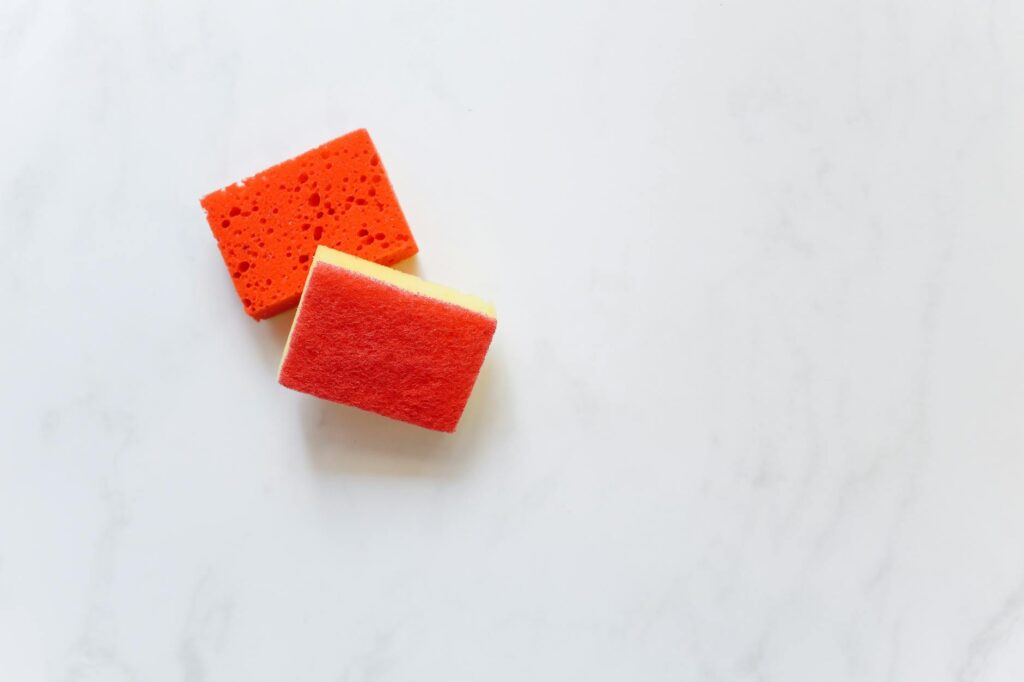
Kitchen Sponge Mildew Stains Guide Part 1
Introduction
Kitchen sponges are essential tools for keeping our kitchens clean. However, they can quickly become breeding grounds for mildew, leading to unsightly stains and unpleasant odors. Understanding how to effectively deal with kitchen sponge mildew stains is crucial for maintaining a hygienic kitchen environment. This guide will provide you with the practical knowledge you need to tackle this common cleaning problem.
What Causes Stains?
Mildew stains on kitchen sponges are primarily caused by moisture and organic materials. When sponges are used to clean up spills, they often absorb food particles, grease, and water. This combination creates an ideal environment for mold and mildew to thrive. The following factors contribute to the formation of stains:
- Excess Moisture: Sponges that are left wet are more prone to mildew growth.
- Food Residue: Bits of food can become trapped in the sponge, providing nutrients for mold.
- Poor Air Circulation: Storing sponges in closed containers or drawers can prevent them from drying properly.
- Not Cleaning Regularly: Failing to clean your sponge regularly can lead to more severe mildew issues.
- Using Too Much Product: Overusing cleaning solutions can leave residues that attract more grime.
- Storing Wet Sponges: Always ensure your sponge is thoroughly dried to prevent mildew.
- Ignoring Visible Signs: If mildew is apparent, don’t just scrub; take necessary cleaning steps immediately.
- Dry After Use: Always wring out your sponge and allow it to dry completely after each use.
- Store Properly: Keep sponges in a well-ventilated area rather than in closed containers.
- Rotate Sponges: Use multiple sponges and rotate them to allow each one adequate drying time.
- Regular Cleaning: Clean sponges regularly using one of the methods mentioned above to keep them fresh.
- Limit Food Residue: Rinse sponges thoroughly after cleaning to remove any leftover food particles.
Why This Problem Happens
Kitchen sponges are typically damp for extended periods, especially if they are not dried out after each use. Organic materials from food, combined with moisture, create a perfect breeding ground for mildew. Moreover, sponges can be overlooked in terms of regular cleaning and maintenance, allowing mildew to develop unnoticed.
Understanding these factors helps explain why kitchen sponges can turn into unsightly and unhealthy tools if not managed properly.
How to Fix Stains (Step-by-Step)
If you find mildew stains on your kitchen sponge, follow these steps to effectively clean and restore it:
Step 1: Inspect the Sponge
Check the sponge for visible mildew or mold growth. If the sponge is heavily contaminated, it may be best to discard it and start fresh.
Step 2: Prepare a Cleaning Solution
Mix equal parts of white vinegar and water in a bowl or container. Alternatively, you can use a mixture of 1 cup of bleach with 1 gallon of water for tougher stains.
Step 3: Soak the Sponge
Submerge the sponge in the cleaning solution. If using vinegar, soak for about 15-30 minutes. For bleach, soak for 5-10 minutes.
Step 4: Scrub the Sponge
After soaking, use a scrub brush to gently scrub the sponge, focusing on stained areas. This will help lift the mildew and stains from the sponge material.
Step 5: Rinse Thoroughly
Rinse the sponge under warm running water to remove any cleaning solution and loosened grime. Ensure no residue remains.
Step 6: Dry Completely
Place the sponge in a well-ventilated area to dry completely before using it again. This helps prevent future mildew growth.
Best Cleaning Methods
To effectively remove mildew stains from kitchen sponges, consider these cleaning methods:
1. Vinegar Soak
Vinegar is a natural disinfectant that can kill mold and mildew. Soaking the sponge in vinegar for 30 minutes can help remove stains and odors.
2. Bleach Solution
A diluted bleach solution is highly effective against tough mildew stains. Use it sparingly and ensure you rinse thoroughly afterward.
3. Microwave Method
Wet the sponge and place it in the microwave for about 1-2 minutes. This method can kill a significant amount of bacteria and mildew. Be cautious when removing it, as it will be hot.
4. Dishwasher Cycle
Placing the sponge on the top rack of your dishwasher during a hot cycle can clean and sanitize it effectively.
Common Mistakes to Avoid
When dealing with kitchen sponge mildew stains, be wary of these common pitfalls:
Prevention Tips
Preventing mildew stains on your kitchen sponge is much easier than cleaning them. Here are some effective prevention tips:
Frequently Asked Questions
1. How often should I replace my kitchen sponge?
It’s advisable to replace your kitchen sponge every 2-4 weeks, depending on usage. If it shows signs of wear or mildew, replace it immediately.
2. Can I use the same sponge for dishes and surfaces?
While it’s possible, it’s better to have separate sponges for dishes and surfaces to avoid cross-contamination.
3. Is it safe to use bleach on sponges?
Yes, but it should be diluted properly. Always rinse the sponge thoroughly after using a bleach solution to avoid harmful residue.
4. What’s the best way to store sponges?
Store sponges in a dry, open area where air can circulate, preventing moisture buildup.
5. Why does my sponge smell bad?
A bad smell usually indicates that food particles or bacteria are trapped in the sponge. Regular cleaning and drying can help mitigate this issue.
6. Are there sponge alternatives that resist mildew better?
Yes, consider using silicone sponges or scrubbers made from antimicrobial materials, which tend to resist mildew growth better than traditional sponges.
By following these guidelines, you can effectively manage and prevent kitchen sponge mildew stains, ensuring a cleaner and more hygienic kitchen environment. Stay tuned for Part 2, where we’ll explore advanced cleaning techniques and tips for maintaining your kitchen sponges over the long term.