
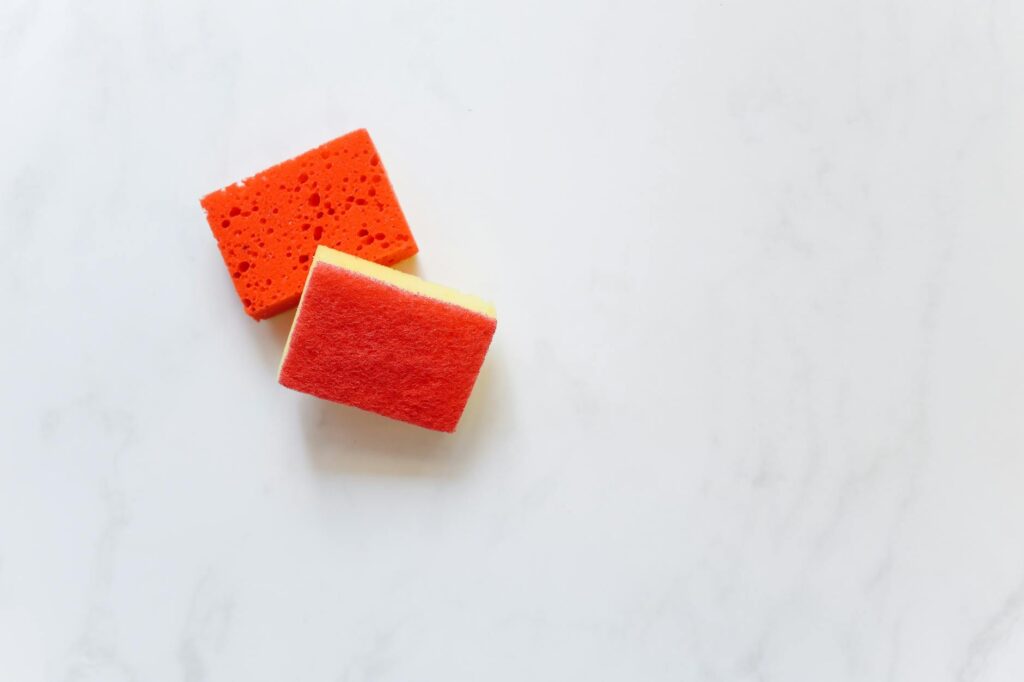
Kitchen Sponge Mildew Odours Guide Part 2
Introduction
If you’ve ever opened your kitchen sponge drawer only to be greeted by a foul smell, you’re not alone. Mildew odours can be a persistent problem in kitchens, affecting not only your sponges but also the overall cleanliness of your cooking space. In this guide, we’ll explore the causes of these unpleasant odours, how to fix them, and ways to prevent them from returning.
What Causes Odours?
Kitchen sponge mildew odours typically stem from a combination of moisture, food particles, and bacteria. Here are the main culprits:
- Moisture: Sponges are designed to absorb water, making them a breeding ground for mildew and bacteria when left damp.
- Food Particles: Scraps of food can get trapped in the sponge, providing nutrients for bacteria and mould.
- Poor Airflow: Storing sponges in closed containers or drawers limits airflow, trapping moisture and encouraging mildew growth.
- Daily Use: Sponges are frequently used for cleaning, absorbing dirt and grime, which can lead to a build-up of bacteria.
- Infrequent Washing: Many people forget to regularly clean or replace their sponges, allowing bacteria to thrive.
- Improper Storage: Storing sponges in closed spaces without ventilation can trap moisture, promoting mildew growth.
- Vinegar Solution: Mix equal parts of white vinegar and water in a bowl. Soak the sponge for about 5-10 minutes.
- Bleach Solution: Mix 1 tablespoon of bleach with 1 quart of water. Soak the sponge for about 5 minutes. Ensure you wear gloves when handling bleach.
- Microwave Method: Dampen the sponge and place it in the microwave for 1-2 minutes. This can kill bacteria and neutralise odours. Ensure the sponge is microwave-safe and is not made of metal.
- Dishwasher Method: Place the sponge on the top rack of your dishwasher during a hot cycle. The heat and detergent can help eliminate odours effectively.
- Baking Soda: Mix baking soda with water to create a paste. Scrub the sponge with this paste to absorb and neutralise odours. Rinse thoroughly afterward.
- Neglecting Regular Cleaning: Many homeowners forget to clean sponges regularly, allowing bacteria to thrive.
- Using Dirty Sponges: Always ensure your sponges are clean before using them on surfaces, especially in food preparation areas.
- Storing Wet Sponges: Don’t leave sponges in wet environments or sealed containers. Always let them dry out completely.
- Overusing Cleaning Solutions: Using too much bleach or vinegar can damage the sponge material. Stick to recommended amounts.
- Store Properly: Always store sponges in a dry, well-ventilated area. A sponge holder that allows airflow is ideal.
- Use Multiple Sponges: Consider using different sponges for different tasks (e.g., one for dishes and another for countertops) to reduce cross-contamination.
- Rotating Sponges: Keep a rotation of sponges. Have backups ready to replace a soiled one immediately.
- Regular Cleaning: Incorporate sponge cleaning into your weekly cleaning routine to keep odours at bay.
Understanding these causes is the first step toward eliminating the odours.
Why This Problem Happens
The kitchen is a hub of activity, and sponges can quickly become a source of unpleasant smells. Here are some reasons why this issue arises:
Recognizing these factors can help you take proactive steps to mitigate the issue.
How to Fix Odours (Step-by-Step)
To eliminate mildew odours from your kitchen sponges, follow these steps:
Step 1: Rinse Thoroughly
Begin by rinsing the sponge under warm running water. This removes any lingering food particles and reduces the initial odour.
Step 2: Soak in Solution
Create a cleaning solution. You can use either:
Step 3: Squeeze and Rinse
After soaking, squeeze out the sponge to remove excess liquid, then rinse thoroughly under warm water. This step is crucial to eliminate any remaining cleaning solution.
Step 4: Dry Properly
Place the sponge in a well-ventilated area to dry completely. Avoid sealing it in closed spaces.
Step 5: Replace Regularly
If the odour persists despite cleaning, it may be time to replace the sponge. Plan to replace sponges every 2-4 weeks, depending on usage.
Best Cleaning Methods
To keep your sponges fresh and odour-free, consider these effective cleaning methods:
Experiment with these methods to find the one that works best for you.
Common Mistakes to Avoid
Avoid these common pitfalls when dealing with sponge odours:
By steering clear of these mistakes, you can maintain a fresher and cleaner sponge.
Prevention Tips
To prevent mildew odours from returning, follow these simple tips:
By implementing these preventive measures, you can significantly extend the life of your sponges and keep your kitchen smelling fresh.
Frequently Asked Questions
1. How often should I replace my kitchen sponge?
Plan to replace your kitchen sponge every 2-4 weeks, depending on usage. If it starts to smell or shows signs of wear, replace it sooner.
2. Can I use a sponge to clean raw meat surfaces?
It’s not advisable to use the same sponge for raw meat and other surfaces to prevent cross-contamination. Use separate sponges for different tasks.
3. Is it safe to microwave a sponge?
Yes, but ensure the sponge is damp and microwave-safe. Microwave it for 1-2 minutes to kill bacteria and neutralise odours.
4. What’s the best way to disinfect a sponge?
Soaking it in a mixture of bleach and water or vinegar and water can effectively disinfect a sponge. Rinse thoroughly afterward.
5. Can I use dish soap to clean my sponge?
Yes, you can use dish soap to clean your sponge, but it may not eliminate odours as effectively as vinegar or bleach solutions.
6. What should I do if my sponge still smells after cleaning?
If the odour persists, it may be time to replace the sponge. Make sure to follow proper cleaning and storage methods to prevent future issues.
By following the guidelines in this article, you can keep your kitchen sponges fresh, clean, and free from mildew odours. Regular maintenance and proper storage are key to ensuring a pleasant cooking environment.