
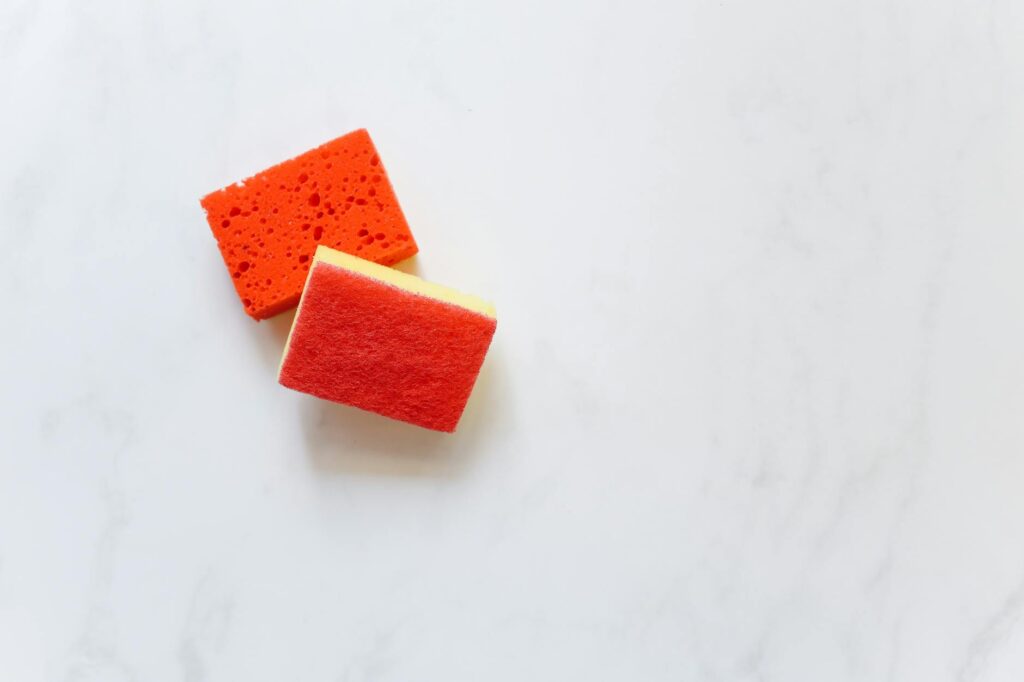
Kitchen Sponge Mildew Mould & Damp Guide Part 1
Introduction
Kitchen sponges are essential tools for cleaning, but they can easily become breeding grounds for mould and dampness if not cared for properly. This guide will help you understand the causes, effects, and solutions for kitchen sponge mildew, ensuring that your cleaning tools remain safe and effective.
What Causes Mould & Damp?
Mould thrives in moist environments, and kitchen sponges provide the perfect habitat. The primary causes of mould and dampness in sponges include:
- Excess Moisture: Sponges absorb water during cleaning, making them damp.
- Food Particles: Leftover food can stick to sponges, providing an additional food source for mould.
- Warm Temperatures: Kitchens, especially during cooking, can become warm and humid, promoting mould growth.
- Poor Airflow: Storing sponges in closed containers or drawers can trap moisture.
- Bleach Solution: Mix one tablespoon of bleach in a quart of water. Soak the sponge for 5-10 minutes.
- Vinegar: Soak the sponge in white vinegar for 10-15 minutes. Vinegar has natural mould-killing properties.
- Baking Soda: Make a paste with baking soda and water. Scrub the sponge with this paste, then rinse thoroughly.
- Wet the sponge and place it in the microwave for 1-2 minutes. Ensure it’s damp to prevent fire hazards.
- Let it cool before handling.
- Place the sponge on the top rack of the dishwasher during a hot cycle. This will help disinfect and clean it.
- Soak the sponge in a solution of hydrogen peroxide (3%) for 10 minutes, then rinse thoroughly.
- Sprinkle salt on the sponge and rub with a half lemon. Rinse well. This method offers a natural way to clean and deodorize.
- Ignoring Signs of Mould: Never overlook discolouration or odours as they indicate mould presence.
- Storing Wet Sponges: Always ensure sponges are fully dry before storing them.
- Using the Same Sponge for Different Tasks: Avoid cross-contaminating by using separate sponges for dishes and surfaces.
- Neglecting Regular Replacement: Failing to replace sponges regularly can lead to a higher risk of mould and bacteria.
Why This Problem Happens
Understanding why your sponge develops mould is crucial for effective cleaning. When sponges are used frequently but not properly dried, they remain damp. This dampness, combined with leftover food particles, creates an ideal environment for mould to flourish.
Moreover, sponges are often stored in dark, moist areas, which further encourages mould growth. Neglecting to clean or replace sponges regularly can exacerbate the issue.
How to Fix Mould & Damp (Step-by-Step)
If you discover mould on your kitchen sponge, follow these steps to clean it effectively:
Step 1: Assess the Damage
Check the sponge for visible mould. If the sponge is heavily soiled or has a strong odour, it may be best to discard it.
Step 2: Rinse Thoroughly
If the sponge is salvageable, rinse it under hot water to remove any loose debris.
Step 3: Disinfect
Choose a disinfecting solution. You can use one of the following:
Step 4: Dry Completely
After cleaning, squeeze out excess moisture and place the sponge in a well-ventilated area to dry. Avoid placing it in closed containers.
Step 5: Replace Regularly
If you notice persistent mould, it’s time to replace the sponge. Aim to change it every 1-2 weeks.
Best Cleaning Methods
Here are some of the most effective cleaning methods for kitchen sponges:
1. Microwave Method:
2. Dishwasher Method:
3. Hydrogen Peroxide:
4. Salt and Lemon:
Common Mistakes to Avoid
Avoid these common pitfalls to keep your kitchen sponge free from mould:
Prevention Tips
To prevent mould and dampness in your kitchen sponge, consider the following tips:
1. Rinse After Use: Always rinse your sponge thoroughly after each use to remove food particles.
2. Store Properly: Keep sponges in an open container or hang them up to allow for airflow.
3. Use Hot Water: Clean dishes and surfaces with hot water when possible, as this helps to dry the sponge faster.
4. Rotate Sponges: If you have multiple sponges, rotate their use to allow each one to dry out completely.
5. Regular Cleaning: Incorporate sponge cleaning into your regular cleaning routine to prevent buildup.
Frequently Asked Questions
1. How often should I replace my kitchen sponge?
Aim to replace your kitchen sponge every 1-2 weeks, especially if it shows signs of wear or has an odour.
2. Can I use vinegar to clean my sponge?
Yes, vinegar is an effective natural cleaner and can help kill mould. Soak your sponge in white vinegar for 10-15 minutes.
3. What should I do if my sponge smells bad?
If your sponge has an unpleasant odour, it’s a sign of bacteria growth. Clean it thoroughly using one of the methods outlined above, or consider replacing it.
4. Is microwave cleaning safe for all sponges?
Not all sponges are microwave-safe. Avoid using sponges with metallic elements. Always ensure the sponge is damp to prevent fire hazards.
5. Can I wash my sponge in the dishwasher?
Yes, placing your sponge on the top rack of the dishwasher during a hot cycle can help disinfect it.
6. What’s the best way to store sponges?
Store sponges in a well-ventilated area and ensure they are dry after each use to prevent mould growth.
By following this guide, you can effectively manage and prevent mould and damp issues with your kitchen sponges, ensuring a cleaner and safer kitchen environment. Stay tuned for Part 2, where we’ll delve deeper into advanced cleaning techniques and products.