
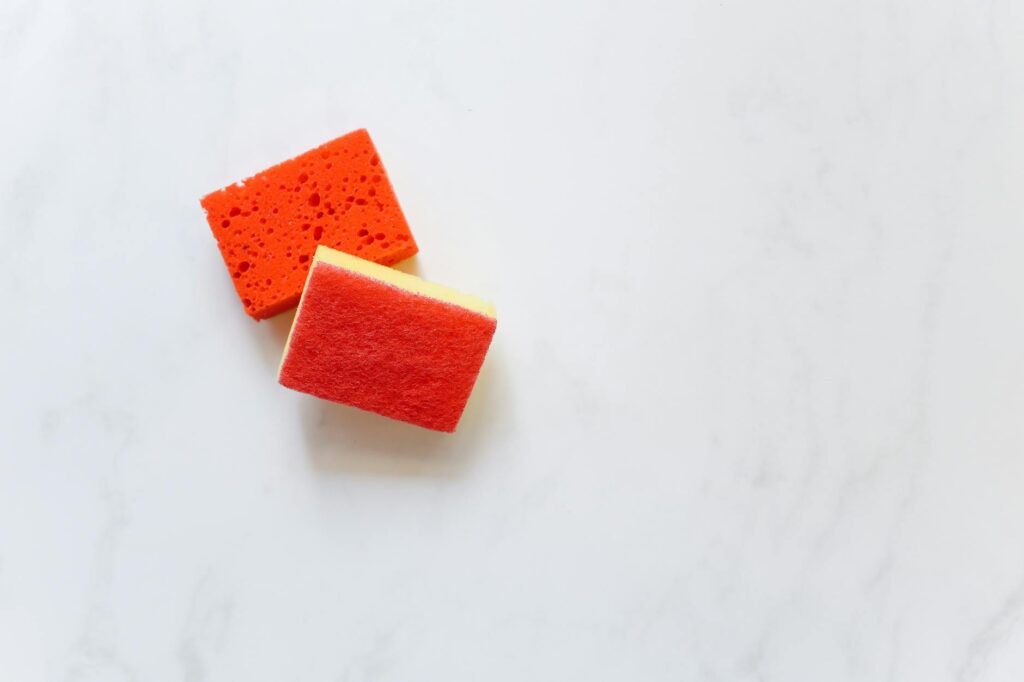
Kitchen Sponge Mildew Laundry Guide Part 1
Introduction
Kitchen sponges are essential tools for cleaning, but they can become a breeding ground for mildew if not maintained properly. The dampness and organic material left on sponges make them a prime target for mold and bacteria. Understanding how to manage kitchen sponge mildew is crucial for keeping your kitchen hygienic. In this guide, we’ll explore what causes mildew in kitchen sponges, how to address the problem, and tips for prevention.
What Causes Laundry?
The term “laundry” here refers to the buildup of mildew and the need to clean sponges effectively. Kitchen sponges are often soaked with food particles, grease, and moisture, creating an environment conducive to mildew growth. The warmth of your kitchen, combined with the sponge’s dampness, accelerates this process, leading to unpleasant odors and potential health risks.
Why This Problem Happens
Several factors contribute to the growth of mildew on kitchen sponges:
1. Moisture: Sponges retain water, creating an ideal environment for mold and mildew.
2. Organic Matter: Food residues can cling to sponges, providing nutrients for mildew.
3. Temperature: Warmer kitchen environments promote faster mildew growth.
4. Infrequent Cleaning: Neglecting regular maintenance allows mildew to thrive.
Understanding these factors is the first step toward maintaining a clean and effective kitchen sponge.
How to Fix Laundry (Step-by-Step)
If you discover mildew or an unpleasant odor in your kitchen sponge, follow these steps to effectively clean it:
Step 1: Inspect the Sponge
Check for visible signs of mildew or mold. If the sponge appears heavily soiled or has a strong odor, it may be time to replace it.
Step 2: Rinse Thoroughly
Rinse the sponge under hot running water to remove any surface debris. Squeeze out excess water, but do not wring it out completely.
Step 3: Choose a Cleaning Method
You have several options for cleaning your sponge:
- Bleach Solution: Mix 1 tablespoon of bleach with 1 quart of water. Soak the sponge for about 5 minutes. Rinse thoroughly.
- Vinegar Solution: Soak the sponge in white vinegar for 5-10 minutes. Rinse well afterward.
- Microwave: Place a damp sponge in the microwave for 1-2 minutes. Be cautious when removing it, as it will be hot.
- Ignoring the Problem: Don’t wait until the sponge smells or shows visible mildew. Regular maintenance is key.
- Using Harsh Chemicals: Avoid cleaners that can harm your sponge material. Stick to natural solutions when possible.
- Storing Wet Sponges: Leaving sponges in a damp area encourages mildew growth. Always dry them thoroughly after use.
- Using Old Sponges: Replace sponges regularly (every few weeks) if they show signs of wear or persistent odor.
Step 4: Dry the Sponge
After cleaning, make sure to wring out the sponge and place it in a dry, well-ventilated area. Avoid storing it in a damp environment.
Step 5: Repeat Regularly
Establish a routine for cleaning your sponge. Depending on usage, clean it at least once a week to prevent mildew buildup.
Best Cleaning Methods
Different cleaning methods can be effective against mildew. Here are the best options:
1. Bleach Solution: Effective for killing mildew and bacteria. Use with caution, as it can degrade the sponge over time.
2. Vinegar: A natural alternative that is less harsh than bleach but still effective against mildew.
3. Microwave: Quick and effective, but ensure the sponge is damp to prevent it from catching fire.
4. Dishwasher: Place the sponge on the top rack and run a cycle with a drying option. This can help kill bacteria and mildew.
5. Baking Soda Paste: Mix baking soda with water to form a paste. Scrub the sponge with this mixture, then rinse thoroughly.
Common Mistakes to Avoid
When dealing with kitchen sponge mildew, avoid these pitfalls:
Prevention Tips
Preventing mildew on your kitchen sponge is easier than fixing it. Here are effective strategies:
1. Rinse After Use: Always rinse your sponge thoroughly after each use to remove food particles and moisture.
2. Dry Properly: Store sponges in a dry place. Consider standing them upright or using a sponge holder that promotes airflow.
3. Rotate Sponges: Use multiple sponges and rotate them to allow each one time to dry completely.
4. Use Microfiber Cloths: Consider switching to microfiber cloths, which can be washed and dried easily, reducing mildew risk.
5. Regular Cleaning: Establish a cleaning routine—weekly or bi-weekly—to keep sponges fresh.
6. Limit Food Contact: Avoid using the same sponge for dishes and surfaces that have raw food residue.
Frequently Asked Questions
1. How often should I clean my kitchen sponge?
Clean your sponge at least once a week, or more frequently if it’s heavily used.
2. Can I use my sponge after cleaning it with bleach?
Yes, but always rinse thoroughly to remove any bleach residue before use.
3. What’s the best way to store my sponge?
Store your sponge in a dry, well-ventilated area to prevent moisture buildup.
4. Are there any sponges that are mildew-resistant?
Some sponges are made from materials that resist mildew growth. Look for antimicrobial sponges.
5. Can I use the dishwasher to clean my sponge?
Yes, placing your sponge on the top rack of the dishwasher can help sanitize it.
6. What should I do if my sponge has a persistent odor?
If the odor doesn’t go away after cleaning, it’s best to replace the sponge.
By following this comprehensive guide, you can effectively manage and prevent mildew in your kitchen sponges, ensuring a cleaner and healthier kitchen environment. Stay tuned for Part 2, where we’ll dive deeper into advanced cleaning techniques and tools.