
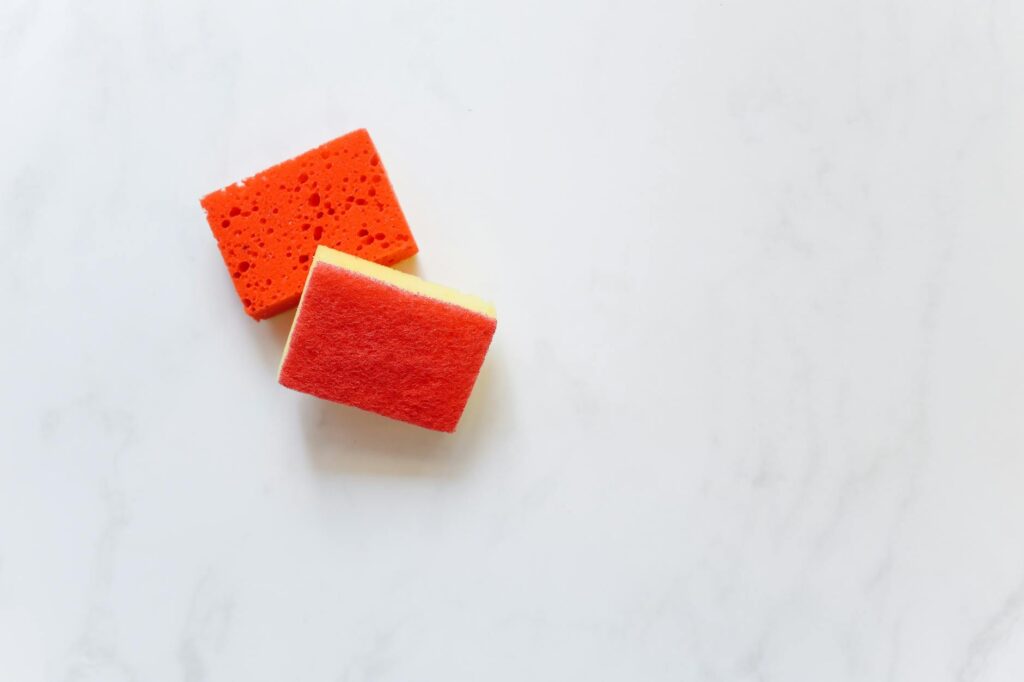
Kitchen Sponge Mildew Kitchen Guide Part 1
Introduction
Kitchen sponges are essential tools in our cleaning arsenal, but they can also become breeding grounds for mildew if not properly maintained. This guide will help you understand the causes of kitchen sponge mildew, how to effectively clean and prevent it, and answer some common questions about sponge care.
What Causes Kitchen Sponge Mildew?
Mildew thrives in warm, damp environments, and kitchen sponges fit this description perfectly. Here are the primary factors contributing to mildew growth:
1. Moisture: Sponges retain water, providing an ideal habitat for mildew.
2. Food Particles: Leftover food residues can nourish mildew spores.
3. Warmth: The kitchen is often warm, especially when cooking, which accelerates mildew growth.
4. Poor Air Circulation: Storing sponges in closed containers or in damp areas can trap moisture.
Why This Problem Happens
Understanding why mildew develops helps in preventing it. Mildew is not just unsightly; it can also cause odors and may lead to the spread of bacteria. Here are further reasons why sponges become mildew-ridden:
- Frequency of Use: Sponges that are used daily accumulate more moisture and food particles, increasing the likelihood of mildew.
- Infrequent Cleaning: Many homeowners forget to clean their sponges regularly.
- Improper Storage: Storing wet sponges in closed drawers or containers retains moisture.
- Bleach Solution: Mix 1 tablespoon of bleach with 1 quart of water. Soak the sponge for a few minutes, then rinse thoroughly.
- Vinegar: Soak the sponge in white vinegar for about 5 minutes. Rinse afterward.
- Microwave Method: Dampen the sponge and place it in the microwave on high for 1-2 minutes. Be careful when removing it, as it will be hot.
How to Fix Kitchen Sponge Mildew (Step-by-Step)
If you discover mildew on your kitchen sponge, don’t worry! Here’s how to clean it effectively:
Step 1: Inspect the Sponge
Check the sponge for visible signs of mildew, such as discoloration or a musty smell. If it’s heavily contaminated, consider replacing it.
Step 2: Rinse Thoroughly
Rinse the sponge under hot running water to remove food particles and loose mildew.
Step 3: Disinfect
You can use one of the following solutions to disinfect your sponge:
Step 4: Dry Completely
After cleaning, place the sponge in a well-ventilated area to dry thoroughly. Avoid sealing it in a container.
Best Cleaning Methods
Different cleaning methods can be effective against mildew depending on your preferences and available materials:
1. Bleach Method
As previously mentioned, a bleach solution is a powerful disinfectant. However, use it sparingly to avoid degrading the sponge material.
2. Vinegar Method
Vinegar is a natural alternative that effectively kills mildew without harsh chemicals. It’s safe for most sponges.
3. Microwave Method
This method is quick and kills most bacteria and mildew. Ensure the sponge is damp to prevent it from catching fire.
4. Dishwasher
Placing your sponge in the dishwasher during a hot cycle can also help disinfect it. Ensure it’s placed on the top rack.
Common Mistakes to Avoid
1. Ignoring the Sponge: Neglecting to clean sponges regularly leads to a buildup of mildew.
2. Using the Same Sponge for Everything: Designate sponges for specific tasks (e.g., dishwashing vs. cleaning surfaces) to reduce cross-contamination.
3. Storing Wet Sponges: Avoid keeping sponges in moist areas; always ensure they are dried out after use.
4. Overusing Sponges: Sponges have a lifespan. If they smell bad or fall apart, it’s time to replace them.
Prevention Tips
Taking preventive measures can significantly reduce mildew growth on your kitchen sponges:
1. Rinse After Use: Always rinse sponges thoroughly after each use to remove food particles.
2. Dry Properly: Store sponges in a well-ventilated area to allow them to dry completely.
3. Change Regularly: Replace your kitchen sponge every 2-4 weeks, depending on usage.
4. Use Separate Sponges: Designate sponges for specific tasks to minimize cross-contamination.
5. Use a Sponge Holder: Consider using a sponge holder that allows air circulation.
Frequently Asked Questions
1. How often should I replace my kitchen sponge?
It’s recommended to replace your kitchen sponge every 2-4 weeks, depending on its condition and how often you use it.
2. Can I use a sponge that has mildew on it?
If the sponge has visible mildew or a strong odor, it’s best to discard it and use a new one to avoid spreading bacteria.
3. Is bleach safe for all types of sponges?
While bleach is effective, it can degrade certain sponge materials. Always check the manufacturer’s instructions.
4. Can I wash my sponge in the washing machine?
Yes, you can wash sponges in the washing machine, but ensure they are placed in a mesh bag to prevent them from getting damaged.
5. What is the best way to store sponges?
Store sponges in a well-ventilated area and avoid sealing them in containers to allow them to dry completely.
6. Are there eco-friendly sponge options?
Yes, consider using natural fiber sponges or biodegradable sponges made from materials like cellulose, which are less prone to mildew.
By following these practical steps, you can keep your kitchen sponges clean, fresh, and free from mildew, ensuring a healthier kitchen environment.