
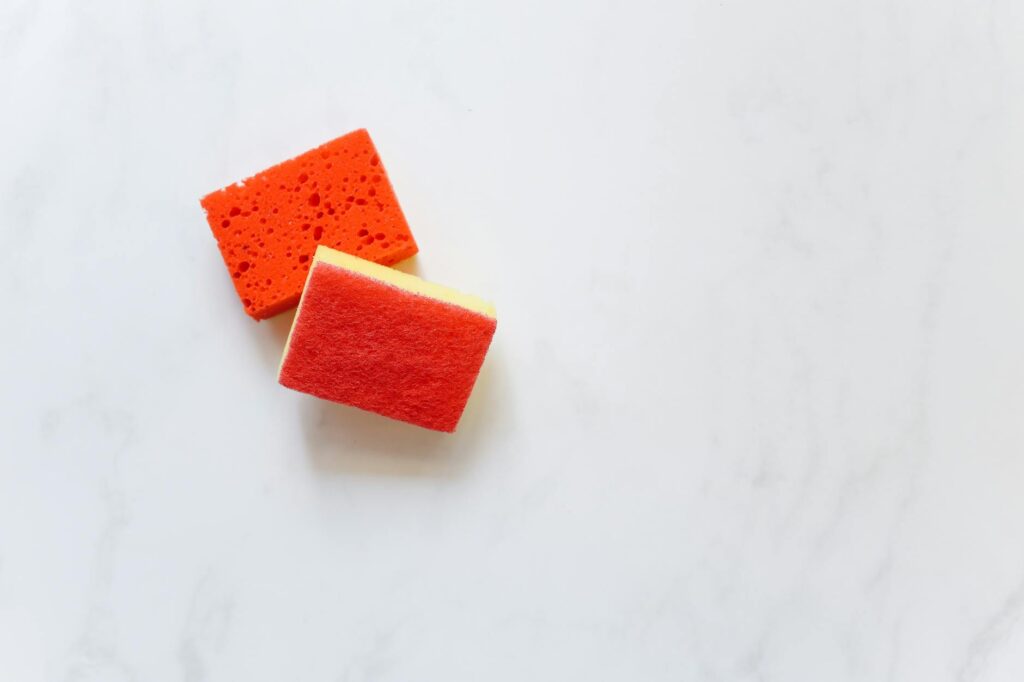
Kitchen Sponge Mildew Bathroom Guide Part 2
Introduction
Kitchen sponges are notorious for harboring mildew, especially when they find their way into the bathroom. Bathrooms are humid environments that can exacerbate the growth of mold and mildew on sponges. This guide will help you understand what causes mildew in the bathroom, why it happens, and how to fix the problem effectively. We’ll also cover the best cleaning methods, common mistakes to avoid, and tips for prevention.
What Causes Bathroom Mildew?
Mildew thrives in damp, warm environments—making bathrooms an ideal breeding ground. Here are the primary factors contributing to mildew growth on kitchen sponges used in the bathroom:
1. Humidity: Bathrooms often have high humidity levels. Showers and baths release steam, which can settle on surfaces, including sponges.
2. Poor Air Circulation: Closed spaces with limited airflow create stagnant air, allowing moisture to linger.
3. Dirty Sponges: Leftover food particles or soap residue can be a food source for mildew.
4. Temperature Fluctuations: Warm temperatures combined with humidity create an ideal environment for mildew to grow.
Why This Problem Happens
Understanding why mildew develops is key to tackling the issue effectively:
- Moisture Retention: Sponges absorb moisture and can stay wet for long periods if not dried properly.
- Neglect: Many homeowners don’t think about cleaning their sponges regularly, allowing mildew to flourish.
- Cross-Contamination: Using the same sponge for both kitchen and bathroom cleaning can transfer mold spores from one area to another.
- Lack of Cleaning Supplies: Not having the right cleaning agents on hand can lead to neglect in maintaining sponge cleanliness.
- Baking soda
- White vinegar
- Dish soap
- A microwave-safe bowl
- Rubber gloves
- A sponge or scrub brush
- Rinse the sponge under hot water to remove any surface dirt or debris.
- Fill a bowl with equal parts white vinegar and water.
- Soak the sponge in this solution for about 10-15 minutes. The acidity of vinegar helps break down mildew.
- After soaking, use a scrub brush or your hands (with gloves) to scrub the sponge, paying attention to any visible mildew spots.
- Sprinkle baking soda onto the sponge to create a mild abrasive. Scrub again to help lift any remaining mildew.
- Rinse the sponge under hot water to remove all vinegar, baking soda, and mildew residue.
- Squeeze out excess water and place the sponge in a well-ventilated area to dry completely. Avoid closing it in damp places.
- Wet the sponge and place it in a microwave-safe bowl. Heat on high for 2 minutes to kill bacteria and mildew. Let it cool before handling.
- Mix 1 tablespoon of bleach with 1 cup of water. Soak the sponge for 5-10 minutes, then rinse thoroughly. Note: Avoid using bleach on colored sponges as it can cause discoloration.
- Create a mixture of dish soap and warm water. Soak the sponge in this solution for about 30 minutes, then rinse and dry.
- Use a commercially available sponge cleaner if you prefer a ready-made solution. Follow the manufacturer’s instructions for best results.
How to Fix Bathroom Mildew (Step-by-Step)
If you discover mildew on your kitchen sponge used in the bathroom, follow these steps to clean it effectively:
Step 1: Gather Supplies
Step 2: Initial Rinse
Step 3: Soak in Vinegar Solution
Step 4: Scrub the Sponge
Step 5: Baking Soda Treatment
Step 6: Rinse Thoroughly
Step 7: Dry Completely
Best Cleaning Methods
Different cleaning methods can help eliminate mildew effectively:
1. Microwave Method
2. Bleach Solution
3. Dish Soap and Water
4. Commercial Sponge Cleaner
Common Mistakes to Avoid
To effectively combat mildew, steer clear of these common pitfalls:
1. Not Cleaning Regularly: Sponges should be cleaned at least once a week to prevent mildew buildup.
2. Using a Damp Sponge: Always ensure that sponges are dried completely after use to minimize moisture retention.
3. Storing in Closed Containers: Avoid storing sponges in closed cabinets or containers; instead, let them air out.
4. Ignoring Signs of Mildew: If you see mildew, don’t ignore it. Clean the sponge immediately to prevent further growth.
5. Using Old Sponges: Replace sponges regularly. A worn-out sponge is more likely to harbor mildew.
6. Cross-Contaminating: Avoid using the same sponge for cleaning food surfaces in the kitchen and the bathroom.
Prevention Tips
Taking a few simple steps can help prevent mildew from returning:
1. Regular Cleaning: Clean your sponges weekly using one of the methods mentioned above.
2. Proper Drying: Always squeeze out excess water and store sponges in a dry place.
3. Rotate Sponges: Keep multiple sponges for different areas of the home to minimize cross-contamination.
4. Use a Sponge Holder: Consider using a holder that allows for drainage and airflow to keep sponges dry.
5. Reduce Humidity: Use exhaust fans or open windows to reduce humidity levels in the bathroom after showers.
6. Choose Quick-Dry Sponges: Opt for sponges made from materials that dry quickly to help reduce moisture retention.
Frequently Asked Questions
1. How often should I clean my sponges?
Clean your sponges at least once a week to prevent mildew buildup.
2. Can I wash a sponge in the dishwasher?
Yes, you can place sponges in the top rack of the dishwasher for cleaning, but ensure they are microwave-safe if using that method.
3. What can I do if my sponge has a strong mildew smell?
Soak the sponge in a vinegar solution followed by a baking soda treatment to neutralize odors.
4. Is bleach safe for all sponges?
No, bleach can damage colored sponges. Always check care instructions before using bleach.
5. How long should I keep a sponge before replacing it?
Replace sponges every 2-4 weeks, or sooner if they start to show signs of wear or mildew.
6. Can I use a sponge that has mold on it?
It’s best to discard any sponge that shows visible mold or mildew, as it can be difficult to clean thoroughly.
By following these guidelines, you can effectively manage kitchen sponge mildew in your bathroom and maintain a clean, healthy environment.