
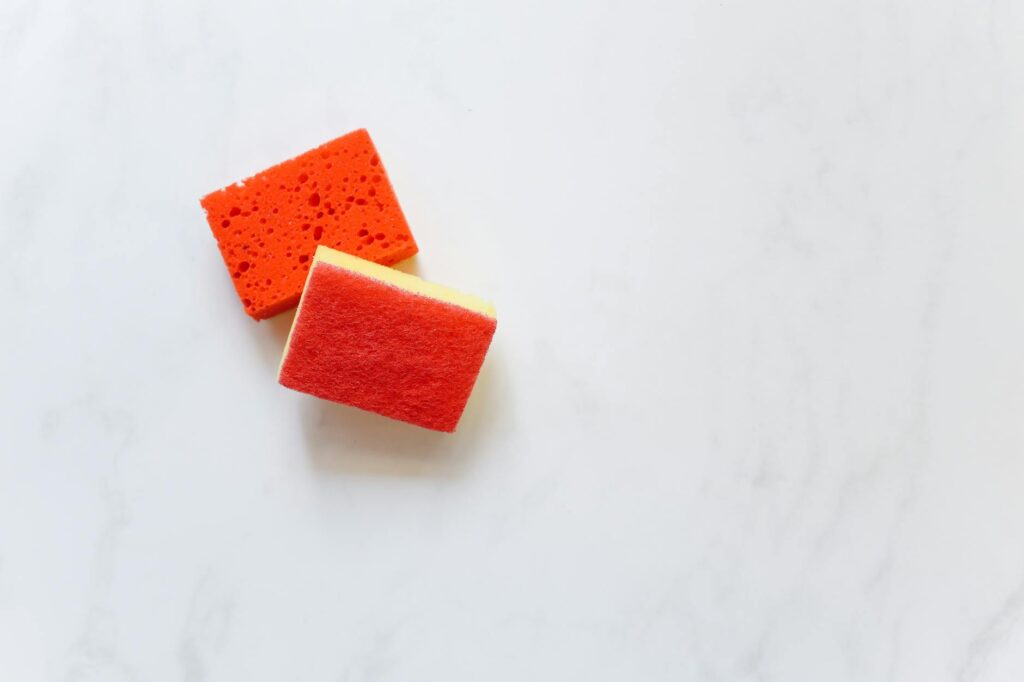
Kitchen Sponge Mildew Appliances Guide Part 1
Introduction
Kitchen sponges are a staple in every household, but they can quickly become a breeding ground for mildew if not cared for properly. This article aims to tackle the issue of kitchen sponge mildew and the appliances that can help you maintain a cleaner kitchen environment. We’ll delve into the causes, solutions, and preventive measures to ensure your sponges—and your kitchen—stay fresh and hygienic.
What Causes Appliances?
When discussing appliances in relation to kitchen sponge mildew, we’re referring to the tools and gadgets that can either contribute to or help eliminate bacteria and mildew from your sponges. Key appliances include:
- Dishwashers: These are often overlooked as a cleaning tool for sponges.
- Microwaves: A surprising yet effective appliance for sponge sanitization.
- Washing Machines: Some homeowners use these for deep cleaning sponges.
- Vinegar Soak: Soak the sponge in a mixture of equal parts water and white vinegar for 5-10 minutes, then rinse thoroughly.
- Baking Soda Scrub: Make a paste of baking soda and water, apply it to the sponge, and scrub. Rinse well afterward.
- Bleach Solution: Mix a tablespoon of bleach in a quart of water, soak for 5 minutes, and rinse thoroughly. (Note: This method should be used sparingly and not on colored sponges.)
Understanding how these appliances interact with your sponges is crucial for effective cleaning.
Why This Problem Happens
Kitchen sponges are designed to absorb moisture, which is essential for cleaning. However, this same property makes them susceptible to mildew. Several factors contribute to the growth of mildew on sponges:
1. Moisture: Sponges retain water, providing an ideal environment for bacteria and mildew.
2. Food Particles: Residual food can cling to sponges, serving as a food source for mold.
3. Temperature: Warm, humid conditions accelerate mildew growth, making kitchens a prime location.
4. Poor Storage: Storing sponges in closed or damp areas can trap moisture and foster mildew proliferation.
How to Fix Appliances (Step-by-Step)
Step 1: Clean Your Sponge
1. Rinse Thoroughly: Start by rinsing the sponge under hot water to remove any food particles.
2. Choose Your Appliance: Decide which appliance you’ll use for deep cleaning—dishwasher, microwave, or washing machine.
Step 2: Dishwasher Method
1. Load the Sponge: Place the sponge on the top rack of your dishwasher.
2. Add Detergent: Use your regular dishwasher detergent.
3. Run a Cycle: Select a hot wash cycle for optimal cleaning.
4. Dry: Once the cycle is complete, let the sponge air dry completely before use.
Step 3: Microwave Method
1. Wet the Sponge: Make sure the sponge is thoroughly wet; this prevents it from catching fire.
2. Place in Microwave: Put the sponge in a microwave-safe bowl.
3. Heat: Microwave on high for 1-2 minutes. Be cautious of steam when removing.
4. Dry: Allow it to cool and air dry.
Step 4: Washing Machine Method
1. Load with Towels: Place sponges in the washing machine with a load of towels for balance.
2. Select Cycle: Use a hot water cycle.
3. Add Detergent: Use your regular laundry detergent.
4. Dry: Allow sponges to air dry completely.
Best Cleaning Methods
While appliances can assist in cleaning your sponges, there are other effective methods:
Common Mistakes to Avoid
1. Neglecting to Clean Regularly: Sponges should be cleaned at least once a week to prevent mildew buildup.
2. Storing Sponges in Sealed Containers: This traps moisture and encourages mildew growth.
3. Using the Same Sponge for Everything: Designate sponges for specific tasks (e.g., one for dishes, another for surfaces) to minimize cross-contamination.
4. Ignoring Signs of Wear: Replace sponges every 2-4 weeks, as worn sponges are less effective and more prone to mildew.
Prevention Tips
1. Air Dry: Always squeeze out excess water and store sponges in a dry area.
2. Rotate Sponges: Use multiple sponges and rotate them to allow each to dry thoroughly.
3. Frequent Cleaning: Integrate sponge cleaning into your regular cleaning routine to keep mildew at bay.
4. Use a Sponge Holder: Consider a holder that allows the sponge to drain and dry properly.
Frequently Asked Questions
1. How often should I replace my kitchen sponge?
Replace your kitchen sponge every 2-4 weeks, or sooner if it smells or shows signs of wear.
2. Can I use bleach on my sponge?
Yes, but use bleach sparingly. A mixture of 1 tablespoon of bleach per quart of water can effectively sanitize sponges. Always rinse thoroughly afterward.
3. Is it safe to microwave my sponge?
Yes, as long as it’s wet. Heating a dry sponge can cause it to catch fire.
4. What’s the best way to store sponges?
Store sponges in a dry, well-ventilated area to prevent moisture buildup.
5. Can I wash my sponge in the dishwasher with other dishes?
Yes, but it’s best to place it on the top rack away from sharp utensils that could tear it.
6. Are there any sponges that resist mildew?
Some sponges are designed with antimicrobial properties that resist mildew growth, but they still require regular cleaning.
—
By understanding the role of appliances in cleaning kitchen sponges, you can effectively manage mildew and ensure a healthier kitchen environment. Stay tuned for Part 2, where we’ll explore advanced cleaning techniques and additional tips for maintaining your kitchen hygiene.