
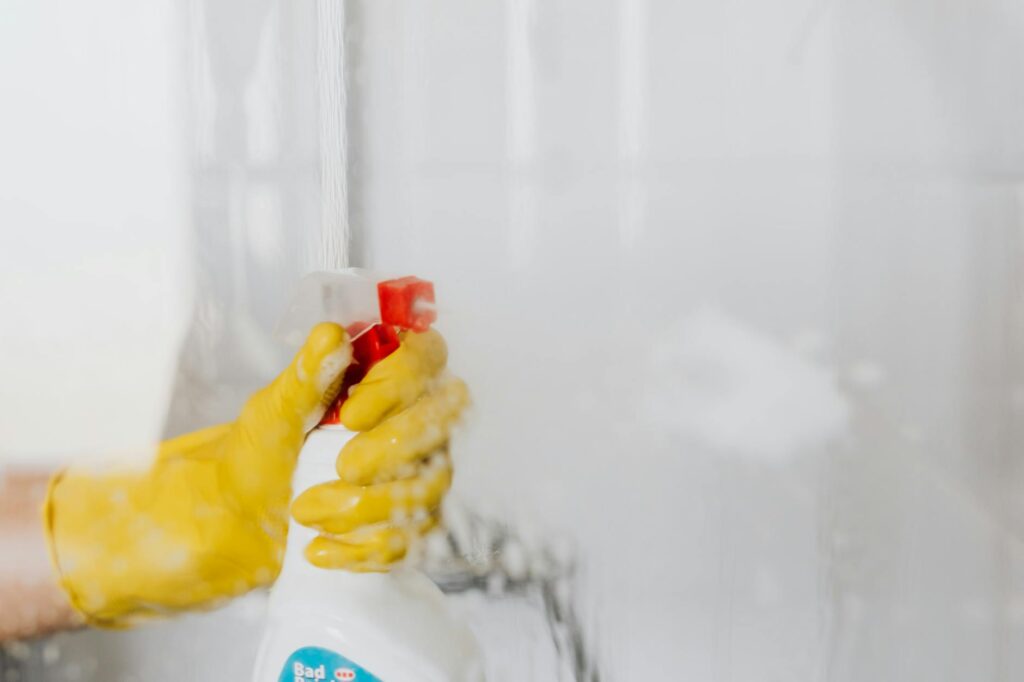
Kitchen Smell Removal Odours Guide Part 1
Introduction
A kitchen is the heart of the home, but it can quickly become a source of unpleasant odours. Whether it’s the lingering scent of yesterday’s dinner or the musty smell of forgotten leftovers, dealing with kitchen smells is a common challenge. This guide will help you identify the causes of these odours, explain why they occur, and provide practical solutions for removal and prevention.
What Causes Odours?
Kitchen odours can stem from a variety of sources:
1. Food Waste: Leftover food, especially organic matter, can decompose and emit foul smells.
2. Cooking: Strongly scented ingredients like garlic, onions, and spices can linger long after cooking.
3. Appliances: Refrigerators, dishwashers, and ovens can harbor food particles and spills, leading to unwanted smells.
4. Trash: Accumulated garbage can quickly become a significant source of odour.
5. Moisture: Dampness can lead to mould and mildew, which produce musty smells.
Why This Problem Happens
Understanding why these odours occur is crucial for effective removal:
1. Decomposition: Organic materials break down over time, releasing gases that create unpleasant smells.
2. Poor Ventilation: A lack of airflow can trap smells, making them more concentrated.
3. Neglected Areas: Hidden spaces in cabinets, under sinks, and behind appliances can accumulate food debris and moisture.
4. Old Spices: Expired spices and seasonings can create a rancid smell that permeates the kitchen.
How to Fix Odours (Step-by-Step)
Follow these steps for effective odour removal:
Step 1: Identify the Source
- Check the Trash: Empty any trash bins and inspect for food waste.
- Inspect Appliances: Look inside your refrigerator, oven, and dishwasher for spills or expired items.
- Look for Moisture: Check under sinks and in cabinets for signs of dampness or mould.
- Wipe Down Surfaces: Use a mixture of vinegar and water to clean countertops and tables.
- Clean Appliances: Remove all food and debris from inside your refrigerator and oven. Use baking soda and water for scrubbing.
- Wash Trash Bins: Rinse out trash cans with soap and water, then sprinkle baking soda inside to absorb future smells.
- Baking Soda: Place an open box in the refrigerator and sprinkle it in trash bins to neutralise odours.
- Vinegar: Fill a bowl with white vinegar and leave it in the kitchen overnight to absorb smells.
- Activated Charcoal: Use activated charcoal bags in cupboards and fridges to absorb excess moisture and odours.
- Open Windows: Let fresh air circulate by opening windows and doors.
- Use Fans: Turn on kitchen exhaust fans during cooking to help disperse strong smells.
- Vinegar and Water Solution: A simple mixture of equal parts vinegar and water can clean surfaces and neutralise odours.
- Baking Soda Paste: Mix baking soda with water to create a paste for scrubbing stubborn stains and odours.
- Essential Oils: Add a few drops of essential oils like lemon or lavender to your cleaning solution for a pleasant scent.
- Ventilation: Open windows and turn on exhaust fans.
- Baking Soda: Place bowls of baking soda around the room to absorb the smell.
- Vinegar: Simmer a mixture of water and vinegar on the stove to neutralise the odour.
- Check for expired or spoiled food items.
- Clean the fridge with a vinegar solution and replace the baking soda regularly.
- Clean the area thoroughly and dry it completely.
- Use a dehumidifier or moisture-absorbing products to reduce humidity.
- Aim for a deep clean at least once a week and wipe down surfaces daily.
- While they can create a pleasant aroma, it’s essential to address the underlying cause of the smell first before using essential oils for masking.
- After cooking, simmer vinegar and water on the stove to neutralise the smell. You can also place bowls of baking soda around the kitchen to absorb the odour.
Step 2: Clean Thoroughly
Step 3: Deodorise
Step 4: Ventilate
Best Cleaning Methods
Common Mistakes to Avoid
1. Ignoring Hidden Areas: Failing to clean behind and under appliances can allow odours to persist.
2. Overlooking Trash: Neglecting to regularly empty and clean trash cans can lead to recurring smells.
3. Using Strong Fragrances: Masking smells with air fresheners can often make the problem worse by mixing scents.
4. Not Regularly Cleaning Appliances: Appliances require regular maintenance to prevent odours from developing.
Prevention Tips
1. Clean Immediately: Wipe up spills and clean food debris right after cooking.
2. Use Lids: Cover food while cooking to prevent strong smells from spreading.
3. Store Food Properly: Use airtight containers for leftovers to limit exposure to air and moisture.
4. Regularly Empty Trash: Dispose of kitchen waste frequently to prevent build-up.
5. Check Expiration Dates: Regularly check and discard expired food items from the refrigerator and pantry.
Frequently Asked Questions
1. How do I get rid of a burnt smell in my kitchen?
2. Why does my refrigerator smell bad?
3. What can I do about a musty smell under the sink?
4. How often should I clean my kitchen to prevent smells?
5. Can I use essential oils to mask kitchen smells?
6. What is the best way to eliminate odours from cooking fish?
By following these steps and tips, you can effectively tackle kitchen odours and create a more pleasant cooking environment. Stay tuned for Part 2 of this guide, where we will explore more advanced techniques for maintaining a fresh-smelling kitchen.